

Long-delayed heritage center for Ethiopian Jewry launches in Jerusalem
Organizers say ‘better late than never,’ though it’ll still be at least 4 years before the facility opens
 Add ToI as a Preferred Source on Google
Melanie Lidman is an AP reporter and former Times of Israel reporter
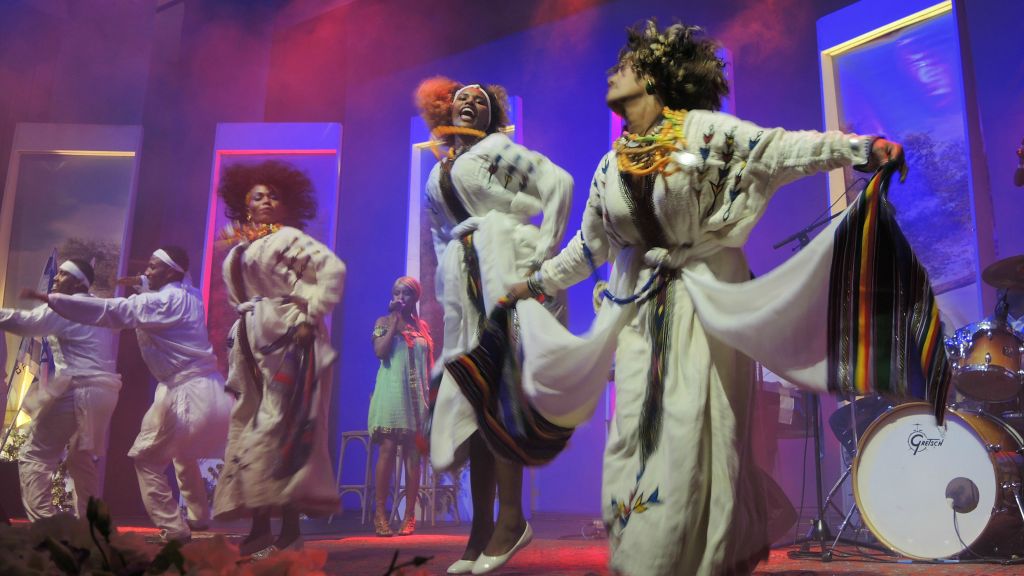
Four years after the government passed a law to establish the National Institute for Ethiopian Jewry Heritage Center, the newly formed board of the center on Sunday hosted a celebratory launch at the International Convention Center in Jerusalem.
The establishment of the institute marks the first time that the government has taken an active role in preserving Ethiopian Jewish culture and traditions. “This center is being created to share the incredible traditions of Ethiopian Jewry with the people in Israel and across the Jewish world,” said Dr. Simcha Getahune, the chair of the public committee for the center.
In a video message broadcast to the 2,000 attendees, Prime Minister Benjamin Netanyahu noted that the center would help preserve “traditions that were passed on orally, from grandfather to father and father to son.
“It will be a place to store historical knowledge and for children to learn the tradition and the culture,” he said.
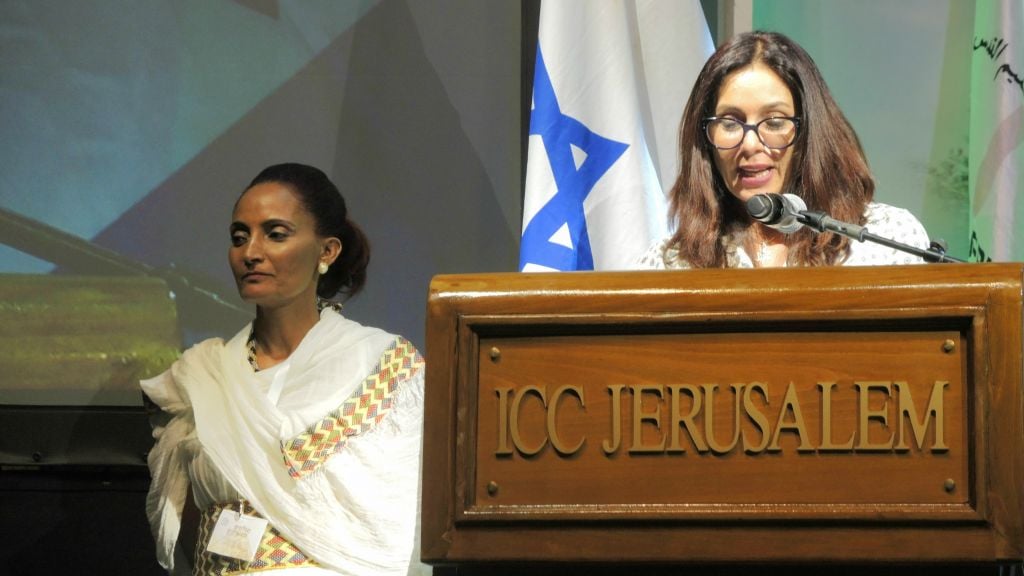
Culture and Sport Minister Miri Regev touched on the decades of discrimination that Ethiopian Jews have faced in Israel, after making some awkward comments about the beauty of Ethiopian women.
“This center is the government trying to implement a correction,” said Regev. “This community has fought for years for their rights, and for many years there was no way for this community to tell their own story. They were the victims of racism and discrimination, I feel personal responsibility to correct these wrongs.”
The event took place the day before the Chief Rabbinate announced it would not renew the contract of Ethiopian Chief Rabbi Yosef Hadane, reportedly due to his public criticism of the rabbinate over its discriminatory policies concerning Ethiopians, including demanding conversion certificates before marriage.
At Sunday’s celebration, Regev also applauded MK Avraham Neguise (Likud) for his efforts to bring 9,000 Falashmura to Israel. Falashmura are Ethiopian Jews who converted to Christianity generations ago and desperately want to move to Israel. Their aliyah was supposed to have begun in June but has not progressed.
“Equality must also come through cultural channels as well, and this is why government support is imperative,” said Regev. “There needs to be an Ethiopian theater just like there is Sephardi and Yiddish theater.”
The Ethiopian Heritage Center receives a yearly allotment from the government of a bit more than NIS three million ($777,000), according to the newly appointed CEO, Danny Adamsu. The HaBima theater, the national theater in Tel Aviv, receives at least NIS 20 million per year.
Adamsu said the organization is currently looking for a building in Jerusalem, and expects to open in about four years. The center will be a place for research as well as performance and rehearsal spaces.
He said the leadership committee for the center was focused on the future, rather than being frustrated that it took almost 30 years after the first wave of Ethiopian immigration for the government to start recognizing the importance of preserving these cultural traditions. “We need to bless what there is and go forward,” he said. “We all believe that it’s better late than never.”
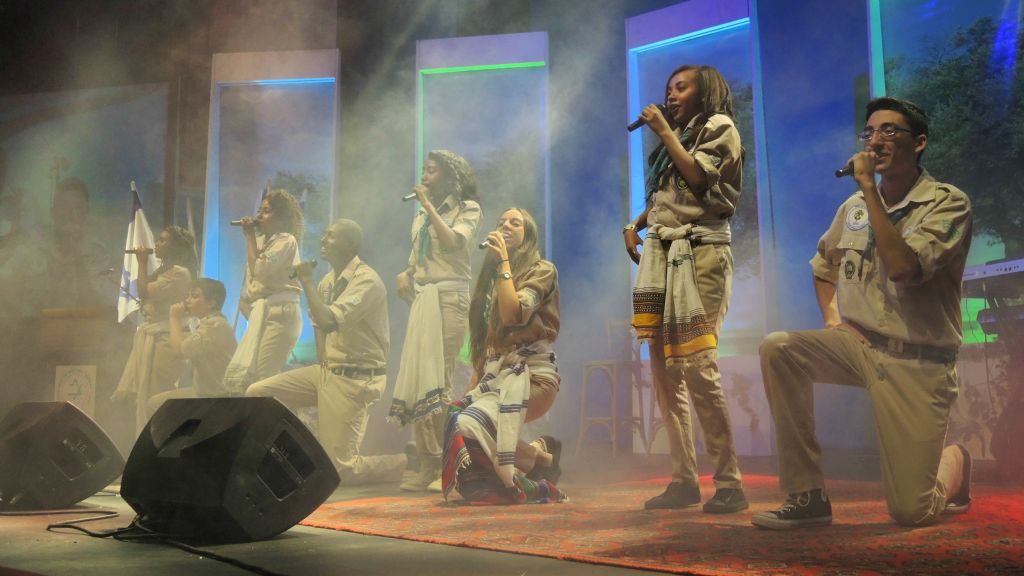
The celebratory kickoff of the event featured Ethiopian singers, dancers, actors, philosophers, politicians, rabbis, and teachers. Sharon Shalom, a professor at Bar-Ilan University and rabbi of a congregation in Kiryat Gat, addressed the tension within the Ethiopian community about honoring their identity, after decades of trying to assimilate into Israeli culture.
“After I published one of my books on Ethiopian Jewry, someone called me up and said, ‘You made a big error!’” Shalom recalled. “He said to me, ‘Why did you tell people that we should keep these Ethiopian Jewish traditions? We’ve made so much progress in the past 30 years!’ But in reality, in order to continue going forward, we must also look backwards.”








The Times of Israel Community.