

Rescued from Saddam, Iraqi Jewish archive finally on display
Some of the thousands of Jewish items recovered by US troops from a flooded Baghdad basement have been painstakingly restored for public display. But should they return to Iraq next year?
 Add ToI as a Preferred Source on Google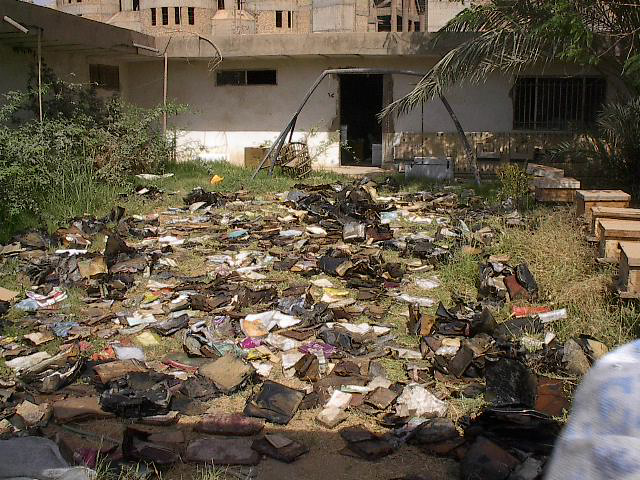
WASHINGTON — In May 2003, just days after American-led coalition forces ousted Saddam Hussein, a group of US soldiers from Mobile Exploitation Team Alpha were searching the headquarters of Saddam’s fearsome intelligence service for signs of nuclear, biological and chemical weapons. Submerged under four feet of water in the building’s basement, they instead happened upon five centuries’ worth of books and documents relating to Baghdad’s erstwhile Jewish community.
The thousands of waterlogged materials were quickly rescued and placed outside, but immediately began accumulating mold in Iraq’s powerful summer heat and humidity.
Within days, two of America’s top preservation specialists from the National Archives in Washington, DC arrived in Baghdad via military transport to assess the damage and come up with a plan to salvage the items, which included 2,700 books and tens of thousands of communal records in Hebrew, Arabic, Judeo-Arabic and English, dating from the 1540s to the 1970s.
Two months later, the National Archives signed an agreement with Iraq’s Coalition Provisional Authority allowing all of the material to be shipped to the US for preservation and exhibition, “under the condition that, following the restoration, the documents are returned to Iraq.”
More on this controversial clause in a moment.
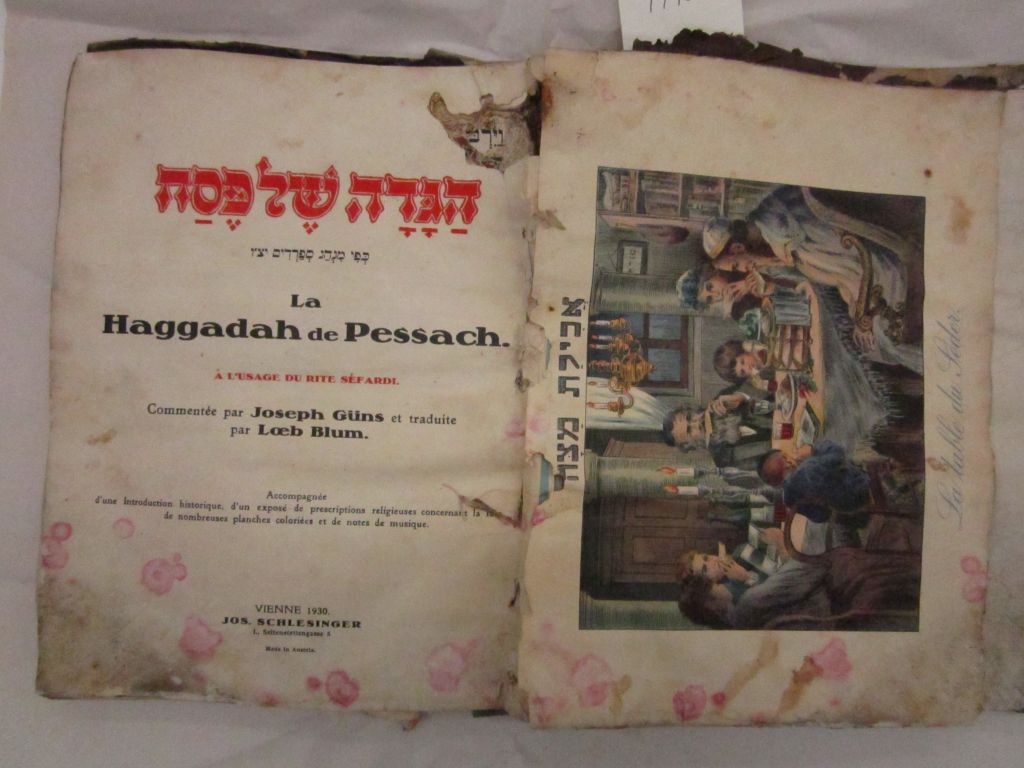
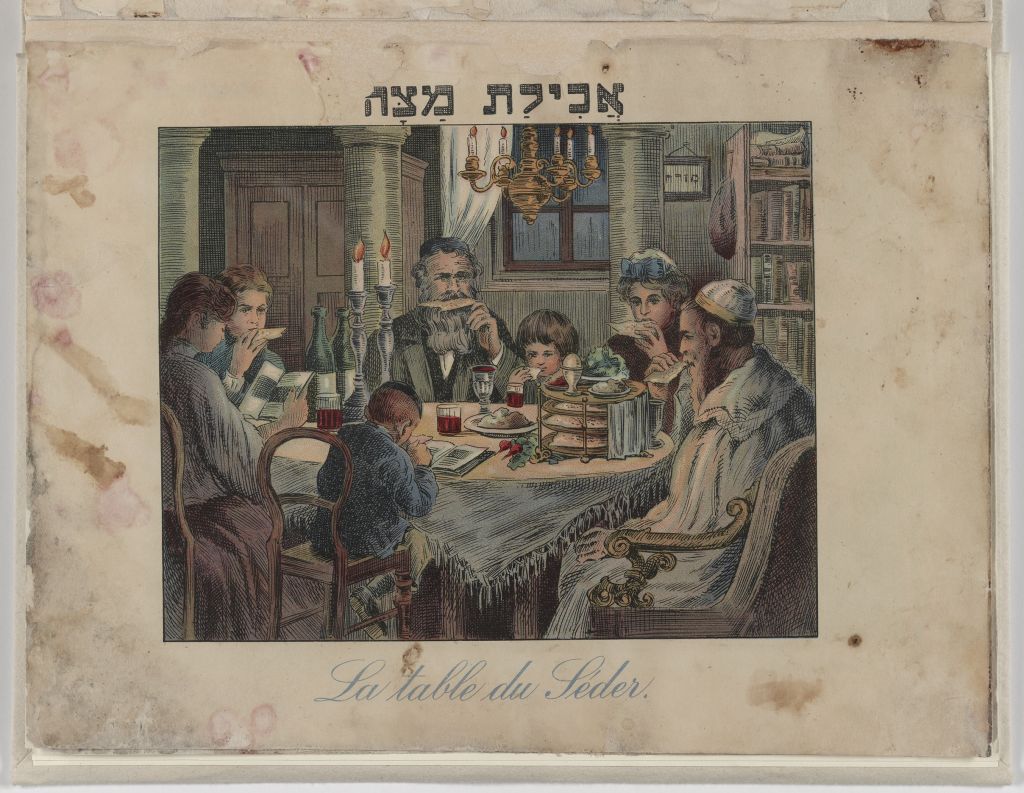
Since then, the treasures of what’s being called the “Iraqi Jewish Archive” have been vacuum-packed, freeze-dried, preserved and digitized under the direction of the National Archives, a research facility and museum in Washington, DC where visitors can see, among other things, original copies of the Magna Carta, US Constitution and Declaration of Independence.
[WATCH a video explaining the process of saving and preserving the materials in the Iraqi Jewish Archive Conservation Laboratory]
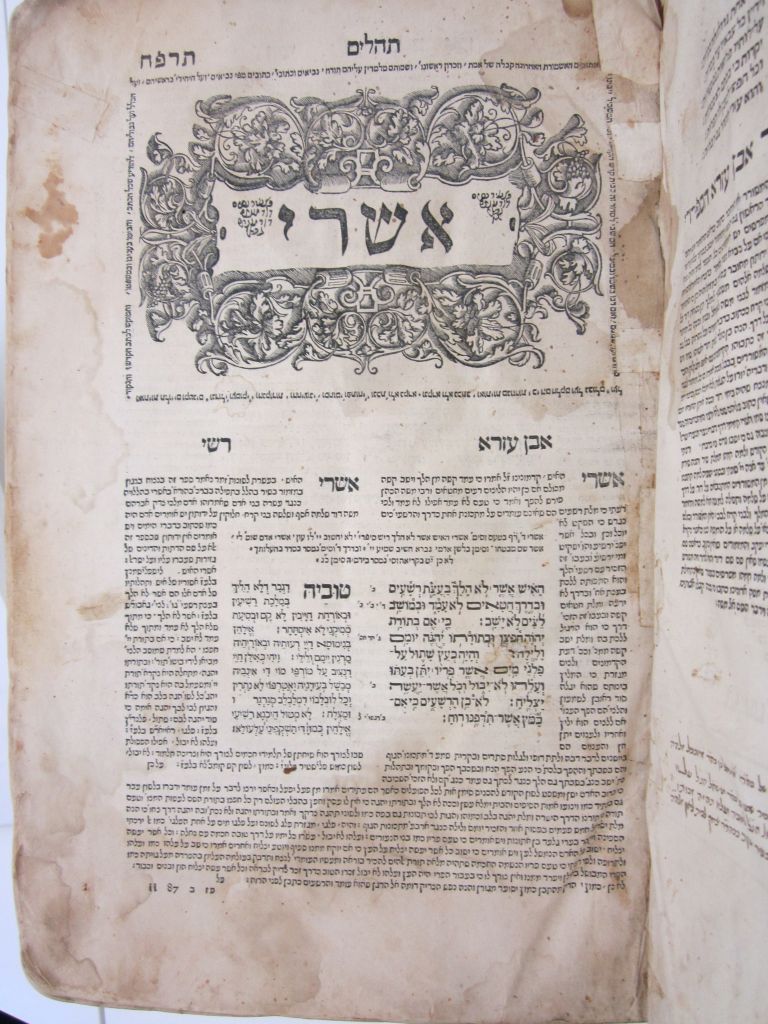
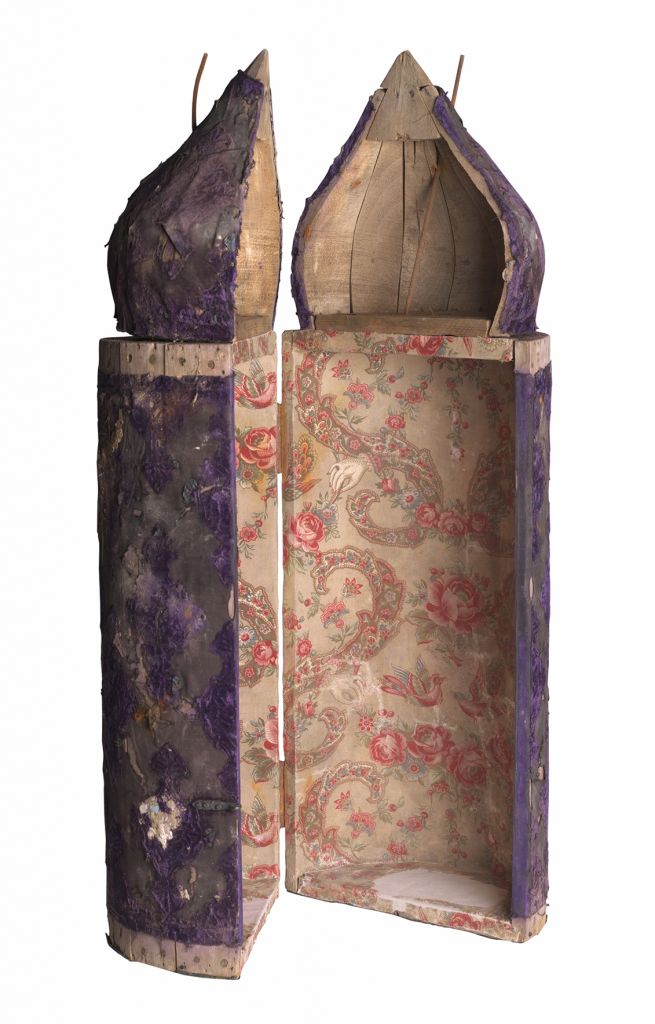
This week, a full decade after their discovery, two dozen items from the Iraqi Jewish Archive are on public display for the first time at the National Archives in an exhibition called, “Discovery and Recovery: Preserving Iraqi Jewish Heritage.”
Highlights of the exhibit include:
- A Hebrew Bible with Commentaries from 1568
- A Babylonian Talmud from 1793
- A Torah scroll fragment from Genesis
- A Zohar (book of mysticism) from 1815
- A Passover Haggadah from 1902 handwritten and decorated by an Iraqi Jewish youth
- An official 1918 letter to the chief rabbi regarding the allotment of sheep for Rosh Hashanah
- Materials from Baghdad Jewish schools, including exam grades and a letter to the College Entrance Exam Board in Princeton regarding SAT scores; and
- A lunar calendar in Hebrew and Arabic from 1972-73, one of the last examples of Hebrew items produced in Baghdad
[WATCH a video showing how the Iraqi Jewish Archive Imaging Lab digitizes the documents recovered from Baghdad]
In both English and Arabic, the exhibit takes up 2,000 square feet of space and will be on view until at least January 2014. It was originally scheduled to launch in October, but was delayed by the federal government shutdown.
The tragic end of a once-vibrant community
Iraqi Jews are not Sephardim (Spanish). Most of their ancestors never set foot in Spain. Rather, the community is believed to reach all the way back to the 8th Century BCE, when an Assyrian army conquered the ten northern tribes of Israel and forcibly transferred a portion of the population to what is now Iraq.
‘By the rivers of Babylon, there we sat down, we wept when we remembered Zion’ (Psalm 137)
Less than two hundred years later, the Babylonians sacked Jerusalem and destroyed Solomon’s Temple, sending more exiles to the rivers of Babylon, “where we sat down, we wept when we remembered Zion” (Psalm 137).
Even though the community was granted permission to return seventy years later, many stayed, setting down roots in what was to become one of the largest, most influential and longest lasting Jewish communities in history.
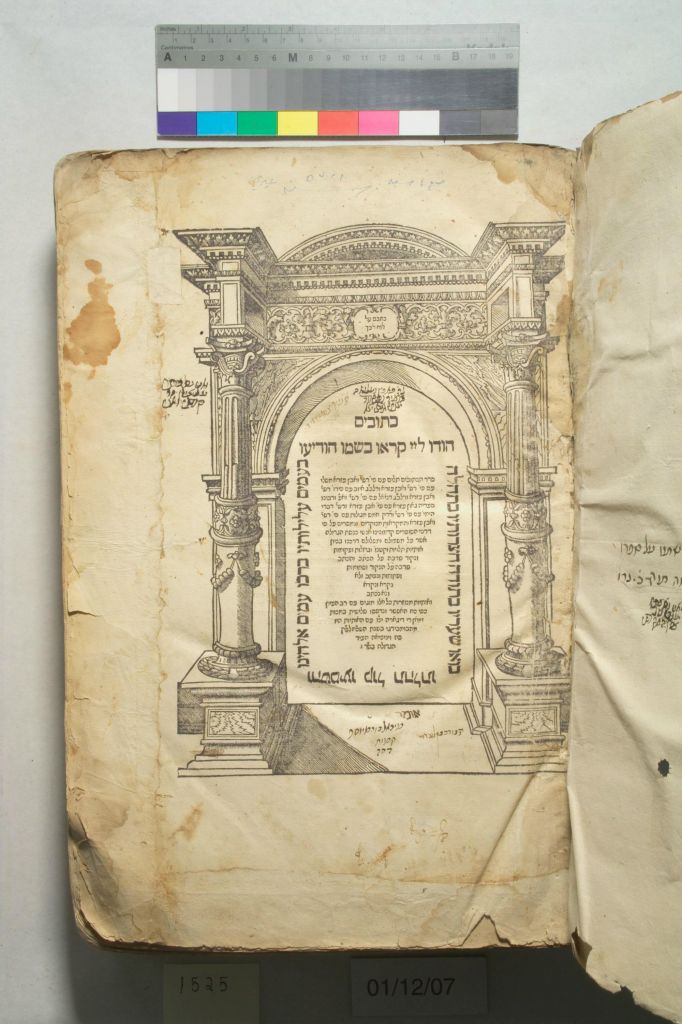
Over the centuries, the Babylonian/Iraqi Jewish community served as the material and spiritual focal point of the Diaspora. It produced the Talmud, arranged the Jewish calendar and set up a highly organized network of educational, cultural and religious institutions. By the turn of the 20th Century, there were an estimated 50,000 Jews in Baghdad, about one in every four citizens.
But by the 1970s, Iraqi Jewry had all but vanished. After 2,700 years, the once-thriving community could not overcome the violence and persecution of the 20th Century.
After a series of pogroms, expulsions, economic restrictions and other forms of harassment, the final straw occurred in 1968, when dozens of people were jailed upon the discovery of a “spy ring” composed of predominantly Jewish businessmen. Fourteen men, 11 of them Jews, were sentenced to death in show trials and hung from public squares in Baghdad. An estimated 500,000 of the city’s residents turned out to cheer the hangings, chanting “Death to Israel.”
Following international pressure, the Iraqi government allowed most of the remaining Jews to quietly emigrate in the 1970s. Today, there are less than 10 Jews in Iraq.
By the 1970s, Iraqi Jewry had all but vanished
Against this troubling backdrop, the prospect of the Iraqi Jewish Archive returning to Baghdad has ignited anger in the American Jewish community.
Harold Rhode, an expert on Islamic affairs at the US Defense Department who led the discovery team in 2003, said he is “horrified” to think that the material will be returned to Baghdad.
“[These items] were stolen by the government of Iraq from the Jewish community,” he told The Jewish Week. Returning it, he said, “would be comparable to the US returning to the German government Jewish property that had been looted by the Nazis.”
Sephardic and Iraqi Jewish organizations are campaigning to keep the archive in the US. Michael Salberg, international affairs director of the Anti-Defamation League (ADL), has thrown his group’s weight behind the effort. And several American lawmakers are urging the administration not to return the materials.
‘These sacred artifacts were taken from the Iraqi Jewish community and thus do not belong to the Iraqi government’
“These sacred artifacts were taken from the Iraqi Jewish community and thus do not belong to the Iraqi government,” Senator Charles Schumer (D-NY) told the New York Daily News. In the House of Representatives, Ileana Ros-Lehtinen (R-FL) and Democrat Steve Israel (D-NY) are collecting signatures urging the State Department to amend or nullify the agreement.
For its part, the Obama administration is sticking by the agreement, arguing that it expressly states that the collection will be returned to Iraq upon completion of the preservation and exhibition.
An online petition urging the US government to keep the Iraqi Jewish archive has, at the time of this writing, about 8,000 signatures.










The Times of Israel Community.