

 From the Liveblog of
Monday, December 1, 2025
From the Liveblog of
Monday, December 1, 2025
‘You’re an animal’: Ex-hostage Alon Ohel says he was chained for year and a half, starved
 Add ToI as a Preferred Source on Google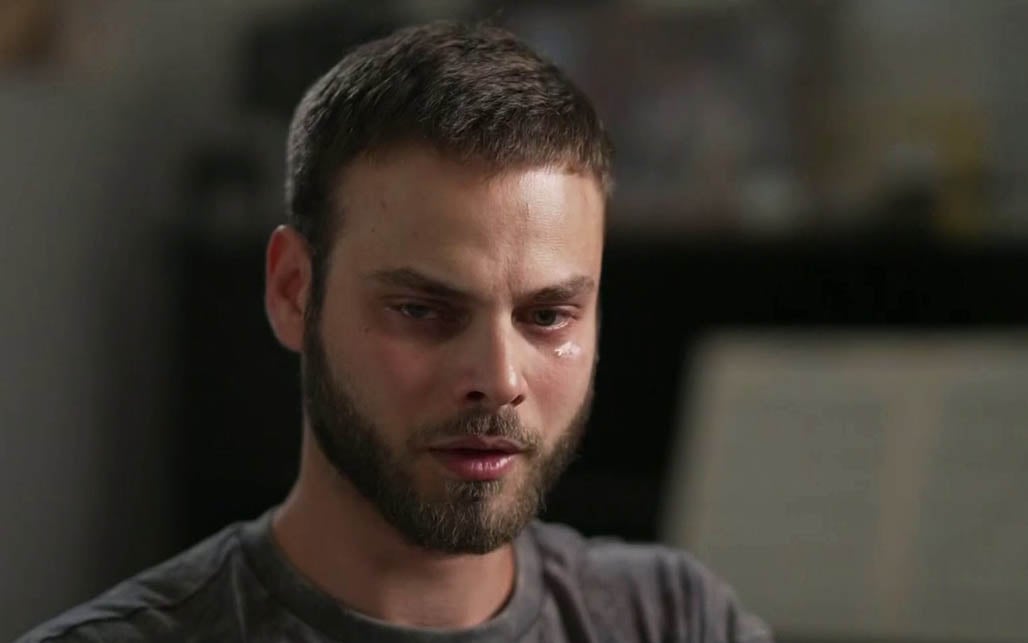
Alon Ohel, who was held captive by terrorists in Gaza for more than two years following the Hamas-led October 7, 2023, attack, tells Channel 12 that his legs were chained for a year and a half and that he and his fellow captives were intentionally starved.
“They take your freedom of movement, put chains on your legs,” he says.
In his first lengthy interview since being released, along with 19 other surviving hostages, on October 13, Ohel, 24, tells the network he was treated “like a monkey.”
“I would eat like a dog,” he says. “You’re not a person, you’re an animal.”
He adds, “Even in prison, there’s a system. I wasn’t in prison, I was in captivity. They’re crazy people. If you’re not strong mentally, you can go crazy.”
He added that his captors chose to starve them, even as he and his fellow hostages knew that those holding them had food. He said that at one point, all he was allowed to eat was dried dates, and that he appeared skeletal at times.
“You get used to starvation, to pains in your body all the time,” he says, adding that he spent “hours lying like a corpse.”
He says that he felt strengthened when he saw footage of Israeli protests calling for him and the other captives to be freed. He adds that Eli Sharabi, another hostage who was held with him until being released in a previous ceasefire earlier this year, became a father figure.
“We connected from the first moment,” he said. “There was this click, I can’t explain it.”
During one moment of frustration, he recounted how Sharabi hugged him and “it was the hug of a father, because the longing kills you, it’s so hard.”
“He carried me on his back many times,” Ohel adds.
Sharabi was a husband and father to two. His wife and children were murdered in the October 7 attack, which he learned only after his release.
“Eli would say to break is OK, to fall apart, to cry, but never lose hope,” Ohel says.
Ohel adds that he made a conscious choice to stay alive, and would speak to his mother at night.
“I would talk to her at night, yeah,” he said. “‘Everything’s okay, I’m alive,’ I would say it like that, out loud. I knew that’s what I needed to do, to talk to my mom, so she would maybe feel me, maybe.”
He adds, “My story really begins when I chose life. I had a choice at any given moment to take myself and give up, and I chose not to.”




The Times of Israel Community.