

Pop-up chefs bring guerrilla gourmet to Tel Aviv
A number of disposable eateries are springing up in the White City, taking shape in galleries, inside markets and on rooftops
 Add ToI as a Preferred Source on Google
Debra writes for the JTA, and is a former features writer for The Times of Israel.
It’s a hot evening in Jaffa, and down one of the neighborhood’s smoky back alleys, far removed from the light-flooded tourist thoroughfares near its clock tower and flea market, a cluster of well-heeled Tel Avivians wait patiently in line to hear their names called.
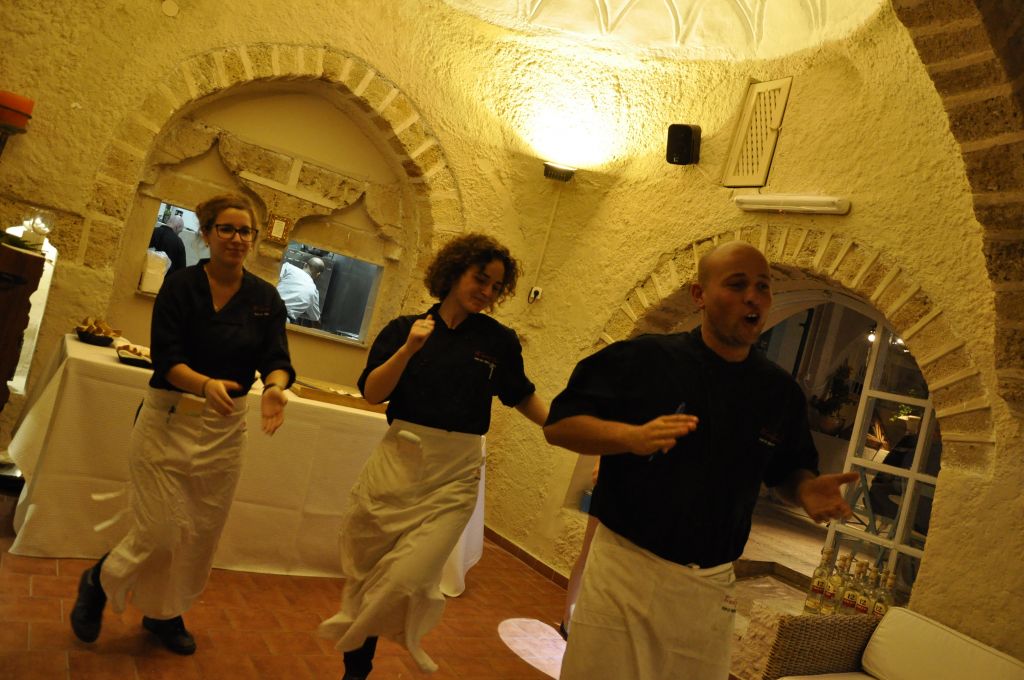
The crowd, which will grow to some 250 hungry hipsters, all received text messages a few hours earlier listing the address of the spot, which turns out to be a gold-hued gallery space that has been transformed into a dining room for one night only. It’s all the handiwork of Chef Uri Levy, a private events caterer who is convinced that the concept of a pop-up restaurant can survive in Israel.
His restaurant is called The Secret Place, and it appears for a single evening once a month in a new location, revealed only to a select number of guests and then disappearing nearly as quickly as it materialized. It’s guerrilla gourmet, a form of extreme eating that has flourished in cities like New York and London but is still unknown to these parts. And the response, Levy says, has been fantastic.
“It’s not for everybody,” Levy says of his concept, in which diners pay around NIS 250 ($70) for a five-course catered meal, before drinks. The menu is fixed and not disclosed before the event, meaning The Secret Place’s guests are entirely subject to Levy’s whims. “It’s not like anything else. If people come to see the food and think they are coming to three-star Michelin restaurant, it’s wrong. They are coming to get great food, but with something else,” he says.
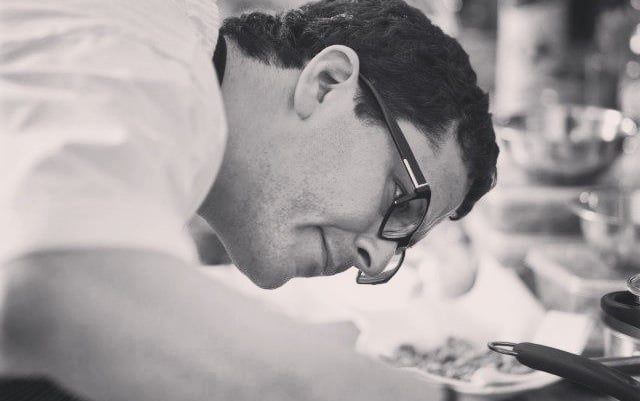
Guests have been clamoring to sign up, however, sent Levy’s way via word of mouth and The Secret Place’s Facebook page. The costs of setting up and then dismantling an entire kitchen and dining room in one night are sky-high, Levy says, implying that despite the hefty price tag of a Secret Place meal, he isn’t making much money from it. But the events are the highlight of his month, and he loves them.
“My money comes from private events and advising I give to restaurants,” he says. “For me, these events are just fun. And we need do something different here in Israel. I’m looking to influence, to make a change. People want things that are out of the box.”
Sometimes Levy sees an interesting space and builds a menu around it, and other times he has an idea for a dinner and seeks out just the right location in which to stage it. At the most recent Secret Place dinner, held on a roof with a view of the Mediterranean Sea, the energy reminded him of Greece, so he planned a meal heavy on yogurt, pistachios and fresh fish. He hired a Greek singer, and he and his staff got into the act by cheering and breaking plates in front of the guests.
“It’s like a concert in my head,” he says of his constant ideas. “It’s not just a dinner. I am opening a restaurant for one day.”
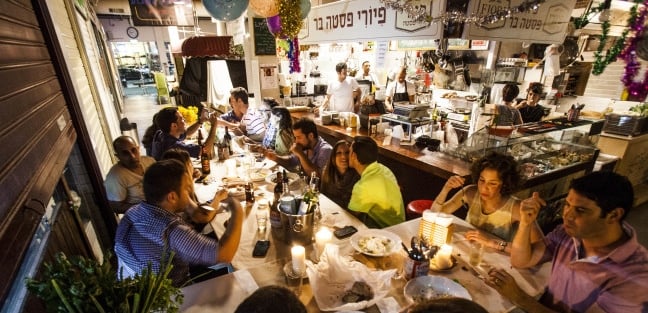
Levy’s take on the concept may be the most extreme, but he’s not the only one in Israel getting in on the idea of a pop-up restaurant. EatWith, a Tel-Aviv based start-up that arranges tourist dinners in locals’ homes in cities around the globe, has recently expanded its options to include two Tel Aviv pop-ups of its own.
The first, hosted by Chef Aran Brender, is a pop-up picnic for NIS 155 ($44) where guests are treated to a basket of surprise goodies. Each event takes place in a different Tel Aviv location, and the fare is never the same. The second, hosted by chef couple Oren and Michal Goldvasser, transforms the market at the Tel Aviv Port for an after-hours culinary celebration, with a menu based entirely on what was fresh and available that morning.
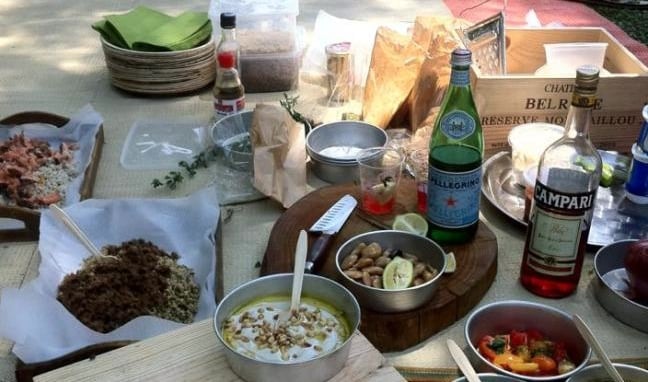
“EatWith centers around the idea that you are going into someone’s house and you’re having intimate dining experiences,” says international manager Andrea Rosen. “But we also wanted to provide an intimate dining experience, except in a new way. So while we don’t allow restaurants, [the pop-ups] are a different story.”
Not every pop-up in Israel has been a success. While Levy markets his as private events and EatWith manages to license its picnics and market dinners through its broader company, smaller pop-ups, without legal recourse, have been shut down. In August, Yishkon Club 38, a tiny space inside Shuk HaCarmel that offered live music, drinks and a rotating, secret menu based on visiting chefs, was shuttered by the local police for lacking the necessary business license.
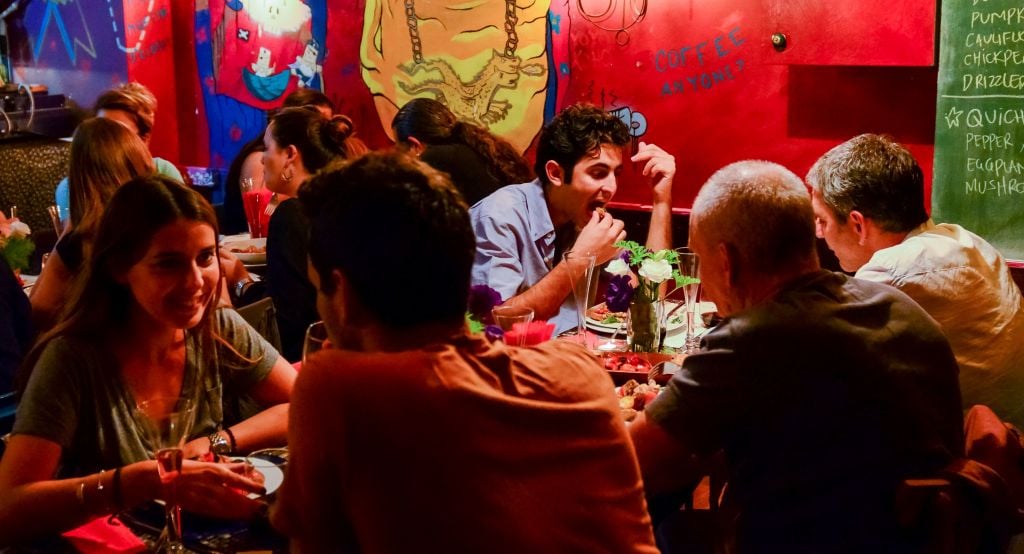
For established venues, however, a pop-up night or after-hours event can be just the ticket to shake things up, draw a new crowd or even allow a tired staff to try new things. Café Xoho in Tel Aviv, a beloved local hangout known for its vegetarian menu and homebaked pastries, has recently started a series of pop-up dinner nights.
The first, which launched just this month, was a pasta night to celebrate the inclusion of pasta dishes, by Papa G pasta, on Xoho’s regular menu. Later events will offer price-fixe menus, Mexican dishes, and more, says Xoho head chef and kitchen manager Zoe Komarin.
For a tiny spot that thrives on its loyal regulars, Komarin says, pop-up dinners that transform the café into a more upscale eatery are a way to give back to Xoho’s most beloved patrons.
“For the most part, we don’t experiment so much in the day-to-day because we need to offer our customers the basics,” Komarin says. “But when we do a special event and we know how many people are coming, we can really splurge and spoil them.”
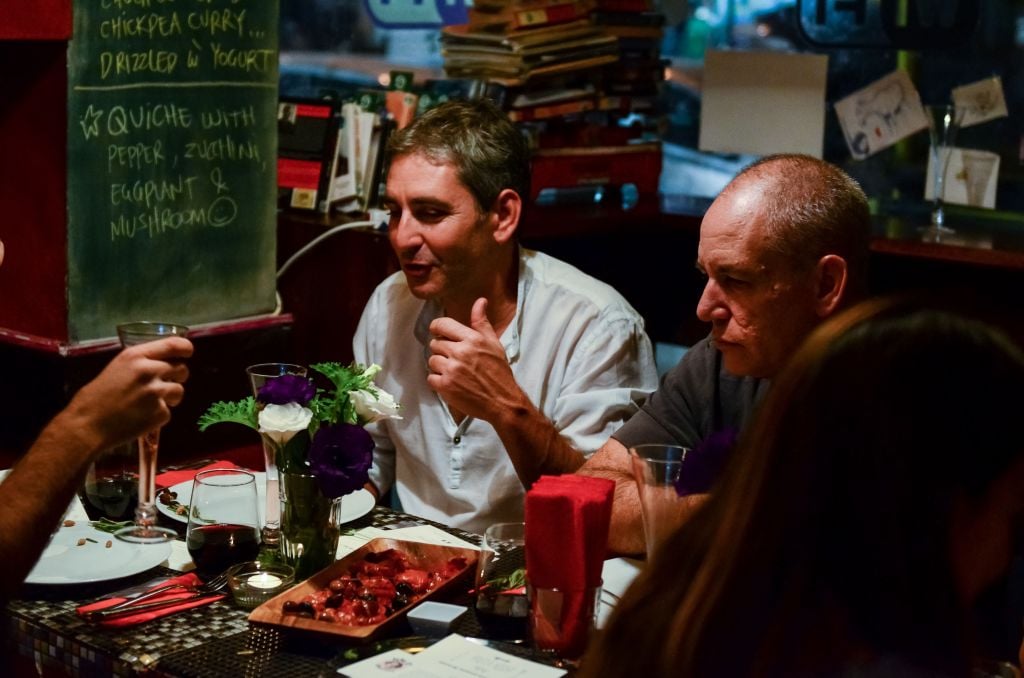
Attendance for Xoho’s pop-up dinners are currently by invite only, and meant for those in the inner circle of the Xoho community. “Once we get it going, we’ll open it up to the public,” says Komarin, “but the idea is really to give something special to our Xoho family.”
Pop-up dinners serve another purpose for Xoho as well, pampering not just the customers but also the staff. “My repertoire is a lot bigger than what we’re able to do here, since we’re a vegetarian café,” says Komarin, who is self-trained and grew up in New York. “It’s also giving me a chance to branch out. I’ve been doing the sandwiches and salads for a long time.”









The Times of Israel Community.