

Trump threatens Iran’s oil infrastructure after US bombs military sites on key fuel island
US president warms he’ll ‘wipe out’ infrastructure at Kharg island oil export hub if Tehran blocks Hormuz Strait, says US navy will ‘very soon’ start escorting tankers
 Add ToI as a Preferred Source on Google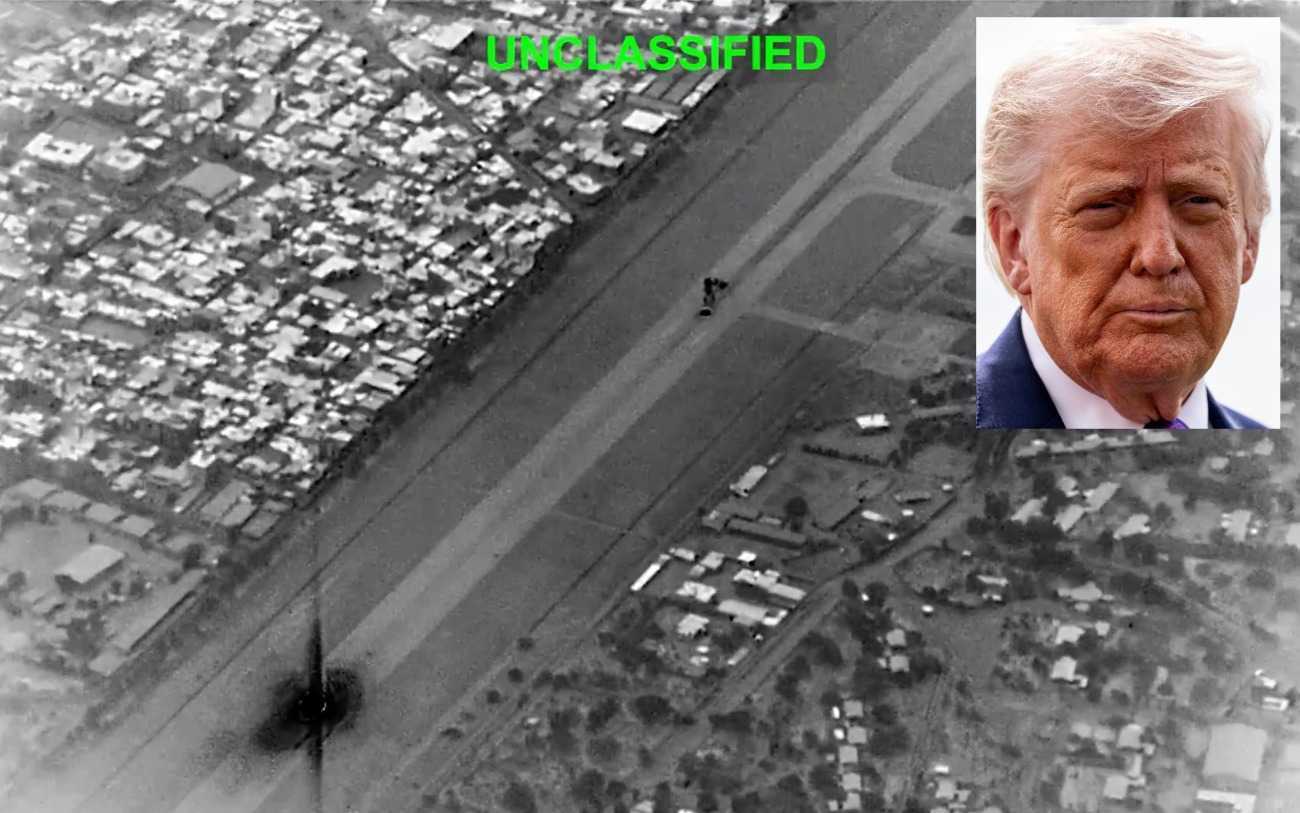
US President Donald Trump has said the US “obliterated” military targets on Iran’s key Kharg Island oil shipping hub, and threatened the US would “wipe out” oil infrastructure there should the Islamic Republic impede maritime traffic in the Strait of Hormuz.
Trump also said the US would start escorting vessels through the strait — the world’s most vital waterway for oil shipments — to protect them from Iranian attacks. Washington was also set to reinforce its presence in the Middle East with Marine forces specializing in amphibious landings.
Meanwhile, the US offered a reward of up to $10 million for information about senior Iranian military and intelligence officials, including Supreme Leader Mojtaba Khamenei, the son and successor of Ali Khamenei, who was killed at the start of the US-Israeli bombing campaign on February 28.
The start of the bombing campaign followed a massive US military buildup in the region, and repeated threats by Trump to strike Iran, first over its brutal crackdown on anti-regime protesters in January and more recently over its nuclear program.
Iran has responded with missile and drone strikes across the region, as well as by threatening shipping in the Strait of Hormuz, bringing traffic to a virtual standstill in that Persian Gulf waterway that had previously carried roughly a fifth of the world’s traded oil.
The strait’s closure, and other disruptions to energy infrastructure in the region, have triggered oil price hikes, which the Trump administration seeks to counter.
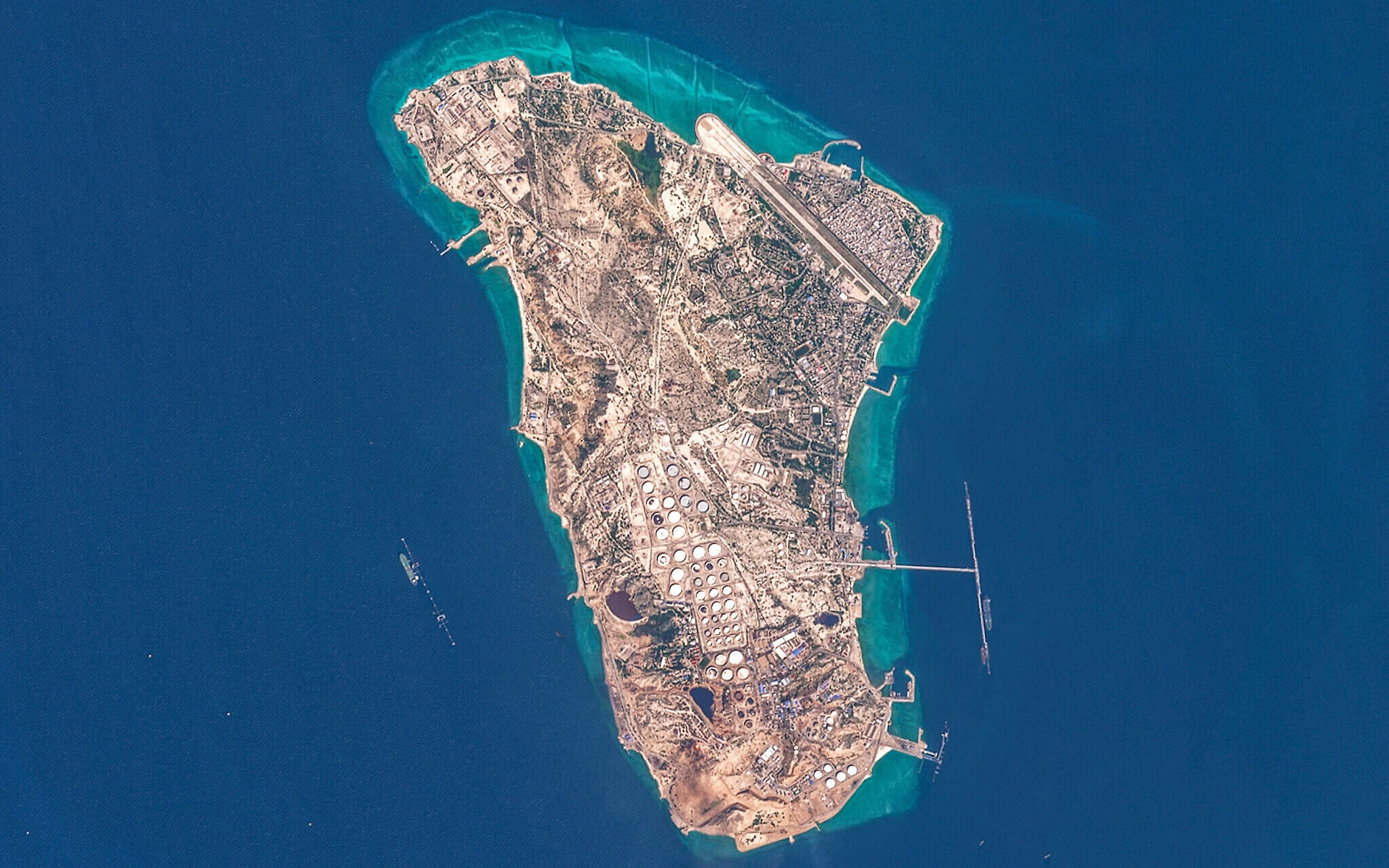
Writing on his Truth Social platform early Saturday, Trump said US forces “totally obliterated every MILITARY target in Iran’s crown jewel, Kharg Island.”
Last night, U.S. forces executed a large-scale precision strike on Kharg Island, Iran. The strike destroyed naval mine storage facilities, missile storage bunkers, and multiple other military sites. U.S. forces successfully struck more than 90 Iranian military targets on Kharg… pic.twitter.com/2X1glD4Flt
— U.S. Central Command (@CENTCOM) March 14, 2026
The island, which lies about 30 kilometers (19 miles) off the Iranian mainland and 500 kilometers (300 miles) northwest of the Strait of Hormuz, is the export terminal for 90% of Iran’s oil shipments.
“For reasons of decency, I have chosen NOT to wipe out the Oil Infrastructure on the Island,” said Trump. “However, should Iran, or anyone else, do anything to interfere with the free and safe passage of ships through the Strait of Hormuz, I will immediately reconsider this decision.”
The statement came after the Trump administration expressed dissatisfaction with Israel’s first-ever strikes on Iranian oil infrastructure in Tehran last week.
Trump in his Truth Social post claimed Iran has “nothing” to do about the US attacks, and urged Iranian armed forces to surrender.
“Iran has NO ability to defend anything that we want to attack — There is nothing they can do about it!” he said. “Iran will NEVER have a nuclear weapon, nor will it have the ability to threaten the United States of America, the Middle East or, for that matter, the world!”
“Iran’s Military, and all others involved with this Terrorist Regime, would be wise to lay down their arms, and save what’s left of their country, which isn’t much!” he added.
He later posted: “The Fake News Media hates to report how well the United States Military has done against Iran, which is totally defeated and wants a deal — But not a deal that I would accept!”
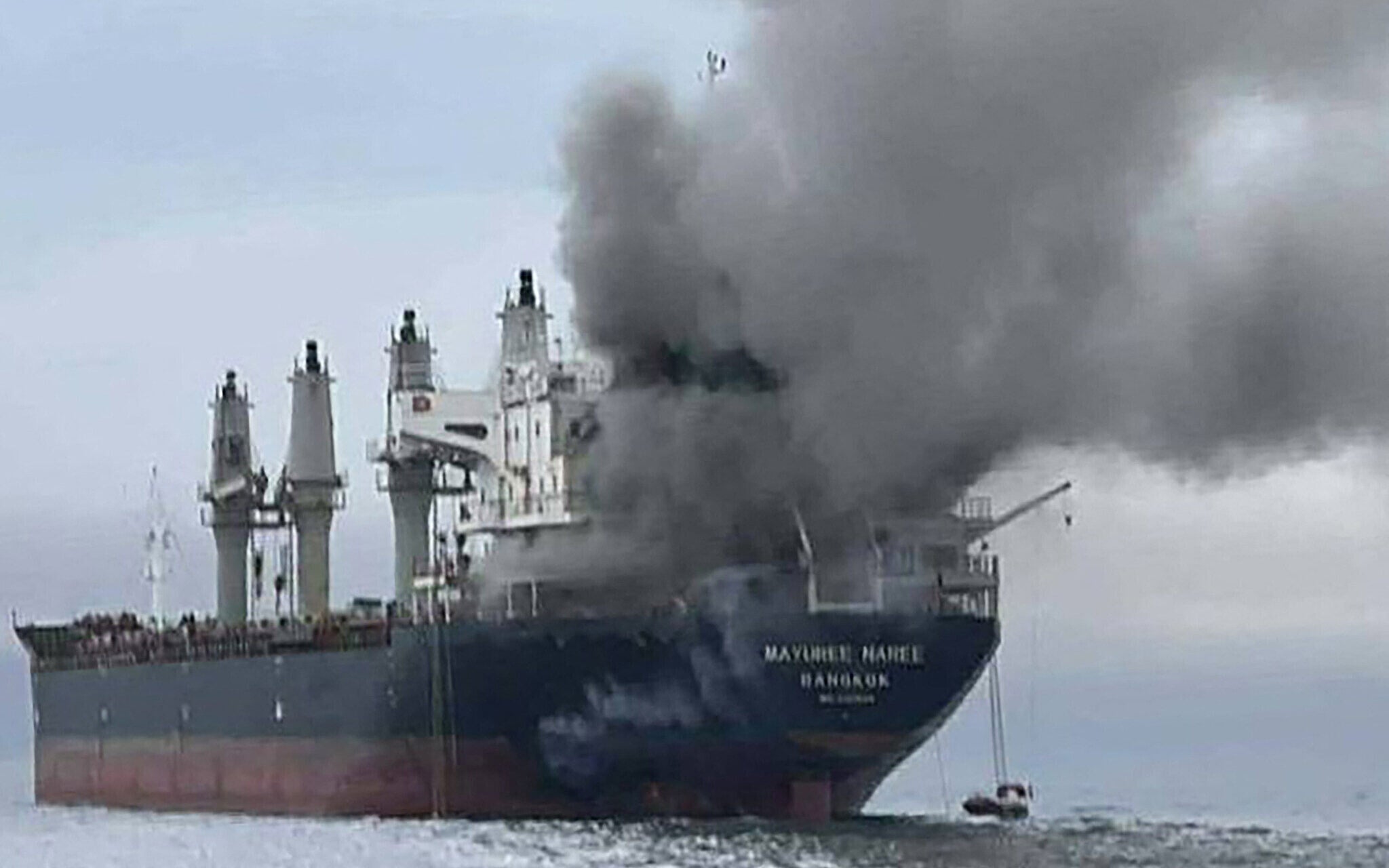
According to Iran’s semi-official Fars news agency, more than 15 explosions were heard on the island during the US attacks. Sources cited by the outlet said air defenses, a naval base and airport facilities were hit, but there was no damage to oil infrastructure.
Responding to the US attack on Kharg Island, Iran’s armed forces said any strike on their country’s oil and energy infrastructure would lead to strikes on facilities owned by oil companies cooperating with the United States in the region, Iranian media reported.
Asked in an earlier interview if he would seize Kharg Island, Trump said it was “not high on the list” but that he could “change my mind in seconds.”
He heaped scorn on the question, which was asked in a Fox News Radio interview recorded on Thursday and aired Friday.
“Who’d ask a question like that, and what fool would answer it?” he said. “Let’s say I was going to do it or let’s say I wasn’t going to do it, why would I tell you?”
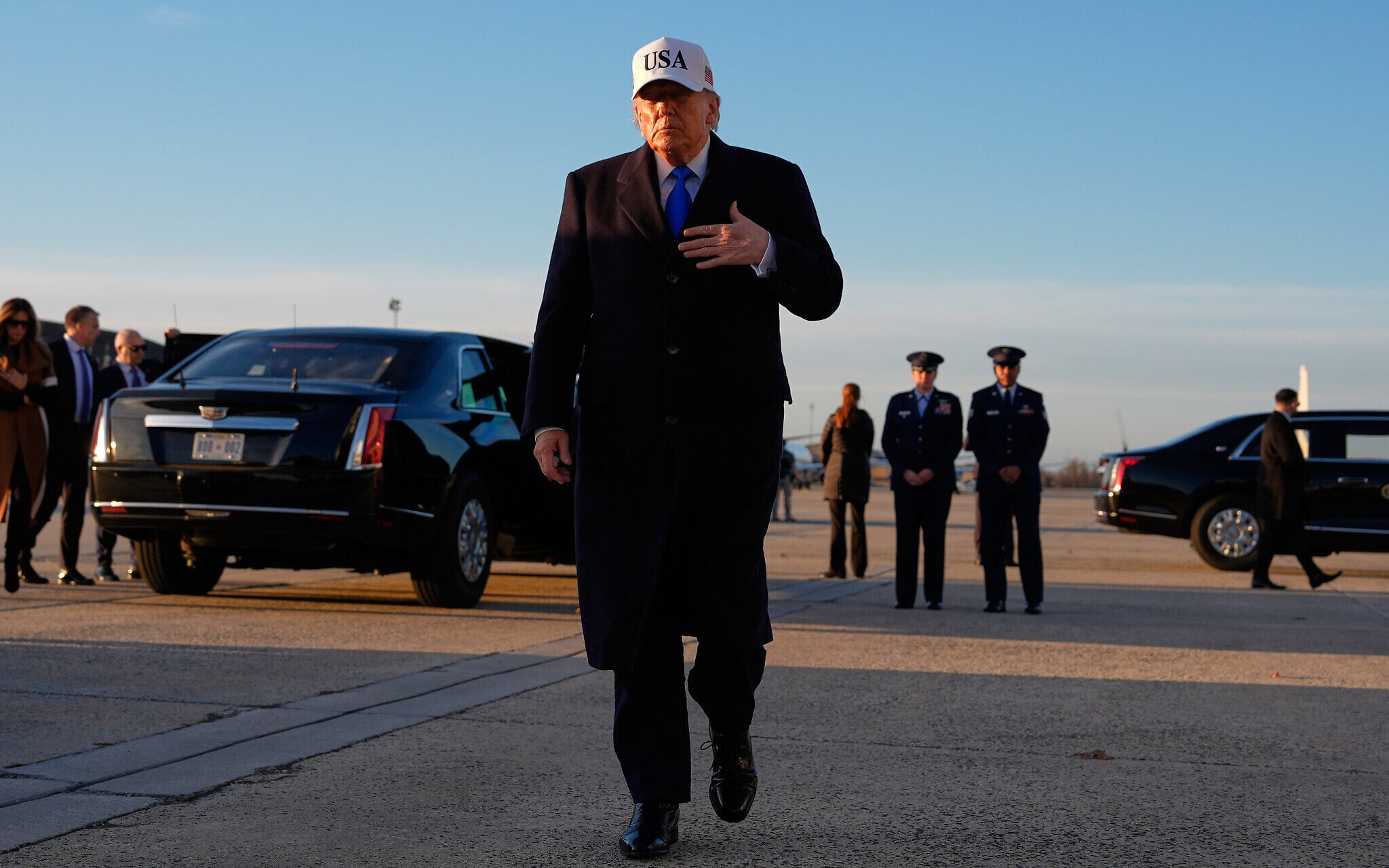
Separately, when asked by a reporter at Maryland’s Joint Base Andrews when the US would start escorting oil tankers through the Strait of Hormuz, Trump responded: “It will happen soon.”
He was also asked whether the US and Israel had divergent views about when to end the fighting.
“Well, they might be a little different, I guess, they are a different country than we are,” Trump said.
US amphibious forces en route to Middle East, says official
Alongside Trump’s threats to expand the war to Iran’s oil infrastructure, the US was also further bolstering forces in the Middle East, with the deployment of additional Marines to the area.
Elements from the 31st Marine Expeditionary Unit (MEU) and the amphibious assault ship USS Tripoli have been ordered to the Middle East, according to the US official, who spoke to The Associated Press on condition of anonymity to discuss sensitive military plans.
Marine Expeditionary Units are able to conduct amphibious landings, but they also specialize in bolstering security at embassies, evacuating civilians and disaster relief. The deployment does not necessarily indicate that a ground operation is imminent or will take place.
The new Marine deployment was first reported by The Wall Street Journal. Two unnamed US officials cited by ABC News had also said some 2,200 MEU troops were being sent to the Middle East on three. navy ships.
The 31st MEU, as well as the Tripoli and other amphibious assault ships carrying the Marines, are based in Japan and have been in the Pacific Ocean for several days, according to images released by the military.
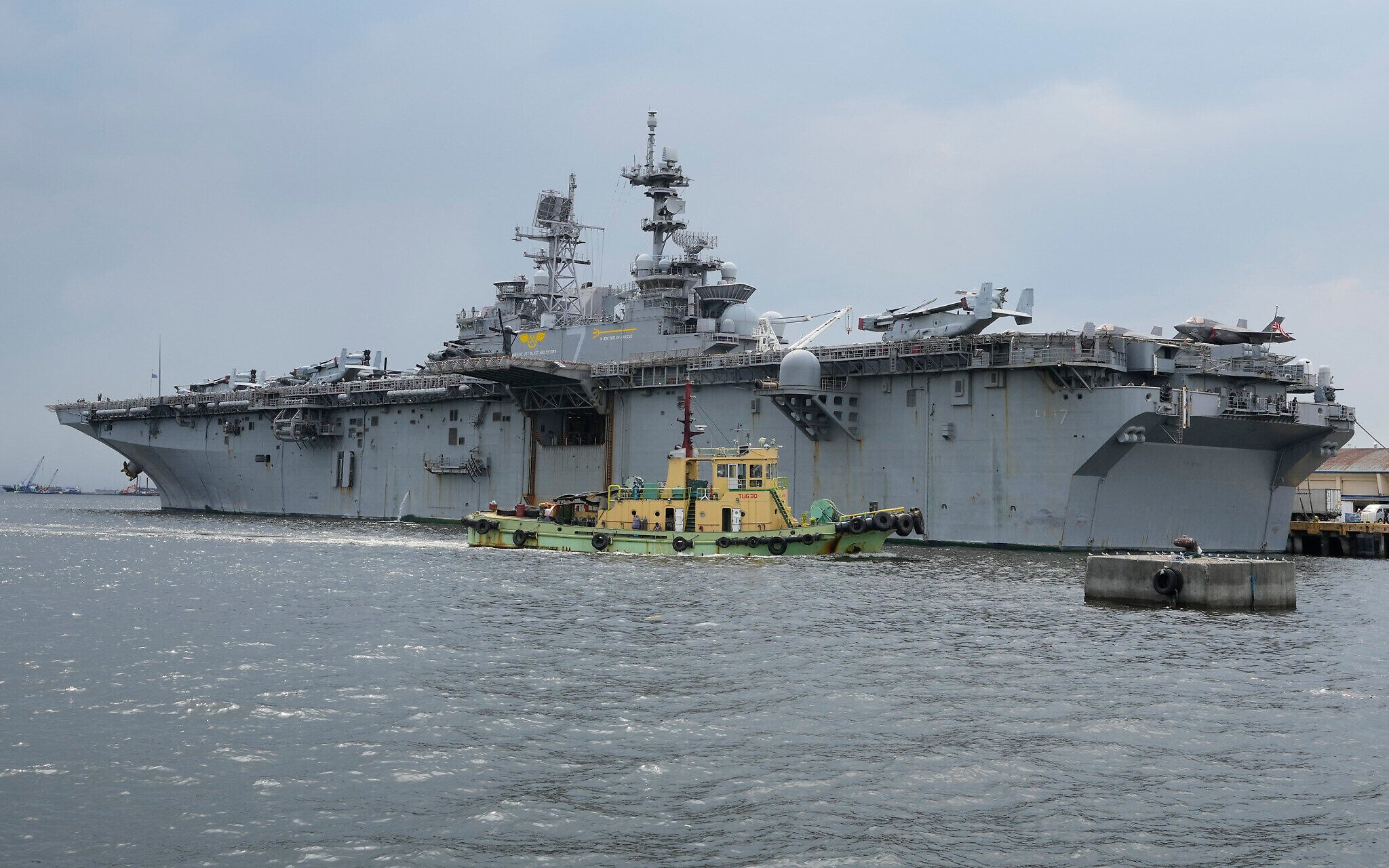
The Tripoli was spotted by commercial satellites sailing alone near Taiwan, putting it more than a week away from the waters off Iran.
Earlier in the week, the Navy had 12 ships, including the aircraft carrier USS Abraham Lincoln and eight destroyers, operating in the Arabian Sea. Should the Tripoli join this flotilla, it would be the second-largest ship behind the Lincoln in the region.
While the total number of US service members on the ground in the Middle East is not clear, Al-Udeid Air Base alone, one of the largest in the region, typically houses some 8,000 US troops in Qatar.
State Department offers $10 million for information on top Iranian officials
The US was also continuing to target Iranian leaders, offering a reward of up to $10 million for information about senior Iranian military and intelligence officials, including its new Supreme Leader, Ayatollah Mojtaba Khamenei.
The US reward targeted 10 officials associated with Iran’s Islamic Revolutionary Guard Corps (IRGC), according to a State Department website. The military force, created after Iran’s 1979 Islamic Revolution, is loyal to the supreme leader and tasked with protecting the Shi’ite clerical establishment.
The new supreme leader, a close ally of the IRGC, has yet to be seen in public since his appointment on Sunday, and is believed to have been injured in the US-Israeli bombing campaign. Iranian state media on Thursday read out a defiant statement attributed to him that called to keep using “the lever of blocking the Strait of Hormuz.”
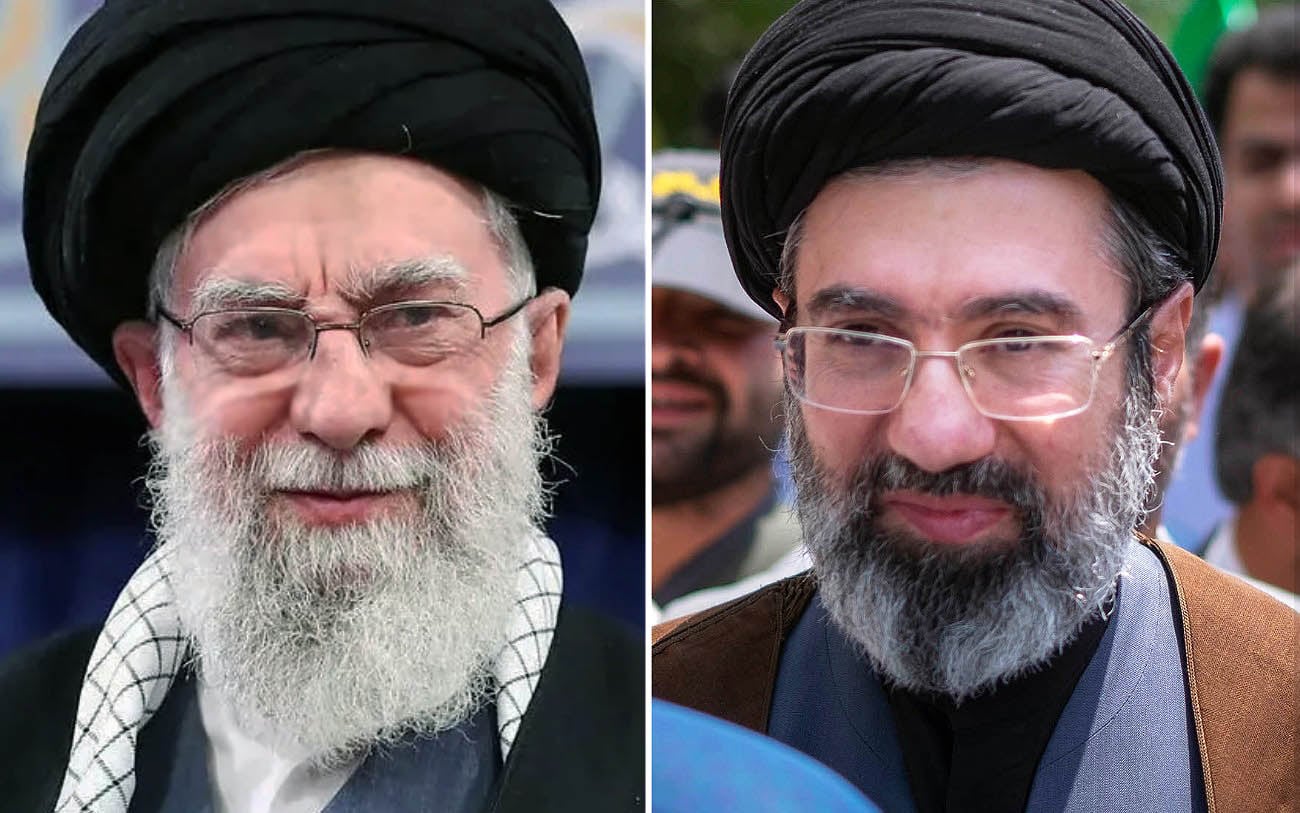
In addition to the supreme leader, the US is seeking information about Iran’s security chief Ali Larijani, Intelligence Minister Esmail Khatib, Interior Minister Eskandar Momeni and two officials in Khamenei’s office.
Larijani appeared Friday in videos verified by Reuters alongside President Masoud Pezeshkian and Foreign Minister Abbas Araghchi attending a rally in Tehran, despite an assertion by US Defense Secretary Pete Hegseth that Iran’s leadership was “cowering” underground.

The reward website also lists four other officials, including the IRGC commander and secretary of the defense council, but doesn’t include their names or photos.
“These individuals command and direct various elements of the IRGC, which plans, organizes, and executes terrorism around the world,” the State Department said.
3/7 ????️ Iranian President Masoud Pezeshkian, Foreign Minister Abbas Araghchi, Supreme National Security Council Secretary Ali Larijani, head of the Atomic Energy Organization Mohammad Eslami, Chief Justice Gholam-Hossein Mohseni-Eje'i, and chief of police Ahmad-Reza Radan attended pic.twitter.com/Qd0hLgRDHG
— Syed Ali Abbas (@smalinaqvi05) March 13, 2026
The Revolutionary Guards could not be immediately reached for comment on Friday — the weekly day of rest in Iran. Iran’s mission to the United Nations in New York didn’t immediately respond to a request for comment.
The US has designated the IRGC as a foreign terrorist organization, accusing it of being responsible for attacks that have killed US citizens. The IRGC oversees Iran’s network of anti-Israel terrorist proxies in the region, and has also plotted against Israeli and Jewish targets abroad.
Washington has also accused Iran of orchestrating assassination plots against US President Donald Trump and other US officials in retaliation for the killing of Iranian military commander Qassem Soleimani in 2020.


The Times of Israel Community.