

Citing Israel, Iran rejects demand to move nuke facility
Tehran says it won’t relocate Fordo underground enrichment plant, since it would then be susceptible to Israeli air attack
 Add ToI as a Preferred Source on Google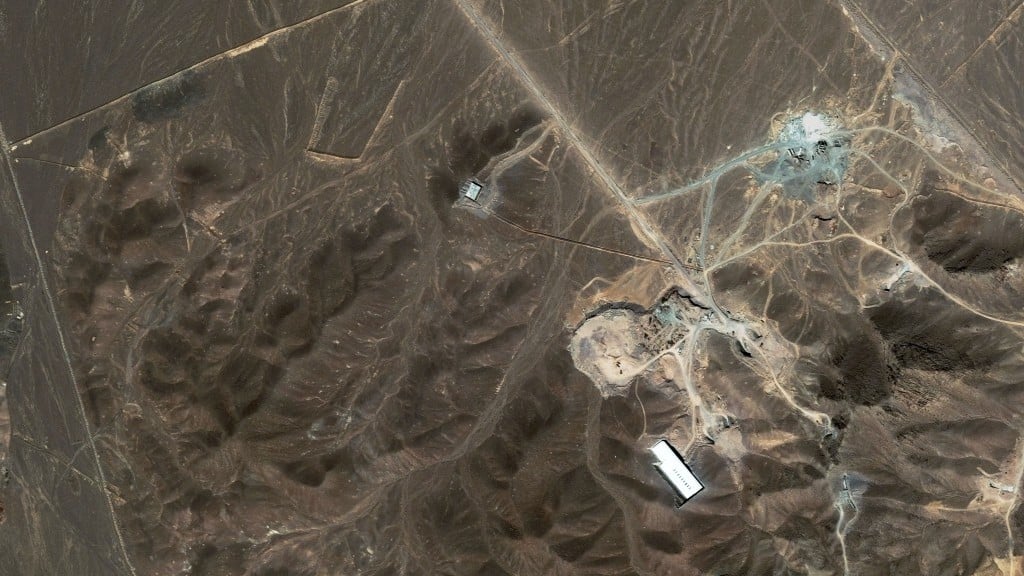
UNITED NATIONS (AP) — In a setback to Iran nuclear talks, Tehran is again rejecting US demands it repurpose an underground uranium enrichment site after what it says are Israeli threats from the air to another enrichment plant, diplomats told The Associated Press Monday.
The US wants the site near the city of Fordo, southwest of Tehran, shut down or converted to a purpose other than uranium enrichment because the plant is dug deep into a mountain. Because of that, Washington, and Iran’s arch-foe Israel, fears the fortified plant is impervious to an air attack. Centrifuges enriching uranium can churn out material ranging from low-level reactor fuel to the fissile core of a nuclear weapon.
What to do with the Fordo plant has been a central point of months of negotiations between Iran, the US and five other world powers aimed at reducing Iran’s ability to make an atomic weapon in exchange for an end to crippling economic sanctions.
Iran denies it wants nuclear arms and was reportedly engaging on US proposals on reconfiguring the site at previous negotiating rounds. But that has changed at the most recent session, which began Friday, said two diplomats, who demanded anonymity because their information is confidential.
They said Tehran now is invoking the case of what they say was an Israel drone they shot down last month near their main enrichment site at Natanz in arguing that they need to leave Fordo as an enrichment plant because of the vulnerability of the Natanz plant, south of Tehran.
Iranian state television aired footage of the purported drone August 25 and identified it as a Hermes 450 drone, which is manufactured in Israel. Israel has not commented. Tehran is also pushing members of the UN’s International Atomic Energy Agency to condemn Israel over the alleged incident at the IAEA’s general assembly this week.
Washington’s main aim at the talks is to place strict constraints on the size and output of Iran’s uranium enrichment program, and diplomats told the AP last week that it was trying a new approach in attempts to erode Tehran’s resistance.
They said a new US proposal on the table focuses on removing piping connecting the centrifuges. That would allow the US leeway on modifying demands that Iran cut the number of centrifuge machines from 19,000 to no more than 1,500.
The initiative would allow the Iranians to claim that they did not compromise on vows that they would never emasculate their enrichment capabilities, while keeping intact American demands that the program be downgraded to a point where it could not be quickly turned to making bombs.
The fate of a reactor under construction near the city of Arak is another contentious issue. The US and its Western allies want the reactor converted to reduce to a minimum its production of plutonium, an alternate pathway to nuclear arms.
The US is joined by Russia, China, Britain, France and Germany at the negotiating table with Iran. The deadline for a deal was extended to Nov. 24 after the sides failed to reach agreement by the end of July.
Copyright 2014 The Associated Press









The Times of Israel Community.