

South Africa delaying green-light for Israel-made circumcision ring
Health Department no closer to approving device, which has been shown to prevent HIV, but denies it is responding to boycott pressure
 Add ToI as a Preferred Source on Google
Tamar Pileggi is a breaking news editor at The Times of Israel.
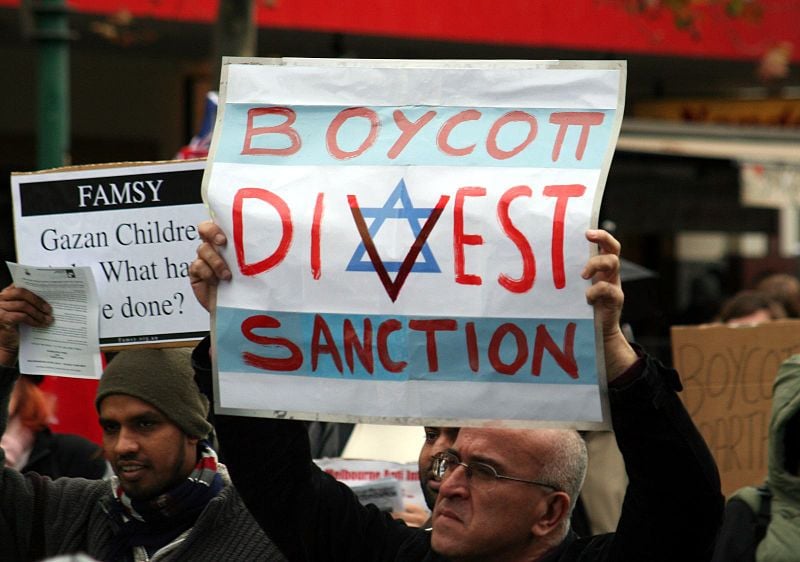
The South African Department of Health is holding off on green-lighting an Israeli-made circumcision device, though it denies the move is tied to efforts to boycott the product by anti-Israel activists.
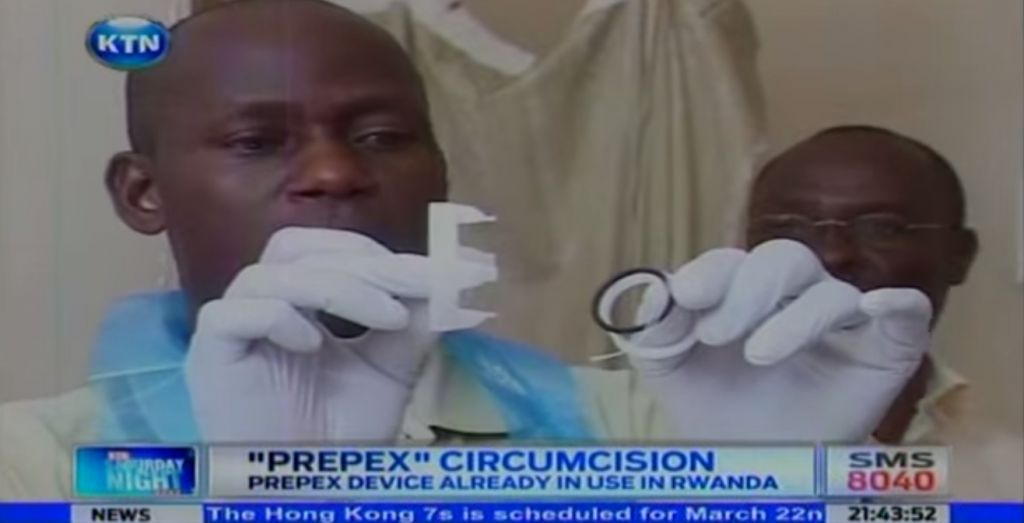
Trade unions in South Africa have put pressure on Pretoria not to okay PrePex, touted as a nonsurgical, safe and inexpensive medical device designed to facilitate voluntary medical male circumcision of adults while reducing the spread of HIV in Sub-Saharan Africa.
“We know what it can and cannot do, but we have not come to any conclusion on it yet,” Health Department spokesman Joe Maila said, according to South African news outlet Business Daily. “We are under no pressure from anyone, but I can’t say when we will take that decision. When we do take that decision we will tell the nation about that decision and why we took it.”
The boycott of the device was initiated in 2013 by the Congress of South African Trade Unions, known as Cosatu, and the African National Congress, who have been outspoken supporters of the Boycott Divest Sanctions campaign at the center of international pro-Palestinian efforts.
Officials say PrePex has the ability to decrease the number of deaths and injuries caused by unsafe circumcision practices. It was endorsed by the World Health Organization last year and was set to be introduced in South African hospitals and clinics in mid- 2015.
The circumcision ring,developed by an anti-AIDS group called Circ MedTech Ltd., has been shown to reduce the likelihood of contracting HIV by nearly 60 percent. In July, the South African Press Association reported that so far in 2014, botched circumcisions had killed at least 35 young men and hospitalized an additional 180.
Cosatu spokesman Patrick Craven said it did not matter if the device works or not. “What we are saying is that there should be a wholesale boycott of all products from Israel, including this one. We cannot have exceptions,” he said, according to several reports in South African media last month.
Former South African president Thabo Mbeki, known for his skeptical stance toward AIDS prevention efforts, has also joined in the call to boycott the medical device, calling on the public to mobilize against Israel and saying that it should “pay a price for the position that it is taking.”
Thobile Mbengashe, the chief director of HIV and AIDS in the Department of Health, urged Cosatu to reconsider its stance at an HIV/AIDS conference last June.
“We must leave out politics because what is important right now is saving people’s lives. We cannot say we cannot use a product from a certain country, even if it is going to help us, simply because we don’t like that country,” she said, according to Business Daily.




The Times of Israel Community.