

Columbia blocked but didn’t expel student who said Zionists shouldn’t live, filings show
Khymani James, protest leader who caused uproar over threats, is eligible to reapply to the university in the fall, but says in new court documents he’s been ‘effectively expelled’
 Add ToI as a Preferred Source on Google
Luke Tress is The Times of Israel's New York correspondent.
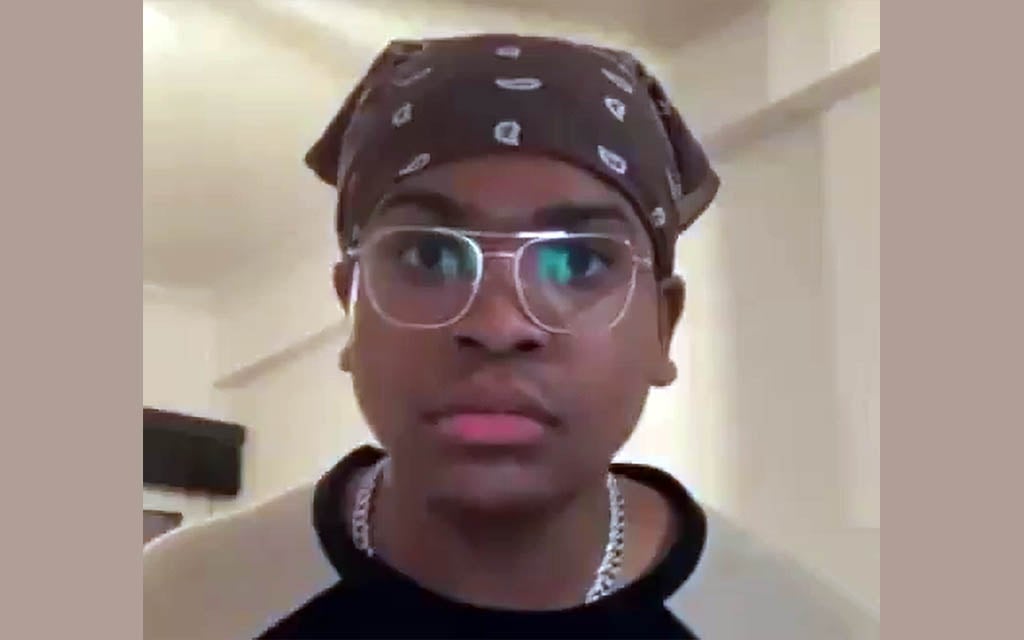
NEW YORK — Columbia University in New York City denied the re-application of an anti-Zionist protest leader who caused an uproar by saying that “Zionists don’t deserve to live,” without formally expelling him, according to documents filed in a New York court this week.
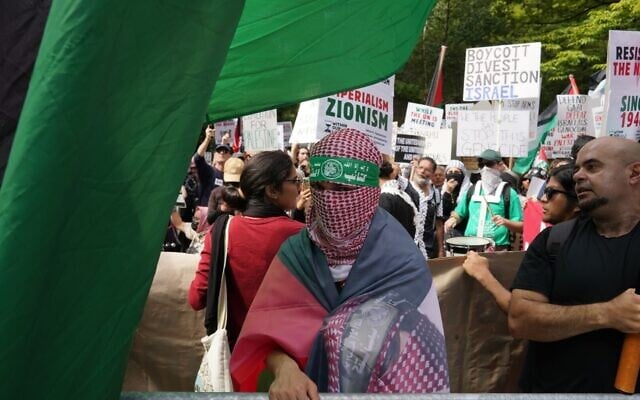
Khymani James caused a major scandal at the university in April 2024, as anti-Israel protests rocked the Ivy League campus, when video surfaced of him calling for violence against “Zionists.”
“I feel very comfortable — very comfortable — calling for those people to die,” he said. “Be glad, be grateful that I’m not just going out and murdering Zionists.”
The comments sparked condemnation from members of Congress and the Biden White House, and drew scrutiny over how the university would respond.
James was a leader in the anti-Zionist activist coalition on campus, Columbia University Apartheid Divest. The group is no longer recognized by the university.
Columbia barred James from campus after the comments came to light. He sued the university, alleging discrimination and breach of contract, in September 2024.
For those unfamiliar with Khymani James: pic.twitter.com/w5ZsSzYAnK
— Columbia Jewish & Israeli Students ✡️???????? (@CUJewsIsraelis) January 27, 2026
Documents filed in court this week shed light on how the university handled the case behind the scenes.
In August 2024, Columbia administrators wrote a letter to James, saying he had violated university rules against discrimination and disruptive behavior.
The letter cited incidents in April 2024 in which James posted images on social media of Jewish students and wrote, “Zionists just attempted to harass us and bring their terrorist flag over — we told [them] to get the hell out!”
A day later, at Columbia’s protest encampment, when three Jewish students attempted to enter the area, James formed a “human chain” to push them out. “We have Zionists who have entered the camp,” he announced to the other protesters.
The letter said James was suspended from Columbia and eligible to return in the fall of 2025.
A year later, in August 2025, Columbia said James’s request to re-enroll had been denied because he had not engaged in sufficient “reflection.”
“Your written submissions do not demonstrate a clear understanding of the impact of your conduct,” said the letter from a Columbia dean. Some of the names in the filings were redacted.
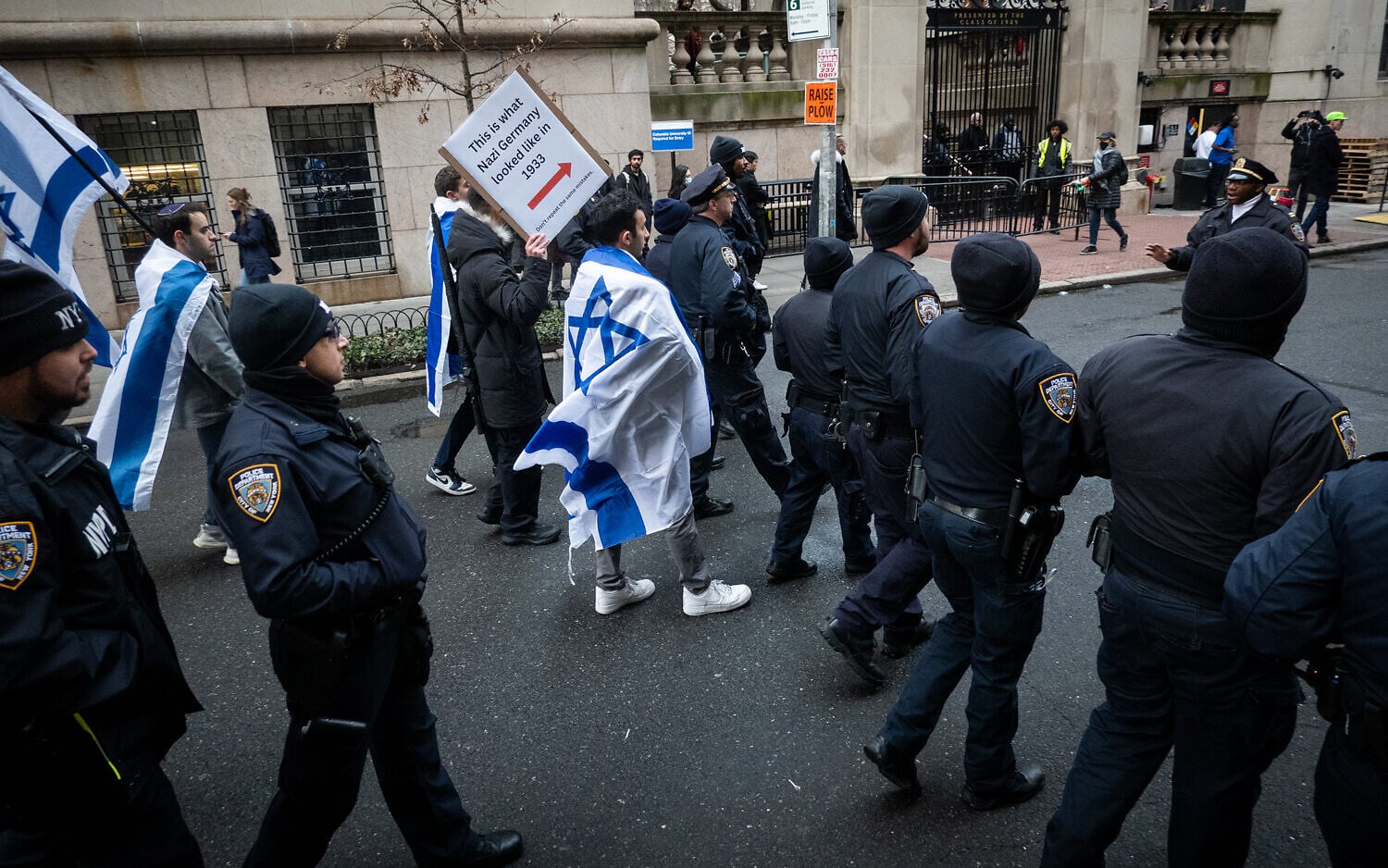
The letter also said that after James was suspended, he had continued to post inflammatory statements online, including by defending his comments about Zionists not deserving to live. “Anything I said, I meant it,” he wrote on social media, referring to a rap song he released in which he also defended his past comments.
The letter said he could reapply to the university in the fall of 2026, but did not state that he would be granted admission if he applied.
The statement appeared to contradict a claim by US Rep. Virginia Foxx, who led pressure on universities while serving as the chair of the Congressional Education and Workforce Committee. Foxx said that Columbia officials told her that James would be expelled. In response to Foxx’s statement, Columbia said on X that James “has been barred from Columbia’s campus” and was not a registered student.
A source familiar with the proceedings said that James had been denied re-enrollment for 2025, that the university must follow an internal process, and that all students are allowed due process.
James’s lawyers argued that his statements were protected political speech, stating “anti-Zionism is not antisemitism,” reflecting a major fault line that runs through US politics and the legal system. Jewish legal groups have argued that Zionism is integral to Jewish identity and thus protected by federal civil rights law. The strategy has met mixed success in the courts.
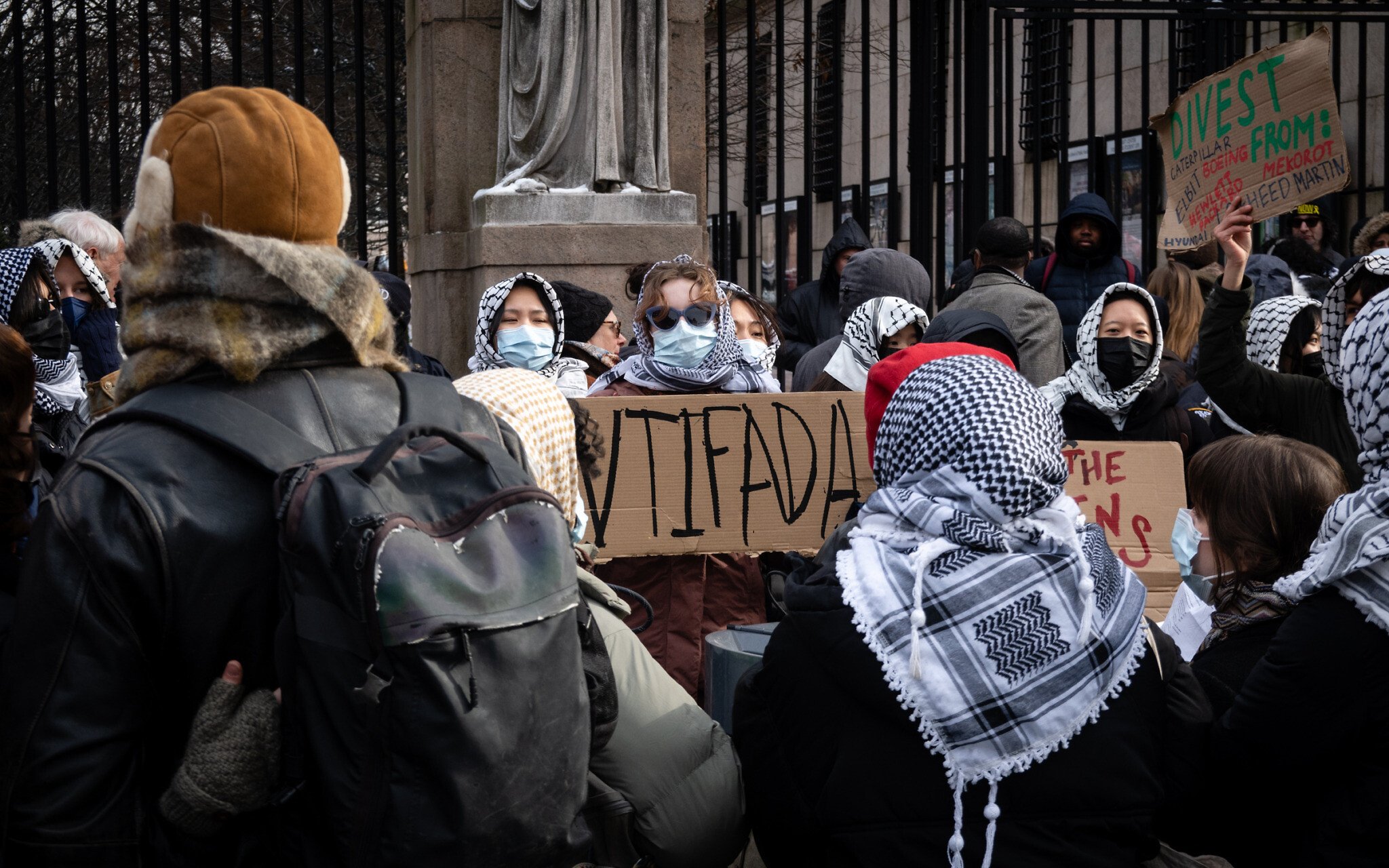
The lawyers said James had been subject to a “hostile environment,” in violation of New York human rights law.
Last week, James filed an affidavit accusing the university of a “McCarthyist interrogation” and effectively expelling him “under the guise of an indefinite suspension” due to political pressure. He urged the court to rule against Columbia so he could receive “compensatory justice.”
“I strongly believe Columbia has no intention of allowing me to reenroll and that no matter how much growth and reflection I demonstrate, they will always be susceptible to external political pressure,” he wrote. “Columbia’s treatment of me has not only been incredibly unfair, but has also been traumatizing and debilitating.”
In an undated letter filed to the court last week, James wrote to Columbia Dean Josef Sorett and the university’s Center for Student Success and Intervention that Columbia was “taking orders from the fascist Trump administration.”
“I knew that you all had no intention of allowing me to reenroll,” he wrote, accusing Columbia of discrimination. He said he did not expect to be readmitted to the university when he was allowed to reapply in the fall.
“Am I not worthy of a second chance?” he said.
During his suspension, James has continued to post inflammatory content on social media, such as supporting “the intifada and the resistance” and applauding the assassination of Charlie Kirk.
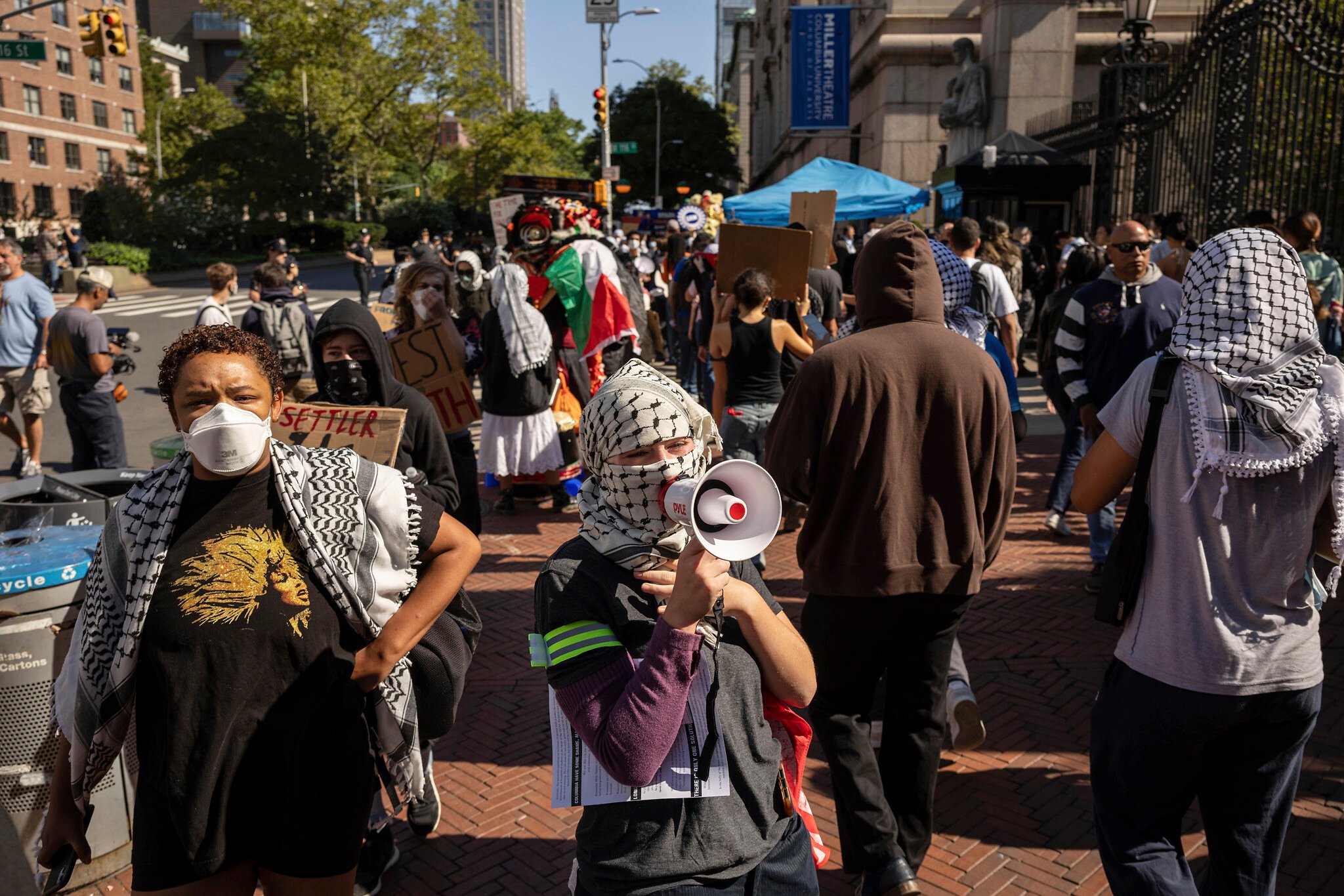
Columbia filed a motion to dismiss the case earlier this month.
A Columbia spokesperson told The Times of Israel that the university could not comment on pending litigation.
James made his comment that “Zionists don’t deserve to live” in January 2024 in a video he posted to social media, which surfaced months later, causing the controversy.
“Zionists — they are Nazis. They’re Nazis. They’re fascists. They’re supporters of genocide. Why would we want people who are supporters of genocide to live?” he said. “Zionists, along with all white supremacists, need to not exist because they actively kill and harm vulnerable people. They stop the world from progressing.”
Columbia University Apartheid Divest initially issued an apology in James’s name for the comments, but later walked back the statement with an explicit call for violence.
An antisemitism task force at Columbia reported widespread discrimination against Jews after the start of the Gaza war, but the campus has been relatively quiet recently.
This week, Columbia announced its next president, Jennifer Mnookin, its fourth president since the start of the war.
Also this week, the university said that Jonathan Dekel-Chen, the father of former Israeli hostage Sagui Dekel-Chen, will join its faculty.


The Times of Israel Community.