

Live updates (closed)
 Add ToI as a Preferred Source on Google

The Times of Israel liveblogged Wednesday’s events as they unfolded.
Lebanon reports 13 killed in south on Tuesday by Israeli strikes targeting Hezbollah
Israeli strikes targeting Hezbollah killed 13 people in southern Lebanon on Tuesday, including a soldier, a child and two rescue workers, the health ministry says.
“A strike on the city of Nabatieh left five dead, including two Civil Defense rescuers,” the ministry says, while another strike around Jebchit left four dead “including a soldier and a Syrian national” and a third strike in Bint Jbeil killed “four civilians, including a child and a woman.”
Israel advances to Eurovision grand final despite anti-Israel chanting during song

Noam Bettan from Israel performs the song 'Michelle' during the first semifinal of the 70th Eurovision Song Contest in Vienna, Austria, May 12, 2026. (Alma Bengtsson/EBU)
Israel’s Noam Bettan advances to the grand final of the Eurovision Song Contest in Vienna after scoring enough points at tonight’s semifinal.
Bettan performed “Michelle” in French, Hebrew and English over the sounds of “stop the genocide” chanting in the Wiener Stadthalle in the Austrian capital, which could be heard on the live broadcast at the start of the song.
According to the local Österreich newspaper, two people who were interrupting the broadcast were physically removed from the arena by security.
The Kan public broadcaster said that after exiting the stage, Bettan said: “I didn’t let the boos bother me, I focused on the Israeli flags.”
The results were decided by a combination of jury votes and public votes from each country. The European Broadcasting Union does not release the full breakdown until after the grand final.
Australia says it will join ‘strictly defensive’ Hormuz mission led by France and UK
Australia will join a “strictly defensive” mission led by France and Britain to secure shipping through the Strait of Hormuz, Australian Defense Minister Richard Marles says.
Australia will contribute a Wedgetail E-7A surveillance aircraft, already deployed in the region to protect the United Arab Emirates from Iran drone attacks, Marles says after a meeting of 40 countries.
“Australia stands ready to support an independent and strictly defensive Multinational Military Mission, led by the United Kingdom and France, once it is established,” Marles says in a statement.
A multinational military mission is designed to complement diplomatic engagement and deescalation efforts, while “demonstrating a tangible commitment to the security of international trade,” he says.
Iran said to retain access to 30 missile sites along the Strait of Hormuz
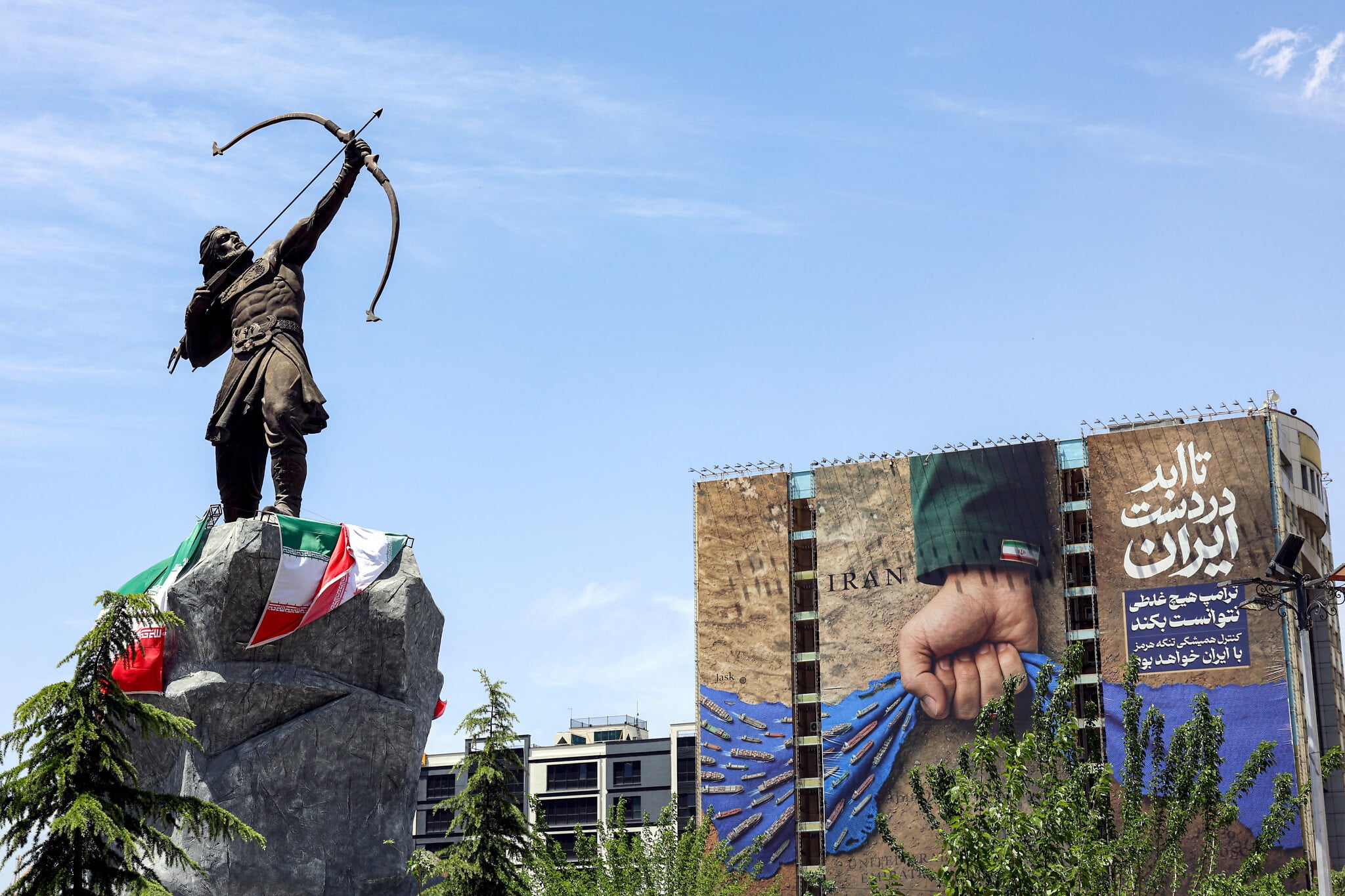
A statue depicting Persian mythical figure Arash the Archer, who according to tradition defined the border area between Persia and the Turanians, is displayed near a billboard on the facade of a building depicting the Strait of Hormuz with a caption in Persian reading "Forever in Iran's Hand", at Vanak Square in Tehran on May 6, 2026. (Photo by AFP)
Iran has succeeded in restoring access to 30 of 33 missile sites it has along the Strait of Hormuz, allowing it to threaten vessels traversing the key waterway, according to a report in the New York Times that cites US intelligence assessments.
The report quotes those knowledge of the assessments as saying the Iranians can use mobile launchers inside the sites to move missiles elsewhere and that some of the sites have launchpads from which missiles can be fired, with only three of the 33 sites near Hormuz completely inaccessible.
China calls on Pakistan to step up mediation efforts between US and Iran
China’s top diplomat is urging Pakistan to step up mediation efforts between Iran and the United States, and help to “properly” address the reopening of the Hormuz strait, Chinese state media says.
Foreign Minister Wang Yi spoke to his Pakistani counterpart Ishaq Dar on a call, state news agency Xinhua reports, ahead of US President Donald Trump’s visit to Beijing.
UJA-Fed of New York announces next leader
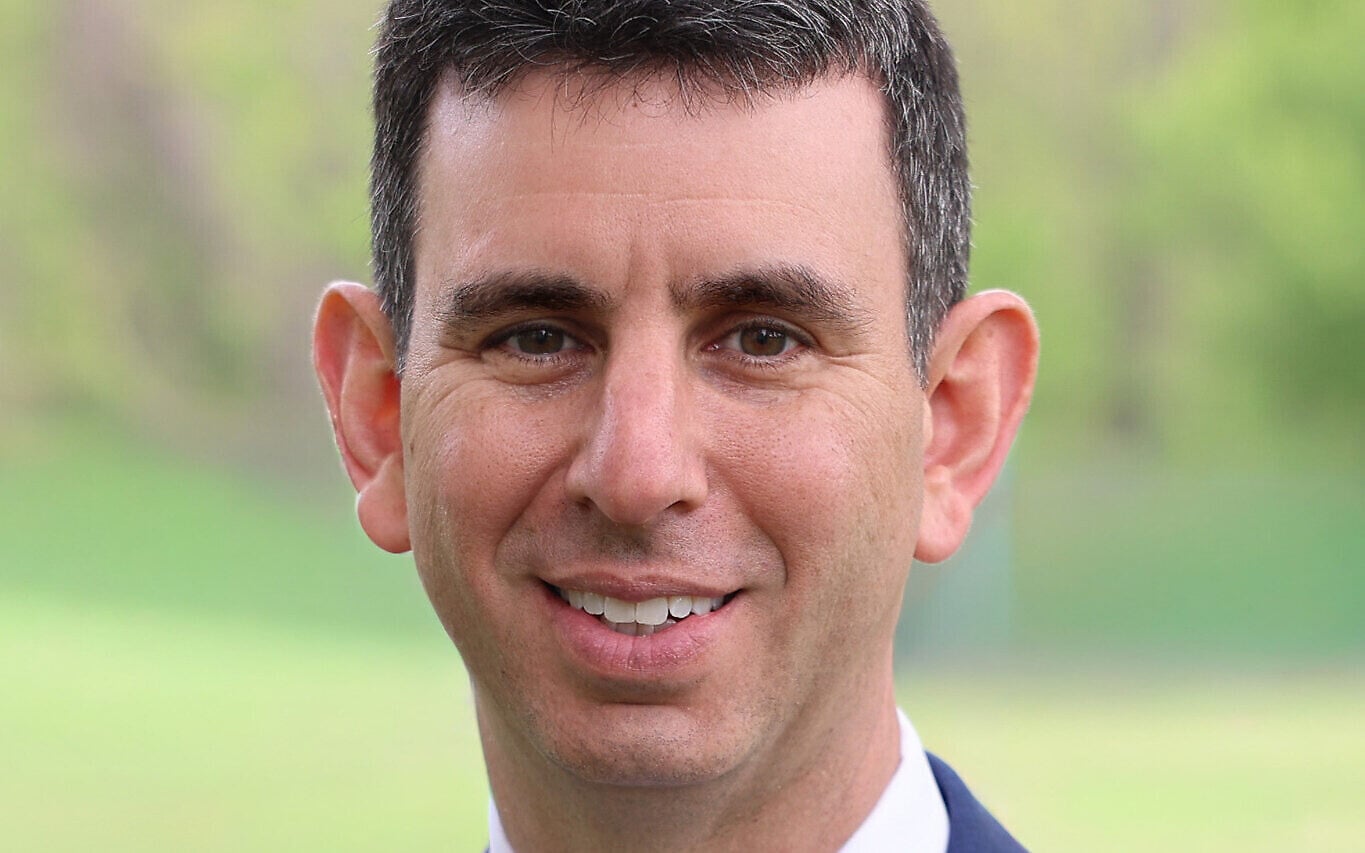
Dr. Michael A. Kay, the incoming head of the UJA-Federation of New York. (Courtesy/UJA-Federation of New York)
The UJA-Federation of New York, the leading Jewish group in New York City, announces that Dr. Michael A. Kay will be its chief executive officer.
Kay will take the reins from Eric Goldstein, who has led the group for 12 years.
Kay has been the head of school at the Leffell School, formerly the Solomon Schechter School of Westchester, for the past 13 years, the federation says.
“Working together, we will reimagine how we engage the next generation, deepen our partnership with Israel, and mobilize the full breadth of Jewish communal wisdom,” Kay says in a statement.
Kay will step into the role on October 5 as the Jewish community grapples with high rates of discrimination, hostility to Israel, and ongoing disputes with the Mamdani administration.
Goldstein, who is highly regarded and popular in the US Jewish community, announced that he was leaving the federation in July, saying he wished to spend more time with his family in New York and Israel and take on new projects.
Jewish groups announce protest against New York Times
US Jewish groups announce a protest against The New York Times on Thursday.
The protest is focused on a column published Monday that accused Israeli forces of widespread rape of Palestinian inmates.
Israeli authorities denounced the widely-criticized report as libelous, noting that it relied on sources that have alleged ties to the Hamas terror group or have praised it.
The protest is organized by the activist groups EndJewHatred, Stop Antizionism, Hineni and the Movement Against Antizionism.
The latter three are relatively new organizations, established in the aftermath of the Gaza war and ensuing surge in anti-Jewish discrimination in the US, with the rally marking an early foray for the groups into organized protests.
“Join us to rally and let NYT know they must stop the antizionist libels! Enough is enough!” the organizers say.
No injuries as IDF says it downed Hezbollah drone targeting troops in southern Lebanon
The IDF says it intercepted an apparent Hezbollah drone over an area of southern Lebanon where troops are deployed a short while ago.
No injuries are reported in the incident.
Olmert says NYT columnist misrepresented his statement about alleged rape of Palestinian inmates
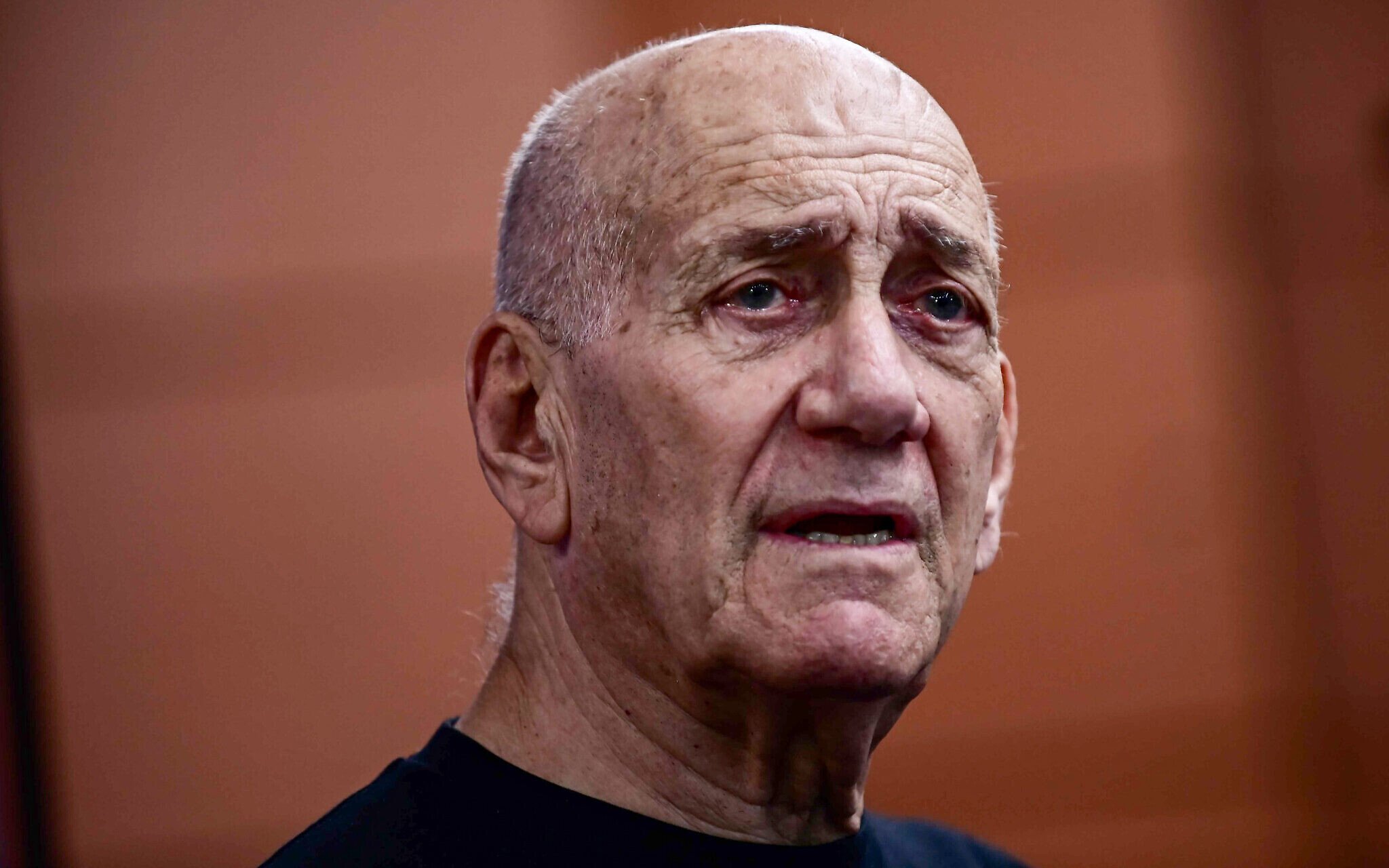
Former prime minister Ehud Olmert testifies during a hearing of the civil investigative committee on the October 7 massacre, in Tel Aviv, August 8, 2024. (Tomer Neuberg/Flash90)
Former prime minister Ehud Olmert says The New York Times misrepresented a statement he made in a report that alleged widespread rape of Palestinian inmates.
The column quoted Olmert near the bottom of the article, appearing to confirm the report’s contents.
“Olmert told me he didn’t know much about sexual violence against Palestinians but was not surprised by the accounts I had heard,” the writer, Nicholas Kristof, wrote in the report.
“Do I believe it happens?” Olmert told Kristof. “Definitely.”
“There are war crimes committed every day in the territories,” Olmert said.
Olmert says that Kristof misrepresented their conversation, however, by placing the quote at the end of the article, appearing to validate its allegations, when he had not.
“Mr. Kristof’s article includes claims of extraordinary gravity: that Israeli authorities have directed the rape of children, that dogs have been used as instruments of sexual assault, that systematic sexual torture is state policy. I did not validate these claims,” Olmert said in a statement, according to The Free Press.
“I have no knowledge supporting these claims as I said to Mr. Kristof. Therefore, the positioning of my quote after pages of such allegations misrepresents my views,” Olmert said, according to The Free Press report.
Report: US military considering switching name of Iran war to ‘Operation Sledgehammer’ if ceasefire collapses
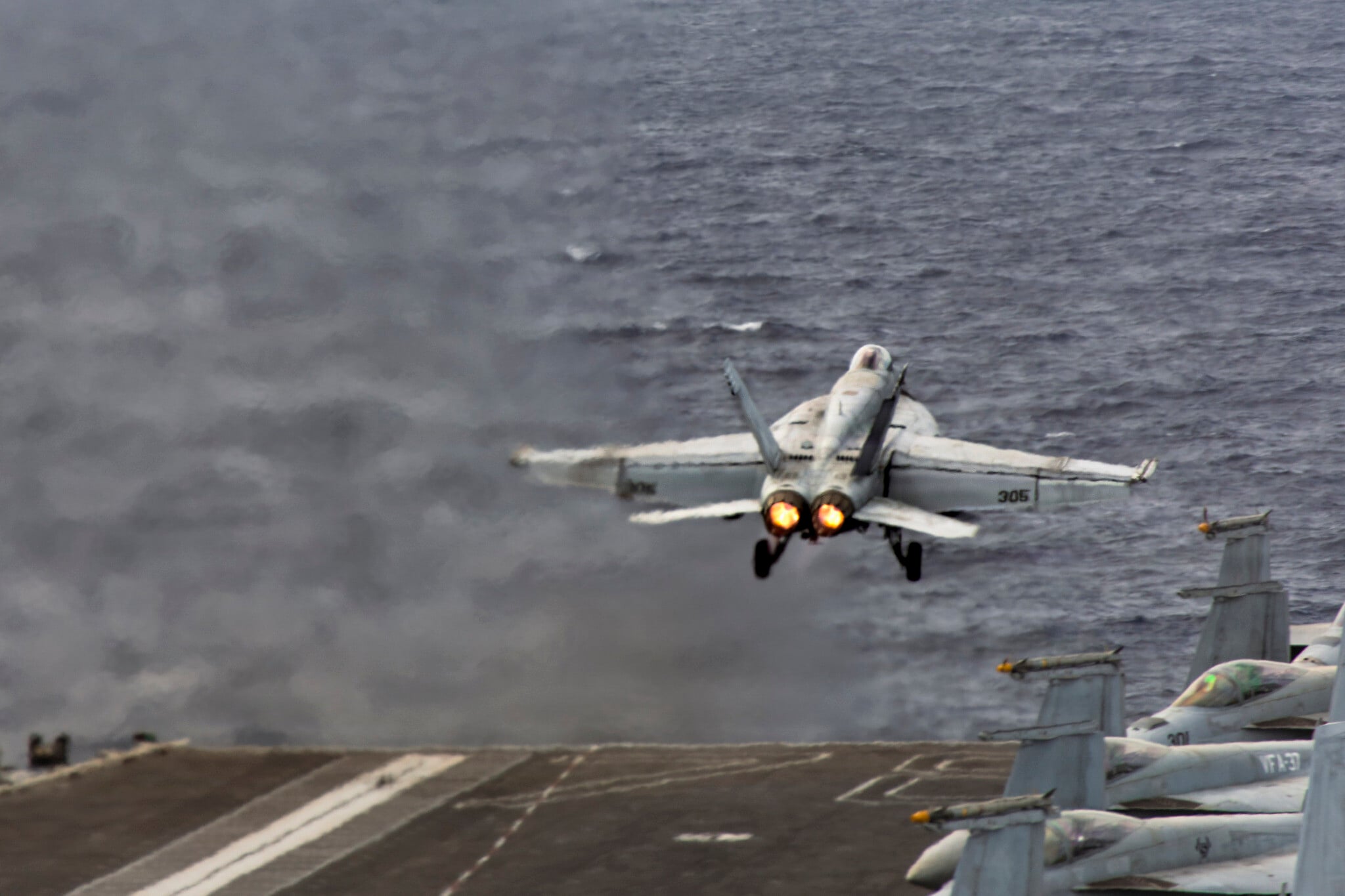
FILE: An F/A-18E Super Hornet aircraft, attached to Strike Fighter Squadron 31, launches from the flight deck of the USS Gerald R. Ford (CVN 78), while underway during Operation Epic Fury, March 15, 2026. (US Navy photo)
The US military is considering switching the name of the conflict with Iran to “Operation Sledgehammer” if the ceasefire fully collapses and President Donald Trump orders a return to fighting, NBC reports.
Two US officials tell the outlet that the Pentagon is considering renaming “Operation Epic Fury.”
The broadcaster says that the name change could allow Trump to argue that there is a reset on the 60-day clock that would require US Congress to authorize a war.
NBC says that the Trump administration declared an end to Operation Epic Fury with the implementation of the ceasefire, but notes that the Pentagon has continued to use the name.
US officials tell the outlet that other names are also under consideration and that the discussions are a sign that Trump is seriously weighing a return to hostilities.
Palestine Action members convicted for UK raid on Israeli arms firm could be sentenced as terrorists

Bodycam footage from August 6, 2024, shows suspects in a break-in at Elbit UK's site in Bristol, England, in which one intruder struck a police officer with a sledgehammer, fracturing her spine (Screen grab from Thames Valley Police footage)
The four British Palestine Action members convicted of smashing a UK site of Israeli defense firm Elbit in 2024, with one defendant found guilty of striking a police officer with a sledgehammer, could be sentenced for terror offenses, British media reports.
Prior to the first trial in the case, the judge ruled that there appeared to be a “terrorist connection” to the case, but that the jurors could not be informed of this and the media was not allowed to report it.
A terrorism connection could therefore be considered when the four are sentenced on June 12.
Last week, jurors found Charlotte Head, 30, Samuel Corner, 23, Leona Kamio, 30, and Fatema Rajwani, 21, guilty of criminal damage in the raid in Bristol on August 6, 2024.
The raid caused an estimated 1 million pounds ($1.36 million) in damage. Corner was filmed during the raid bringing a sledgehammer down on Sgt. Kate Evans, fracturing her spine.
Sirens in north warn of suspected Hezbollah drone attack from Lebanon
Sirens in northern Israel warn of a suspected Hezbollah drone attack from Lebanon.
The Israel Defense Forces says it is looking into the incident.
IDF says Hezbollah fired several rockets, drone at troops in south Lebanon; no injuries
Hezbollah fired several rockets at Israeli troops stationed in southern Lebanon this morning, the military says.
Additionally, the IDF says that an apparent Hezbollah drone was intercepted.
No injuries were caused in the attacks.
Separately, the IDF says that sirens which sounded in the border community of Avivim were false alarms.
Iran executes man accused of spying for Israel; rights group says confession fabricated
Iran executed a man convicted of spying for Israel’s intelligence service after the Supreme Court upheld his death sentence, the judiciary’s Mizan news outlet reports.
According to rights group HRANA, the 32-year-old defendant named Ehsan Afrashteh was arrested in 2024 and sentenced to death in 2025 based on confessions that were fabricated.
خبرگزاری «میزان»، وابسته به قوه قضاییه جمهوری اسلامی، از اعدام احسان افراشته، زندانی متهم به «جاسوسی برای اسرائیل» خبر داد. قوه قضاییه مدعی شده است که او در نپال تحت آموزش سازمان اطلاعاتی موساد قرار گرفته و اطلاعات حساس جمهوری اسلامی را در اختیار اسرائیل قرار میداده است.… pic.twitter.com/KDQwpAmsRi
— ایران وایر (@iranwire) May 13, 2026
Man shot and killed in Shfar’am
A 43-year-old man was shot and killed in Shfar’am, Hebrew-language media reports.
The man was shot in his vehicle.
Police are said to believe the motive to the killing is criminal rather than nationalistic.
IDF issues evacuation warnings for 7 south Lebanon villages ahead of strikes targeting Hezbollah
The IDF issues evacuation warnings for seven villages in southern Lebanon ahead of airstrikes targeting the Hezbollah terror group.
Residents of Maashouq, Jarjouaa, Yanouh, Burj al-Shamali, Hallousiyyeh al-Faouqa, Debaal, and Aabbasiyyeh are instructed to evacuate at least a kilometer away.
“In light of the Hezbollah terror organization’s violations of the ceasefire agreement, the IDF is forced to act against it with force and does not intend to harm you,” warns army spokesman Col. Avichay Adraee.
IDF says Hezbollah fired several rockets at troops in south Lebanon, no injuries
Hezbollah fired several rockets at Israeli troops in southern Lebanon a short while ago, triggering sirens in the border community of Zarit.
The IDF says the rockets struck near the forces but did not cause any injuries.
Some Japanese snack packaging to turn black-and-white as Iran war causes ink supply issues

This image made from video provided by Japan's NNN-NTV shows Calbee snack packages in color and black and white in Tokyo, May 13, 2026. (NNN-NTV via AP)
The packaging on some snacks in Japan is turning a somber black-and-white, as the war in Iran disrupts the supply of an ingredient used in colored ink.
Tokyo-based Calbee Inc., which makes potato chips and cereal, says that what is inside remains the same. Calbee’s popular snacks are available in Japan’s omnipresent convenience stores and shipped to the US, China, and Australia.
“This measure is intended to help maintain a stable supply of products,” it says in a statement.
The change on 14 products in its lineup will start May 25, limiting ink colors to just two, the company says, noting it is necessary to respond flexibly to changing geopolitical conditions.
How long the change might last remains unclear, according to Calbee, founded in 1949, and employing more than 5,000 group workers.
The move is the latest caused by the effective closure of the Strait of Hormuz because of the Iran war, which has sent prices of oil and other products higher, as well as causing supply crunches.
IDF strike targeted car on major highway linking Beirut and south Lebanon, state media reports
An Israeli strike targeted a car on a major highway linking Beirut to southern Lebanon, Lebanese state media reports, amid a floundering truce between Israel and Hezbollah.
The strike took place in the Jiyeh area, about 20 kilometers (12 miles) south of the capital, Lebanon’s National News Agency says.
On Saturday, two similar strikes targeted two cars on the same highway.
There is no immediate comment from the Israel Defense Forces.
דיווחים בלבנון על תקיפה ישראלית לעבר רכב באזור ג'יה שבהר הלבנון, כ-20 ק"מ דרומית לביירות@kaisos1987 pic.twitter.com/XEtEVPY0oS
— כאן חדשות (@kann_news) May 13, 2026
Lebanese media reports strike on second vehicle south of Beirut
Lebanese media reports a second strike on a vehicle in the Jiyeh area, south of Beirut.
There is no information on casualties and no immediate comment from the Israel Defense Forces.
Earlier it was reported that a car was targeted on a major highway linking the Lebanese capital and the south of the country.
????????من جديد.. غارة من مسيرة على أوتستراد الجية pic.twitter.com/Oaw0kgxTlt
— bintjbeil.org (@bintjbeilnews) May 13, 2026
IDF says it struck 40 Hezbollah sites, including primed rocket launchers aimed at Israel
The IDF says it struck 40 Hezbollah sites and killed operatives who posed a threat to troops in southern Lebanon in the past day.
The targets included weapon depots, buildings used by the terror group to advance attacks, the military says.
Additionally, the IDF says it struck several primed Hezbollah rocket launchers that were aimed at Israel.
במהלך היממה האחרונה: צה״ל תקף יותר מ-40 תשתיות של ארגון הטרור חיזבאללה בדרום לבנון
במהלך היממה האחרונה, צה״ל תקף יותר מ-40 תשתיות של ארגון הטרור חיזבאללה במספר מרחבים בדרום לבנון.
בין התשתיות שהותקפו: מחסני אמצעי לחימה ומבנים בשימוש צבאי מהם פעלו מחבלי ארגון הטרור חיזבאללה… pic.twitter.com/fFg3eToqPf
— צבא ההגנה לישראל (@idfonline) May 13, 2026
Social media influencer doctor stabbed, seriously injured at Tel Aviv home; suspect arrested

Paramedics and police arrive at the scene of a stabbing in Tel Aviv, in which a social media influencer was seriously injured, May 13, 2026. (Magen David Adom)
A doctor with a large social media following was stabbed and seriously injured at his Tel Aviv apartment overnight. Police have arrested a suspect.
The victim, around 30 years old, was seriously injured, according to the Magen David Adom emergency service.
Paramedics called to the scene at around 1 a.m. found the man conscious and suffering from several stab wounds, and took him to the hospital.
A few hours later, police arrested a man in his 20s on suspicion of involvement in the stabbing.
According to reports, the victim and suspect were known to each other.
Series of tremors near Tehran overnight renew concerns over major earthquake risk
A series of nine small earthquakes struck the Pardis area east of Tehran overnight, Mehr news agency reports, renewing fears among experts and residents that the Iranian capital could face a major seismic disaster.
The repeated activity has revived concerns that accumulated tectonic pressure beneath and around the capital, which lies close to several active fault lines, could at some point in the future trigger a much larger earthquake.
While tremors in the area are frequent, it is far less common for several to take place in a row.
The tremors, recorded over a single night in eastern Tehran province, were felt in an area close to the Mosha fault, one of Iran’s most active seismic zones.
State media reported that one of the earthquakes was recorded at 4.6 magnitude, adding that the mild seismic activity didn’t cause casualties or material damage.
Semi-official Mehr news cites seismologist Mehdi Zare as saying it wasn’t clear whether the tremors represented a release of built-up seismic energy that would reduce future risk or instead were warning signs of stronger future activity along the fault system near Tehran.
Zare warns that Tehran’s vulnerability is amplified not only by active fault lines but also by dense urban development, population concentration and limited preparedness. He says even relatively small earthquakes can cause disruption in the capital due to fragile infrastructure and congestion, complicating emergency response.
Tehran, a metropolitan area of more than 14 million people, lies near major active faults including the North Tehran, Mosha and Rey fault systems. Iranian experts have repeatedly warned that a major earthquake near the capital could have catastrophic consequences.
Iran is among the world’s most earthquake-prone countries, and memories remain vivid of the 2003 Bam earthquake, which killed more than 30,000 people.
Italy ‘pre-positioning’ 2 minesweepers closer to Gulf, but will only deploy amid stable truce
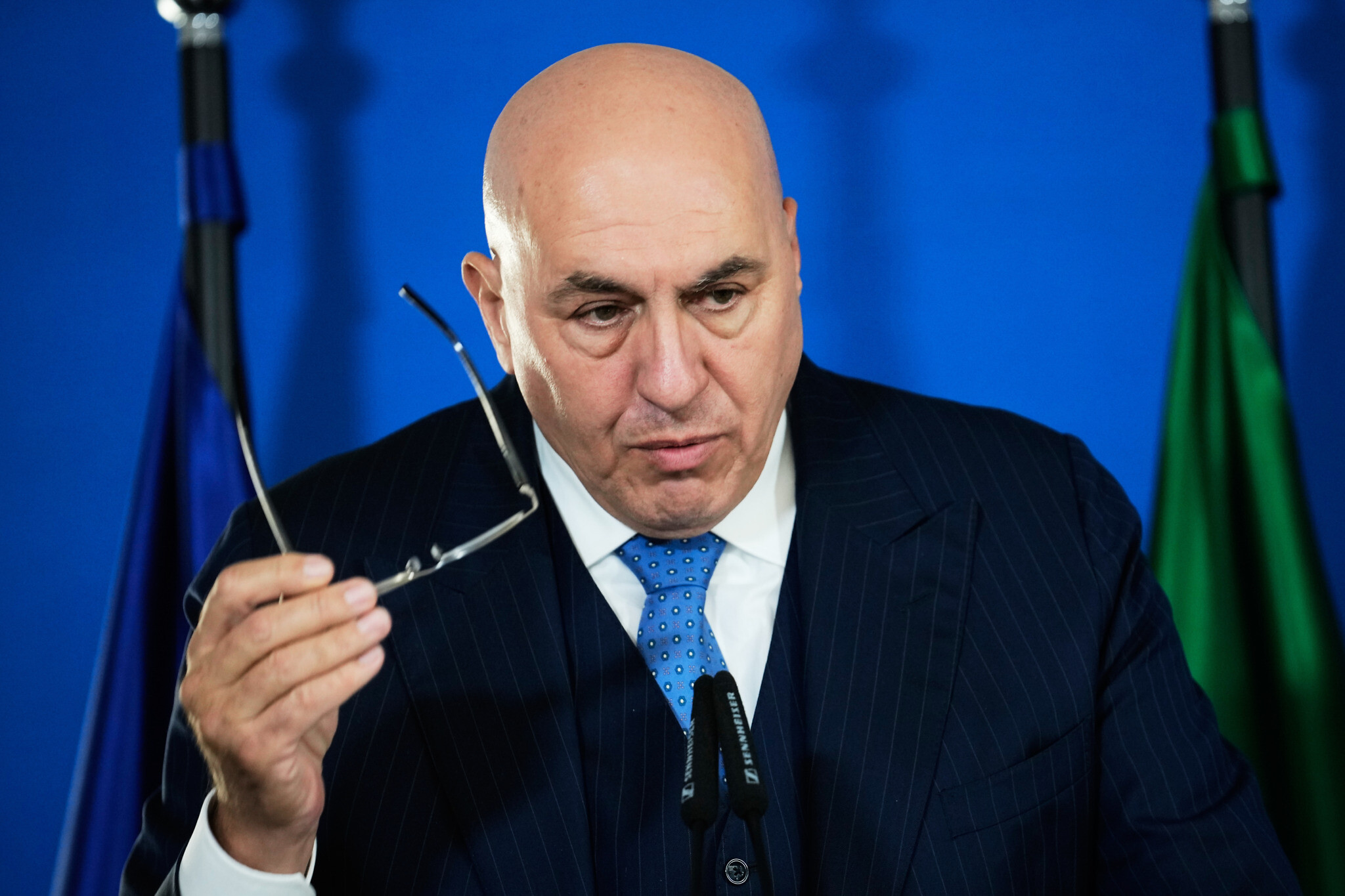
Italy's Defence Minister Guido Crosetto attends a press conference after the Five Defense Ministers meeting in Berlin, Germany, November 14, 2025. (AP Photo/Ebrahim Noroozi)
Italy says it is sending two warships closer to the Gulf but will only deploy them as part of an international mission in case of a lasting truce in the region.
Speaking to parliament, Defense Minister Guido Crosetto also says that a possible mission to the Strait of Hormuz could only happen with prior approval from lawmakers.
Iran has effectively blockaded the Strait, through which around a fifth of global oil supplies used to transit, since the regime came under attack from the US and Israel in February.
The confrontation has wrought economic havoc around the world, pushing up oil and fertilizer prices and disrupting global supply chains.
The US has also accused Iran of laying mines in the Strait.
Crosetto says that the pre-condition for any deployment would be not the ceasefire currently in place “but a real, credible and stable truce or, even better, a definitive peace.”
He says it will take weeks for the minesweepers to reach the region and Italy was therefore “pre-positioning” them, initially to the eastern Mediterranean and then the Red Sea.
“Solely as a precaution… we are arranging for two minehunter units to be positioned relatively closer to the Strait,” Crosetto says.
Britain and France have led talks on a potential naval effort in the region to assist global shipping.
Both countries have said they are “pre-positioning” warships nearby.
Negotiations between the United States and Iran to end the Middle East war and re-open the crucial waterway appear to have stalled.
Netanyahu testimony in corruption trial to end early once again
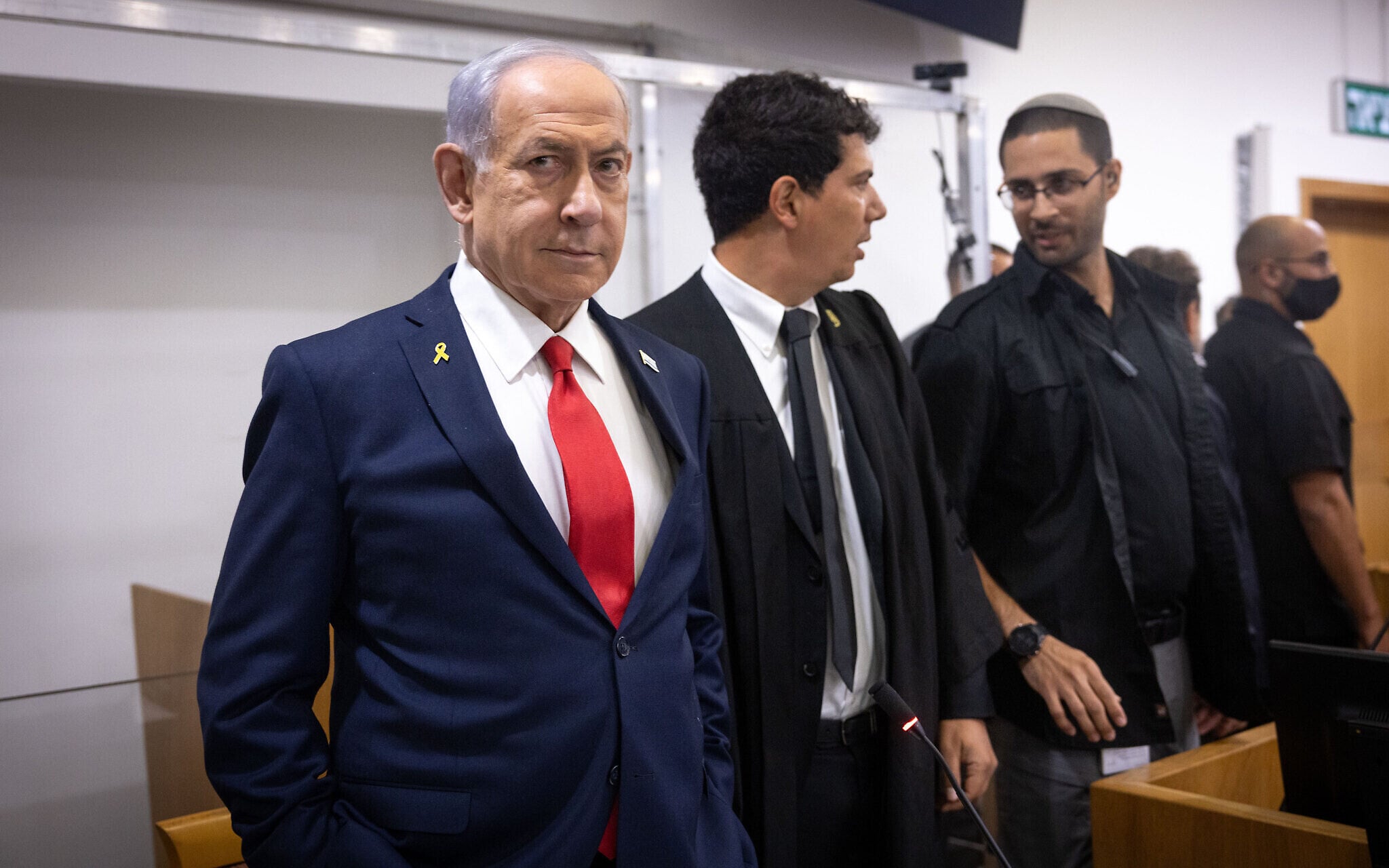
Prime Minister Benjamin Netanyahu arrives at the courtroom at the District Court in Tel Aviv, before the start of his testimony in the trial against him, October 28, 2025. (Miriam Alster/ Flash90/ File)
Judges in Prime Minister Benjamin Netanyahu’s corruption trial agree once again to cut short his testimony following the premier’s request to do so due to an unspecified event later today.
Netanyahu’s testimony was scheduled to finish at 4 p.m. but will now end at 1:30 p.m.
Yesterday’s hearing was also cut short by two hours due to a request from the prime minister.
Netanyahu is being cross examined today on Case 2000, in which he is charged with fraud and breach of trust over allegations he planned an arrangement with Yediot Aharonot publisher Arnon (Noni) Mozes where he would receive more favorable media coverage from the publication and Netanyahu would in return advance legislation to weaken Yediot’s rival Israel Hayom.
Minister prays on Temple Mount, lauds Ben Gvir’s ‘revolution’ at flashpoint holy site

Negev, Galilee and National Resilience Minister Yitzhak Wasserlauf on the Temple Mount, May 13, 2026. (Courtesy Yitzhak Wasserlauf)
Praying at the Temple Mount, Negev, Galilee and National Resilience Minister Yitzhak Wasserlauf of the far-right Otzma Yehudit party urges the public to visit the contested Jerusalem holy site in order to see the “revolution” led there by party leader National Security Minister Itamar Ben Gvir.
During a visit to the site ahead of Jerusalem Day, which begins tomorrow evening, the minister says that he visited “to give thanks for the miracles and to pray for the people of Israel, for IDF soldiers, and for the recovery of all the wounded.”
“I call upon all the people of Israel to ascend the Temple Mount and see with their own eyes the revolution led by Minister Itamar Ben Gvir on the mount. Jews no longer walk around the mount like thieves and no longer need to hide. It is moving every single time to see many Jews praying and prostrating on the Temple Mount, the holiest site for the Jewish people,” he says.
The Temple Mount in Jerusalem’s Old City is the holiest place in Judaism, as the site of the two biblical temples. Known to Muslims as the Noble Sanctuary, it is home to Al-Aqsa Mosque, the third-holiest site in Islam.
Jews are not officially allowed to pray at the Temple Mount under an arrangement known as the status quo, but the Israel Police, which comes under the purview of Ben Gvir’s ministry, has increasingly tolerated prayer there. Ben Gvir has said repeatedly that his policy is to allow Jewish prayer there, drawing rebukes from US and international officials, as well as warnings from the security establishment that renewed conflict over the site could pose a risk to national security.
Ben Gvir has also rebuffed Prime Minister Benjamin Netanyahu’s repeated insistence that the decades-old status quo remains in force.
In January, police allowed Jewish worshipers to ascend the Temple Mount with printed prayer sheets, in a further challenge to regulations barring non-Muslim prayer.
IDF says it launched wave of strikes on Hezbollah infrastructure in south Lebanon
The IDF says it has launched a wave of airstrikes on Hezbollah infrastructure sites in several areas of southern Lebanon.
Earlier, the military issued evacuation warnings for seven villages in southern Lebanon.
Coalition pulls all bills from Knesset due to concerns it lacks majority amid apparent break with Haredi factions
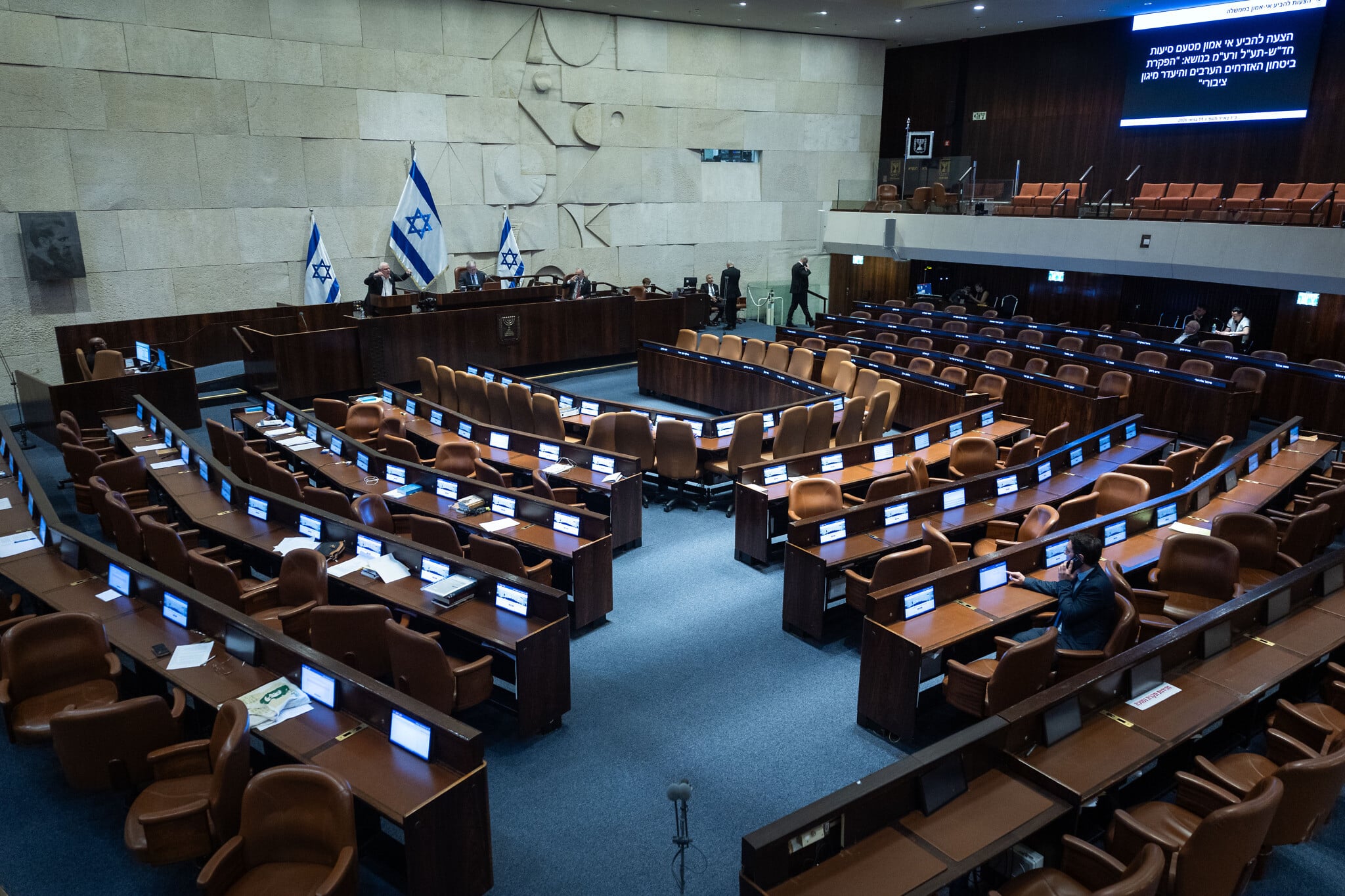
A general view of a plenum session at the Knesset in Jerusalem, May 11, 2026. (Yonatan Sindel/Flash90)
Prime Minister Benjamin Netanyahu’s coalition removes all its bills from the Knesset plenum’s agenda for today due to concerns it does not have a majority after a Haredi faction said yesterday it was no longer part of the bloc.
Lawmakers traditionally vote on bills in their preliminary readings on Wednesdays.
According to Hebrew media reports, the decision comes as a result of the announcement by the ultra-Orthodox Degel HaTorah party that it no longer considers itself part of Netanyahu’s bloc and will work toward dissolving the Knesset because of the coalition’s failure to pass legislation exempting yeshiva students from military conscription.
This, the Ynet news site reports, has led the coalition to question how fellow ultra-Orthodox party Shas will vote in the plenum, given that it has not yet responded to Degel HaTorah’s announcement.
Degel HaTorah is one of two factions, alongside the Hasidic Agudat Yisrael, which comprise the larger United Torah Judaism party. Speaking with The Times of Israel, a well-placed Agudat Yisrael source Tuesday indicated that they will support the dissolution of the Knesset should it come to a vote.
8 killed in 3 Israeli strikes on highway south of Beirut, Lebanon’s health ministry says
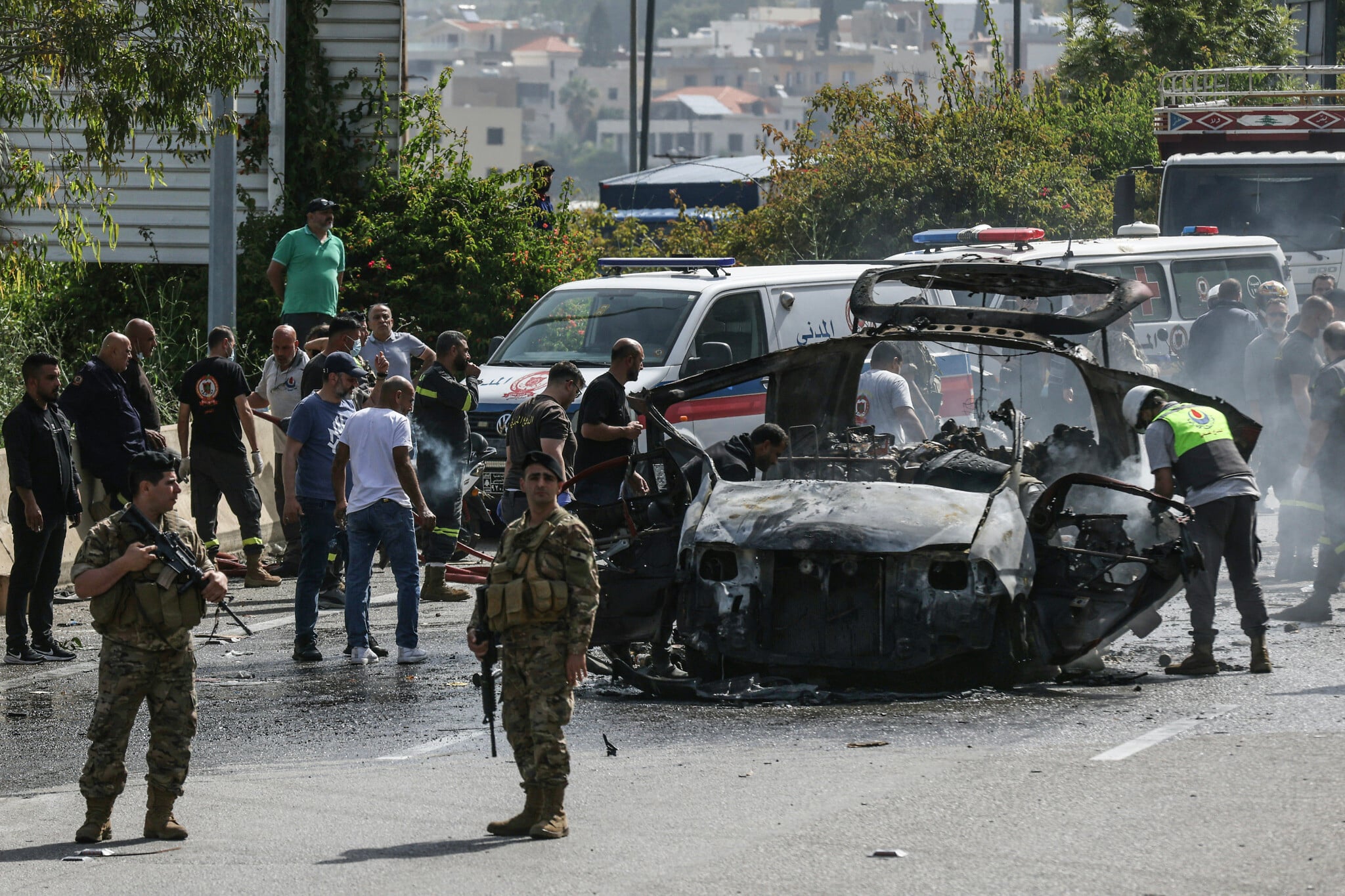
A vehicle targeted by an Israeli drone strike on a highway near the town of Jiyeh, south of Beirut, on May 13, 2026 (MAHMOUD ZAYYAT / AFP)
Israeli airstrikes killed eight people on a highway south of Beirut, Lebanon’s health ministry says, as fighting between Hezbollah and Israel continued on the eve of a third round of US-mediated talks between Lebanon and Israel.
The three separate airstrikes targeted vehicles on the coastal highway in an area around 20 km (12 miles) south of Beirut, security sources say.
It is unclear if those killed were Hezbollah operatives or civilians.
There is no comment from the Israel Defense Forces.
UAE puts 21 Lebanese citizens, organizations on terror list over alleged Hezbollah ties
The UAE has branded 21 Lebanese people and organizations as “terrorists,” ordering the freezing of their assets, as it accused them of ties to Hezbollah, the official Emirati news agency reports.
The United Arab Emirates, home to a large Lebanese community, was the main target of Iranian missile and drone attacks during the regional war sparked by US and Israeli strikes on the Islamic Republic.
The WAM agency publishes the names of 16 Lebanese nationals and five organizations that have been put on a list of supporters of groups designated as terror organizations.
“The United Arab Emirates has designated 21 individuals and entities on its Local Terrorist List over their links to Lebanon’s Hezbollah,” the agency says.
“All regulatory authorities are required to identify any individuals or entities connected through financial or commercial relationships with those listed, and to take the necessary measures in line with the applicable laws in the UAE, including freezing assets within less than 24 hours.”
In March, Abu Dhabi announced the arrest of five members of what it said was a “terrorist network” linked to Hezbollah and its backer Iran aiming to threaten the UAE’s financial stability.
The Lebanese terror group denied having any presence inside the UAE.
Palestinian reports: 16-year-old shot and killed when settlers, IDF troops raided West Bank village
Palestinian media outlets report that a 16-year-old was shot dead during an incident involving settlers, accompanied by Israel Defense Forces troops, in the village of Jaljilya near Ramallah in the West Bank.
Footage captures sounds of gunfire, but it remains unclear who shot the teenager.
There is no immediate comment from the IDF. It is unclear if the troops and settlers arrived in the Palestinian village together.
Earlier today, settlers reported that a herd of animals had been stolen from a nearby farm and said searches had begun to locate the missing livestock.
The settlers were filmed taking livestock from the Palestinian village while accompanied by the Israeli troops.
المستوطنون وجيش الاحتلال يسرقون مواشي المزارعين في قرية جلجليا غرب رام الله pic.twitter.com/kjam3ZKv2n
— شبكة قدس الإخبارية (@qudsn) May 13, 2026
#فيديو| مستوطنون بحماية قوات الاحتلال يسرقون قطيع من الأغنام في قريتي عبوين وجلجليا قضاء رام الله. pic.twitter.com/jkAxjfnnvC
— شبكة فلسطين للحوار (@paldf) May 13, 2026
King Charles III says UK government will take urgent action on antisemitism

Britain's King Charles III speaks as he sits besides Queen Camilla during the State Opening of Parliament at the Palace of Westminster in London, May 13, 2026.(AP Photo/Kirsty Wigglesworth, Pool)
King Charles III says the British government will take immediate action to tackle antisemitism.
“My government will take urgent action to tackle antisemitism and ensure all communities feel safe,” says the British monarch.
He makes the announcement as he delivers the British government’s legislative program for the coming year to lawmakers at the ceremonial opening of Parliament.
Britain’s Jewish community is facing soaring antisemitism, with authorities suggesting Iran may be behind some of the attacks.
British health secretary, an expected challenger to Starmer, preparing to resign – reports

Britain's Health Secretary Wes Streeting arrives at Downing Street to meet with the prime minister in central London on May 13, 2026. (Brook Mitchell / AFP)
Britain’s Health Secretary Wes Streeting, an expected challenger to Prime Minister Keir Starmer’s leadership, is preparing to resign, British media reports.
The reports by multiple outlets are sourced to allies of Streeting.
Earlier today Streeting arrived at Downing Street for a meeting with Starmer, which lasted less than 20 minutes.
Preliminary vote to dissolve Knesset not expected before next week, opposition source says
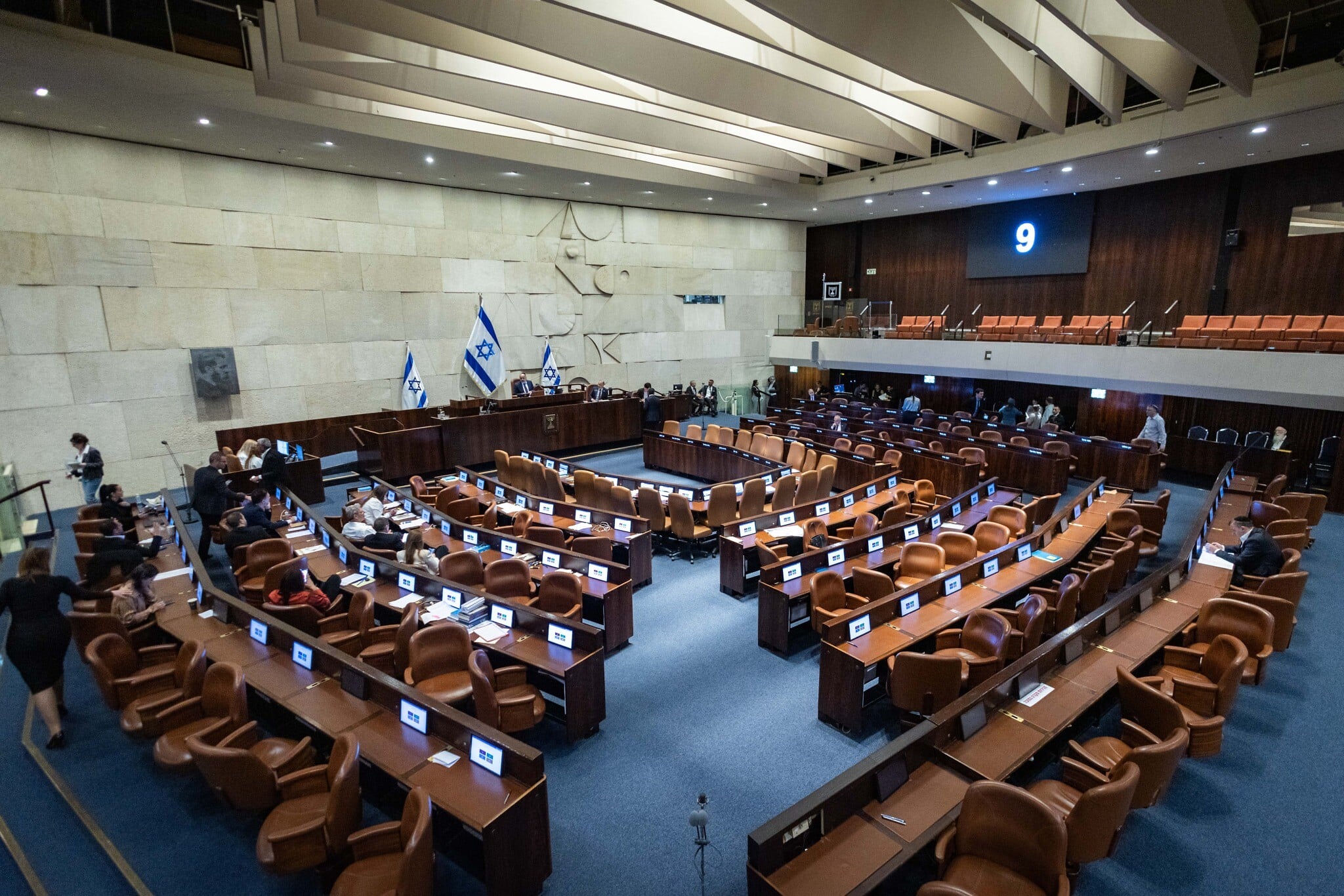
The Knesset plenum in Jerusalem, May 13, 2026. (Chaim Goldberg/Flash90)
A preliminary vote on dissolving the Knesset will not be held before next week at the earliest, despite opposition efforts to fast-track the legislation following a Haredi faction’s announcement yesterday that it would support early elections over the coalition’s failure to pass a draft exemption law, according to an opposition source with knowledge of the matter.
While opposition parties quickly submitted bills to dissolve the Knesset and urged Knesset Speaker Amir Ohana to hold a preliminary vote as early as today, the power to fast-track the legislation rests with Ohana, who has declined to do so, the source says.
Under Knesset procedures, bills must be submitted by Monday in order to be placed on the plenum agenda that same week. Since the opposition’s dissolution bills were submitted after this week’s deadline, the earliest a preliminary vote could take place is Monday, May 18, though Ohana will likely delay the vote until Wednesday that week, according to the source.
Even if the bill passes its preliminary reading, it would still need to undergo committee deliberations and clear multiple Knesset readings before becoming law, a process that could take weeks and be further stalled by the coalition which controls the committees where it would be discussed.
The speed of the process will largely depend on how much pressure the ultra-Orthodox parties place on Prime Minister Benjamin Netanyahu and the coalition.
“They could tell Netanyahu that if he doesn’t advance the bill, they’ll start voting with the opposition, passing opposition legislation and embarrassing the government until it moves forward,” the source says.
However, if the opposition thinks the Haredi parties will backtrack and refuse to support the measure, it will likely withdraw the legislation, the source says, since a bill to dissolve the Knesset can only be brought to a vote once every six months.
Elections are currently slated for October 27. If the Knesset votes to dissolve itself, elections must be held within five months of the vote, with the Haredi parties reported to prefer elections for September.
IDF says Hezbollah launched several drones that exploded near troops in south Lebanon; no injuries
Hezbollah launched several drones that exploded near Israeli troops in southern Lebanon in the past few hours, the military says.
Additionally, the IDF says two apparent drones were shot down by air defenses.
No injuries were caused in the incidents, according to the military.
Coalition bill to establish Oct. 7 probe has line removed calling for it to be ‘full, thorough and independent’
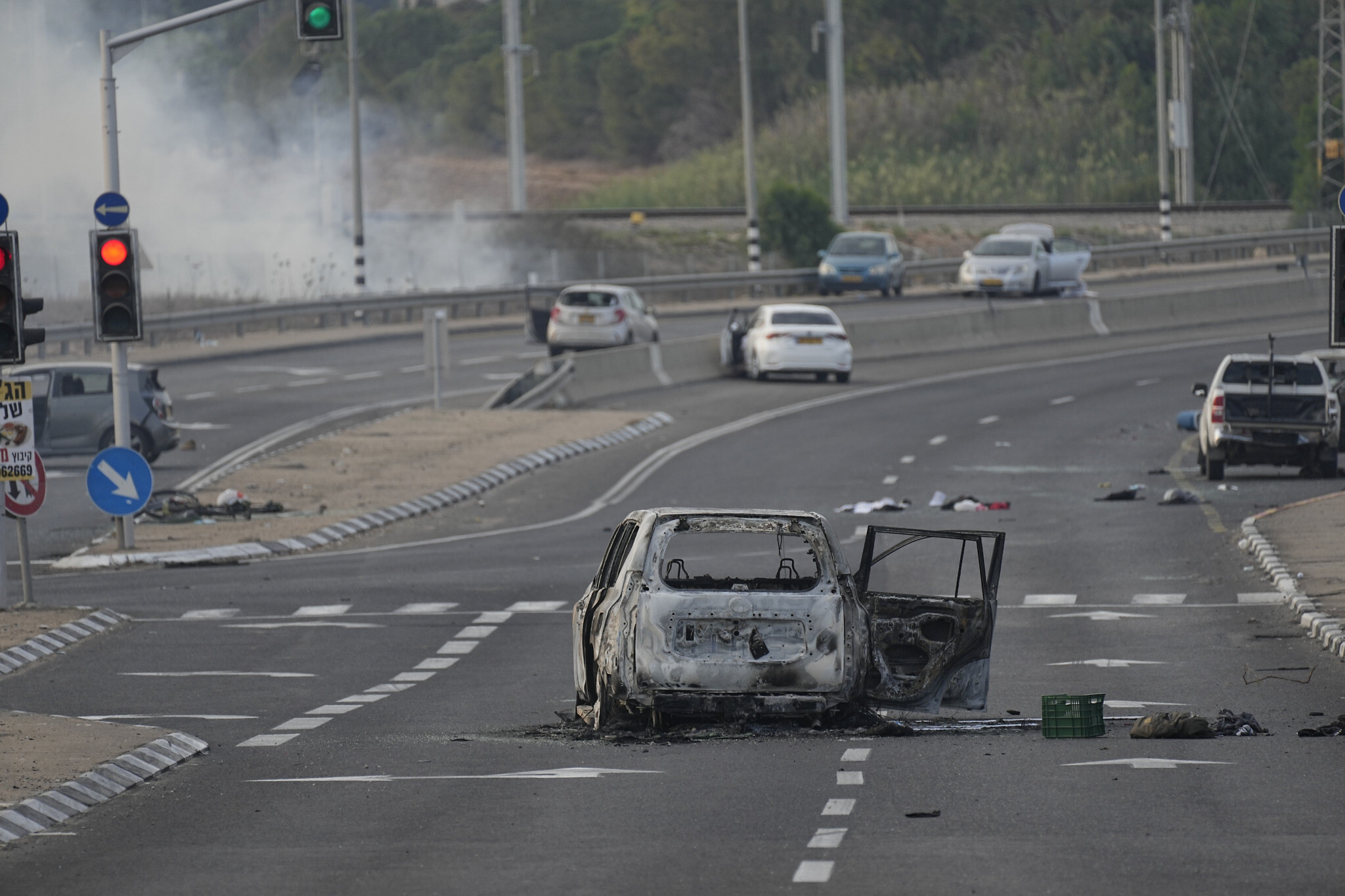
A car destroyed by Palestinian terrorists is seen at Shaar Hanegev Junction near Sderot, on October 7, 2023. (Ohad Zwigenberg/AP)
A revised draft of a controversial Likud bill to establish a politically appointed probe into the October 7 failures has had a line removed calling for the proposed probe to be “full, thorough and independent.”
Instead, MK Ariel Kallner’s bill states that the commission would be established in a manner that provides “for the best response to the difficult public dispute surrounding the identity of the body that appoints the committee members, by appointment by consensus or in an equal manner between both sides in the Knesset.”
Asked about the change, Kallner tells the Ynet news site that “the words were not deleted intentionally,” blaming their deletion on a “clerical error.”
However, he also apparently contradicted that statement, saying the new phrasing “is intended to clarify the purpose, which is to provide a response to the public controversy.”
In addition, the latest version of the legislation, which passed its preliminary reading in December, calls to exclude current and former High Court judges, attorney generals, officers over the rank of major general, Shin Bet chiefs and members of the national security cabinet from serving as members of the proposed inquiry.
The legislation is intended to establish a politically-appointed commission rather than an independent state commission of inquiry.
Prime Minister Benjamin Netanyahu has rejected such a committee because its members are selected by the judiciary, which he claims is biased against him. Netanyahu’s government has engaged in a years-long effort to weaken the court system.
Polls regularly show that most Israelis support a state commission of inquiry.
Mossad chief visited UAE at least twice during Iran war to coordinate on conflict – report
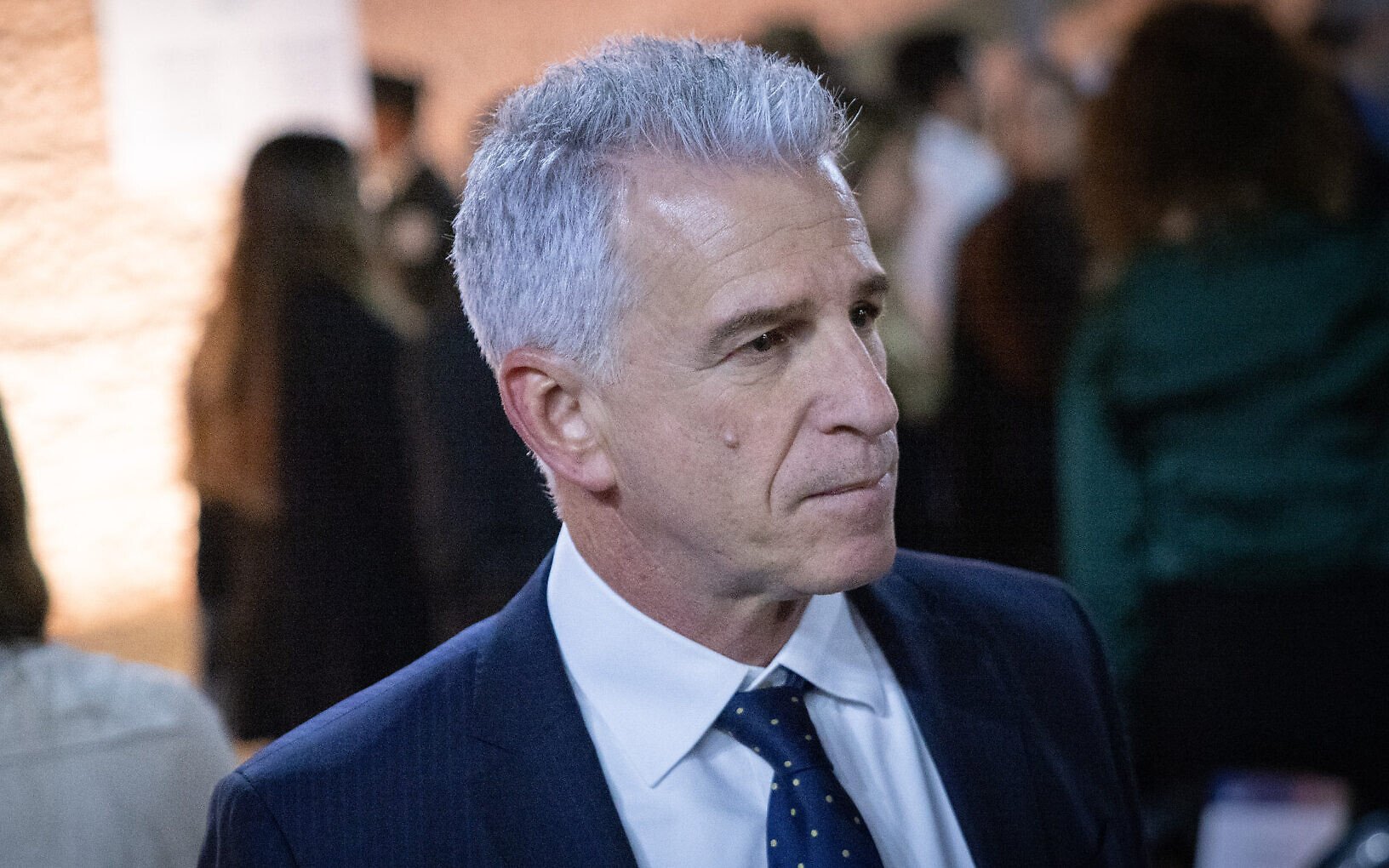
Mossad chief David Barnea attends a ceremony at the Yad Vashem Holocaust Memorial Museum in Jerusalem on April 23, 2025. (Chaim Goldberg/Flash90)
Mossad chief David Barnea visited the United Arab Emirates at least twice during the war with Iran to coordinate on the conflict, Arab officials and a source familiar with the matter tell The Wall Street Journal.
Barnea visited the Abraham Accords member country on two separate occasions, in March and April, according to the sources.
The visits are the latest reported signs of increased cooperation between the two countries during the war, including coordinated attacks on Iran, intelligence sharing, and selecting Iranian targets.
Israel also sent an Iron Dome battery and troops to operate it to the UAE.
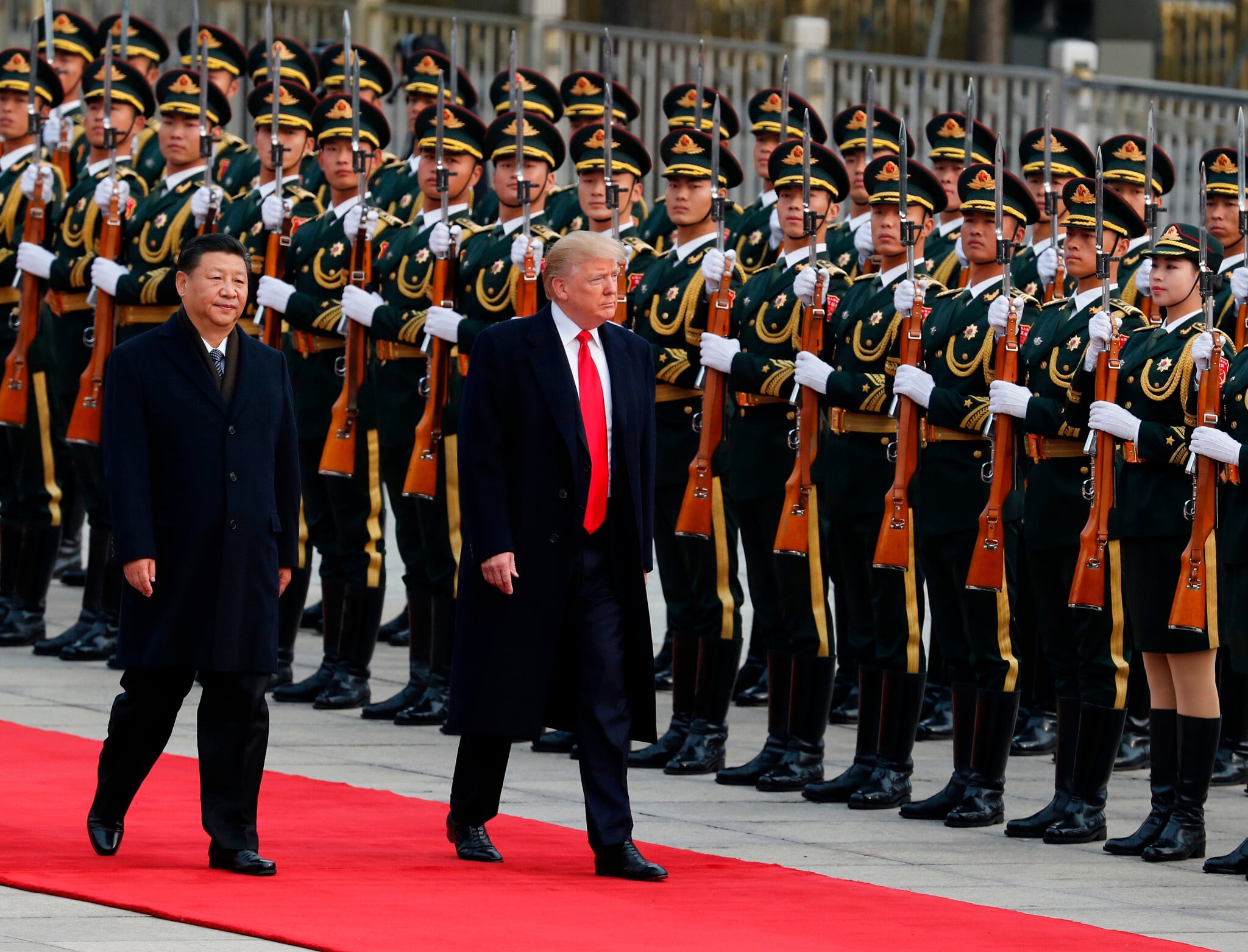
Trump lands in China for Xi summit with Nvidia CEO, Musk in tow
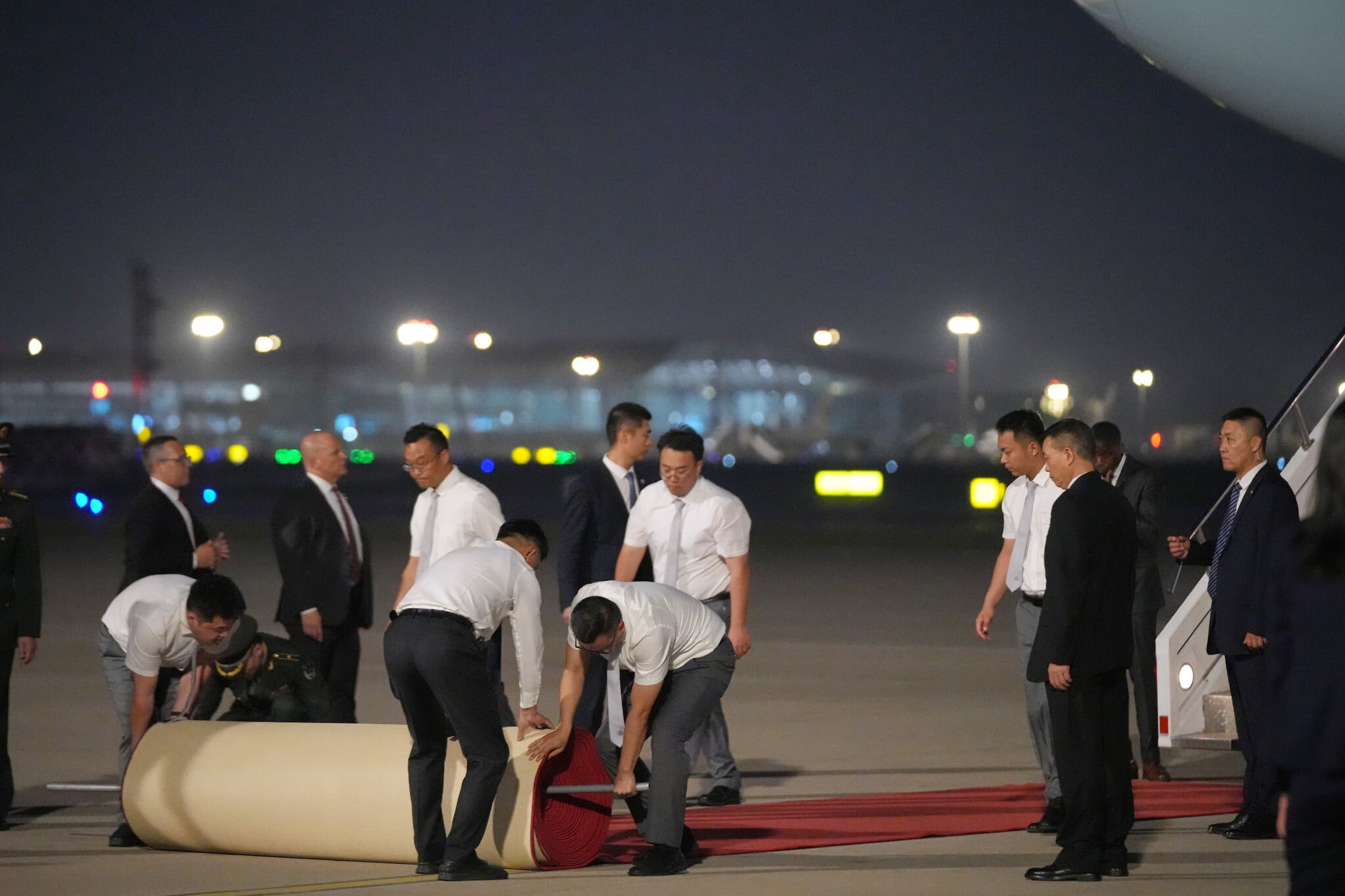
Workers roll out a red carpet as US President Donald Trump arrives on Air Force One, May 13, 2026, at Beijing Capital International Airport in Beijing (AP Photo/Mark Schiefelbein)
US President Donald Trump lands in Beijing accompanied by an entourage that includes Nvidia’s Jensen Huang and Elon Musk after pledging to urge China’s Xi Jinping to “open up” to US business at the start of their two-day summit.
Trump embarks on the first visit by a US president to China in nearly a decade eager to snag some deals, maintain a fragile trade truce with the world’s second economy, and prop up public approval ratings bruised by his war with Iran.
The CEOs accompanying Trump are drawn mainly from companies seeking to resolve business issues with China, such as Nvidia, which has struggled to get regulatory permission to sell its powerful H200 artificial intelligence chips there.
Trump asked Huang at the last minute to join the trip, says a source familiar with the matter who spoke on condition of anonymity, and he was spotted boarding Air Force One during a refueling stop in Alaska en route to Beijing.
Palestinian man to be indicted for killing settler in ramming terror attack in March
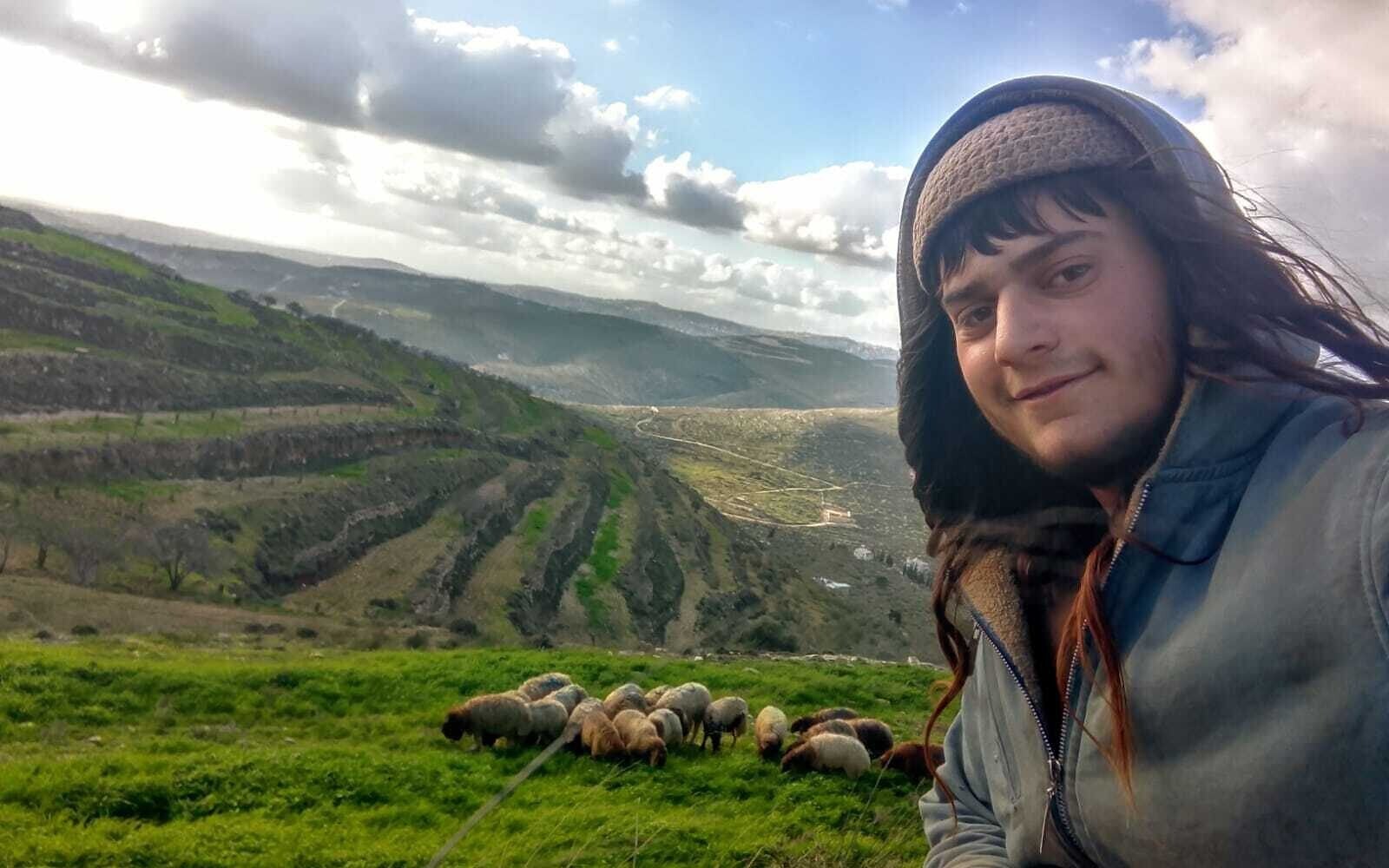
Yehuda Sherman. (Courtesy Samaria District Council)
Dawas Hassoun, a Palestinian man in his 50s, will be indicted for the fatal ramming of 18-year-old Yehuda Sherman in the West Bank in March, police and the Shin Bet announce, classifying the incident as a terror attack.
Sherman had been traveling in an ATV with two others in the Palestinian town of Beit Imrin, north of Nablus, on March 21.
Police allege that Hassoun, who lives in the town, intentionally hit the ATV with his truck.
The vehicle slid into a valley and Sherman was fatally wounded in the impact. The two other men — his older brother, Daniel, and the driver — were lightly injured.
Police began investigating the incident as a lethal car accident, but later announced that they were probing the possibility that it was nationalistically motivated.
“When the defendant noticed three Israelis traveling in the village at the time, he made up his mind to hurt them should they slow down,” the law enforcement agencies say in a statement. “After chasing them for a short time, the defendant intentionally rammed the Ranger [vehicle] the three were traveling in.”
Police additionally say they arrested Hassoun’s son after conducting a search of the family home and finding a submachine gun and hunting rifle in his possession. An indictment will also be filed against him in the next few days.
Sherman lived in the illegal settlement outpost of Shuva Yisrael Farms in the northern West Bank. He was conducting a “land patrol” that Saturday afternoon with the two other men. His brother, Daniel, lives in and runs the wildcat outpost, the Samaria District Council said at the time.
Germany’s Lufthansa group preparing to gradually resume Tel Aviv flights from June 1

Travelers are seen at Ben Gurion International Airport, near Tel Aviv, April 23, 2026. (Nati Shohat/FLASH90)
Germany’s Lufthansa airline group says it is preparing to gradually resume flights to and from Tel Aviv’s Ben Gurion Airport from June 1, having suspended them due to the US-Israel war against Iran and heightened regional tensions.
Initially, just Austrian Airlines and Lufthansa Cargo will restart their operations to and from Tel Aviv on June 1.
SWISS, ITA Airways, and Lufthansa are currently planning to resume flights as early as July 1, with Eurowings expected to return to Tel Aviv by mid-July.
Flight operations to Tel Aviv by Brussels Airlines will remain suspended through October 24.
“This decision was made after a comprehensive security and safety assessment,” Lufthansa says in a statement.
Lufthansa’s announcement comes a day after the European Union’s Aviation Safety Agency softened a recommendation to avoid the airspace over Israel and other parts of the region.
JPMorgan executive open to talks with France’s far-right National Rally

French far-right National Rally party's President Jordan Bardella (L) and president of its parliamentary group Marine Le Pen arrive ahead of a meeting with France's prime minister as part of political consultations at the Hotel de Matignon in Paris, September 2, 2025. (Bertrand GUAY / AFP)
JPMorgan is open to engaging with France’s far-right National Rally (RN) ahead of next year’s presidential election, a senior regional executive at the US bank says, as large companies reassess how they deal with a party gaining in the polls.
Matthieu Wiltz, co-CEO of JPMorgan’s Europe, Middle East and Africa region, told reporters at a conference yesterday that he was willing to speak with all political parties when asked specifically about RN.
“We try to have dialogue with all of (the political parties). I’m happy to talk to anyone,” he says. “I really want to explain why it’s important to have strong banks and strong European corporates, and why that would benefit France in the long term — and the European Union as well.”
For years, blue-chip companies largely avoided engaging with the RN, but with polls suggesting it could win the 2027 election, many are now trying to better understand and influence its economic agenda.
National Rally president Jordan Bardella met the country’s leading employer federation last month.
Earlier in April, Marine Le Pen, the long-time leader of the RN and a three-time presidential candidate, attended a dinner in Paris with several of France’s most prominent executives, including the chiefs of oil major TotalEnergies and luxury group LVMH, sources say.
Despite this outreach, the RN has yet to fully win over much of France’s corporate establishment, where executives remain cautious about its shifting economic positions.
Zamir: ‘The campaign is not over,’ IDF ready to return to fighting on all fronts
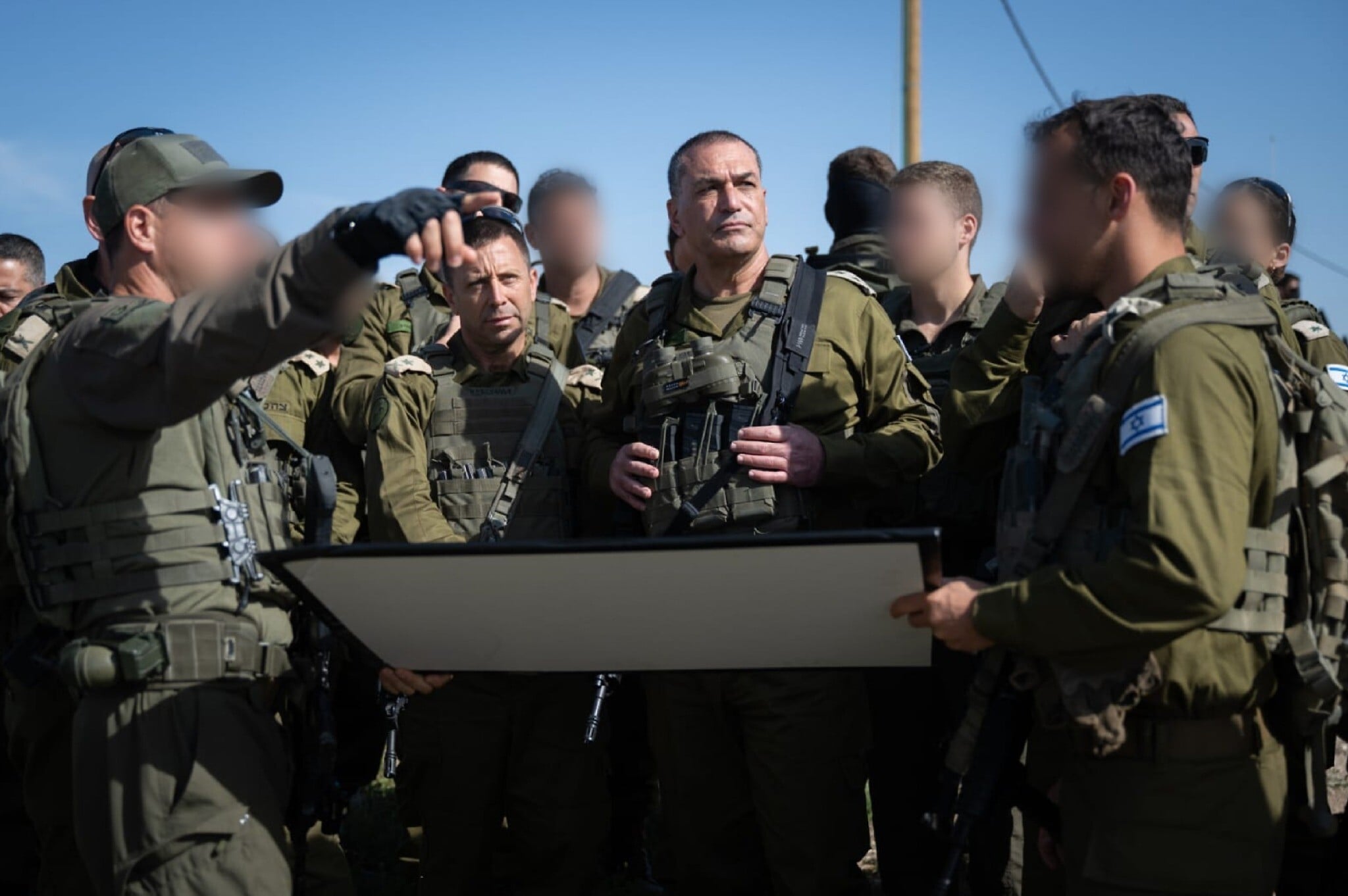
IDF Chief of Staff Lt. Gen. Eyal Zamir (center) is seen with officers in the West Bank on May 13, 2026. (Israel Defense Forces)
During a visit to the West Bank today, IDF Chief of Staff Lt. Gen. Eyal Zamir says the military is ready to return to fighting on all fronts.
“The campaign is not over. The IDF is prepared to resume fighting if required and remains in constant readiness and alertness in defense and offense, from Judea and Samaria [West Bank] to Tehran,” he is cited as saying in a statement.
Herzog calls on Netanyahu to accept his proposal for plea bargain talks
President Isaac Herzog calls on Prime Minister Benjamin Netanyahu’s legal team to join talks over a plea bargain for the premier’s corruption trial.
Last month, Herzog proposed that he mediate negotiations over a plea deal between Attorney General Gali Baharav-Miara and Netanyahu’s lawyers. The attorney general agreed to enter such discussions without preconditions earlier this month.
Netanyahu’s legal team has yet to respond to the proposal. Herzog’s statement, which doesn’t mention Netanyahu by name but calls on his team to accept the offer.
“Once one side has said it is willing to come into the room, I also expect the other side to come into the room,” says Herzog at the President’s Conference for a Shared Israeli Future.
Herzog says he has called for dialogue and “an arrangement” over Netanyahu’s trial, “because I truly believe that in these weighty issues, which scorch the heart of Israeli society and divide it, the right path, as much as possible, is to reach understandings and agreements—and I believe in understandings and agreements.”
IDF conducts strikes on Hezbollah arms depots, primed rocket launchers in Lebanon
The IDF says it has completed a wave of airstrikes against Hezbollah sites in southern Lebanon.
The targets included weapon depots, primed rocket launchers, and other infrastructure belonging to the terror group, the army says.
Ahead of the strikes, the military issued evacuation warnings for seven villages in southern Lebanon.
The IDF says it has completed a wave of airstrikes against Hezbollah sites in southern Lebanon.
The targets included weapon depots, primed rocket launchers, and other infrastructure belonging to the terror group, the army says. https://t.co/y9sTrdc1oD pic.twitter.com/KOwfNkwLN4
— Emanuel (Mannie) Fabian (@manniefabian) May 13, 2026
Israeli nabbed in Amsterdam for allegedly mailing packages with drugs to Israel
An Israeli citizen living in Amsterdam has been arrested by Dutch police on suspicion of mailing packages of drugs to Israel, the Israel Police announces.
The man, 32, is a suspected member of a “sophisticated and well-organized smuggling network” responsible for trafficking “large amounts of drugs from across Europe into Israel and other countries,” police say.
The contraband was concealed with “advanced and deceptive methods, attesting to a high level of planning, coordination and operational capability,” police add.
The man’s arrest is part of an investigation that has been ongoing for several months, conducted jointly by the Dutch and Israeli police. Arrests of additional suspects in Europe and Israel are anticipated.
Senior IDF officer suspended following sexual harassment complaint
A senior IDF officer has been suspended following a complaint of sexual harassment filed by a female officer who served with him.
The Military Police has launched an investigation into the officer, who holds the rank of colonel and serves in the military’s C4I and Cyber Defense Directorate.
The IDF says the findings of the investigation will be forwarded to the Military Advocate General Corps for review and possible charges.
“In light of the investigation, the officer was suspended from his position by his commanders,” the military says.
The IDF adds that it views sexual harassment in the army “gravely” and will “continue to act decisively to eradicate any such phenomenon.”
4 ejected from Eurovision amid protests during Israel’s performance, organizers say

Noam Bettan from Israel performs the song 'Michelle' during the first semifinal of the 70th Eurovision Song Contest in Vienna, Austria, May 12, 2026. (AP/Martin Meissner)
Four people were thrown out of the first Eurovision Song Contest semi-final amid attempts to disrupt Israeli singer Noam Bettan’s performance, the competition’s organizers say.
As Bettan began his performance of the song “Michelle” during yesterday’s live show, a protester could be heard shouting “Stop, stop the genocide,” and “Free, free Palestine.”
In a joint statement, Austrian host broadcaster ORF and the European Broadcasting Union say: “An audience of 10,000 fans in the Wiener Stadthalle at the first semi-final of the 70th Eurovision Song Contest in Vienna greeted every artist enthusiastically. ORF is broadcasting a clean audio feed live from audience microphones before and during every performer’s song.”
The statement adds, “One audience member, close to a microphone, loudly expressed their views as the Israeli artist began his performance, and during the song, which was heard on the live broadcast. They were later removed by security for continuing to disturb the audience. Three other people were also removed from the arena by security for disruptive behavior.”
Asked shortly before the semi-final whether Eurovision had plans to lower the crowd volume on the broadcast in case there were attempts to disrupt Israel’s performance, executive producer Michael Kroen had insisted: “The crowd volume will be the same for all the contestants.”
Bettan made the contest’s final following his performance yesterday.
UN force in Lebanon accuses Hezbollah of drone attack that damaged its HQ
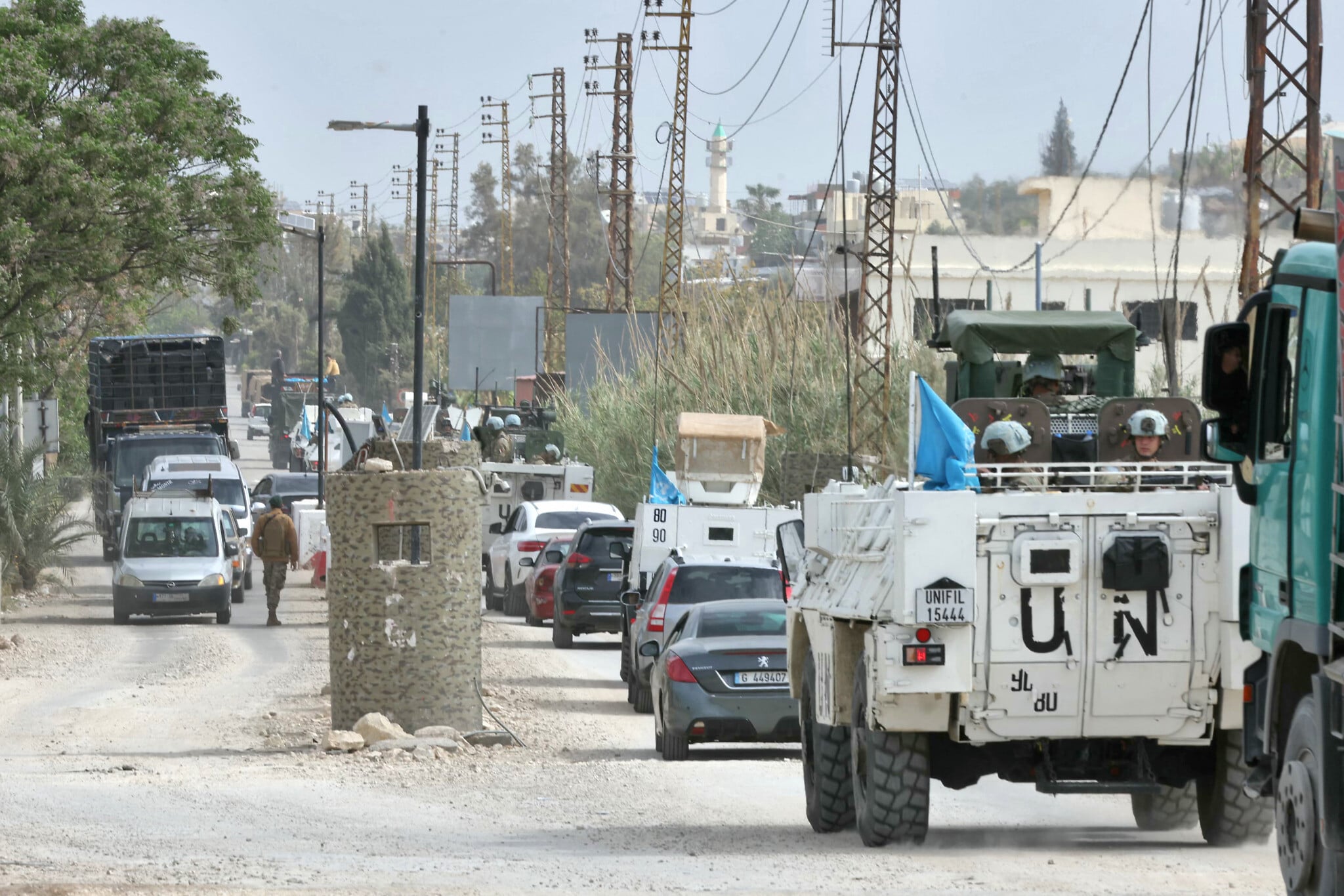
French contingent vehicles serving with the United Nations Interim Force in Lebanon (UNIFIL) cross the Qasmiyeh Bridge heading toward Sidon and Beirut, on April 19, 2026. (MAHMOUD ZAYYAT / AFP)
The UN Interim Force in Lebanon says it has come under several Hezbollah drone attacks in recent days, including one that caused damage to its headquarters in southern Lebanon.
On Monday, three “presumed” Hezbollah drones exploded “within meters” of UNIFIL’s Naqoura headquarters, where IDF soldiers “could have been present,” the observer force says.
Yesterday, another drone exploded in the area, outside the headquarters, and minutes later, a “presumed” Hezbollah drone “detonated inside UNIFIL’s Naqoura headquarters,” it says.
UNIFIL says “no one was injured, but some buildings were damaged.”
On Sunday, another drone crashed in the Naqoura headquarters. UNIFIL says the drone was not armed, and “preliminary findings indicate it is of Iranian manufacture,” meaning it was likely launched by the Tehran-backed Hezbollah.
Last week, on May 5, an armed fiber optic-guided drone, “presumably” launched by Hezbollah, crashed through the roof of a building at a UN position near the town of al-Hanniye, the force says. According to UNIFIL, the drone did not explode, and no injuries were caused.
UN food agency halves Syria food aid, halts bread subsidy over funding shortages
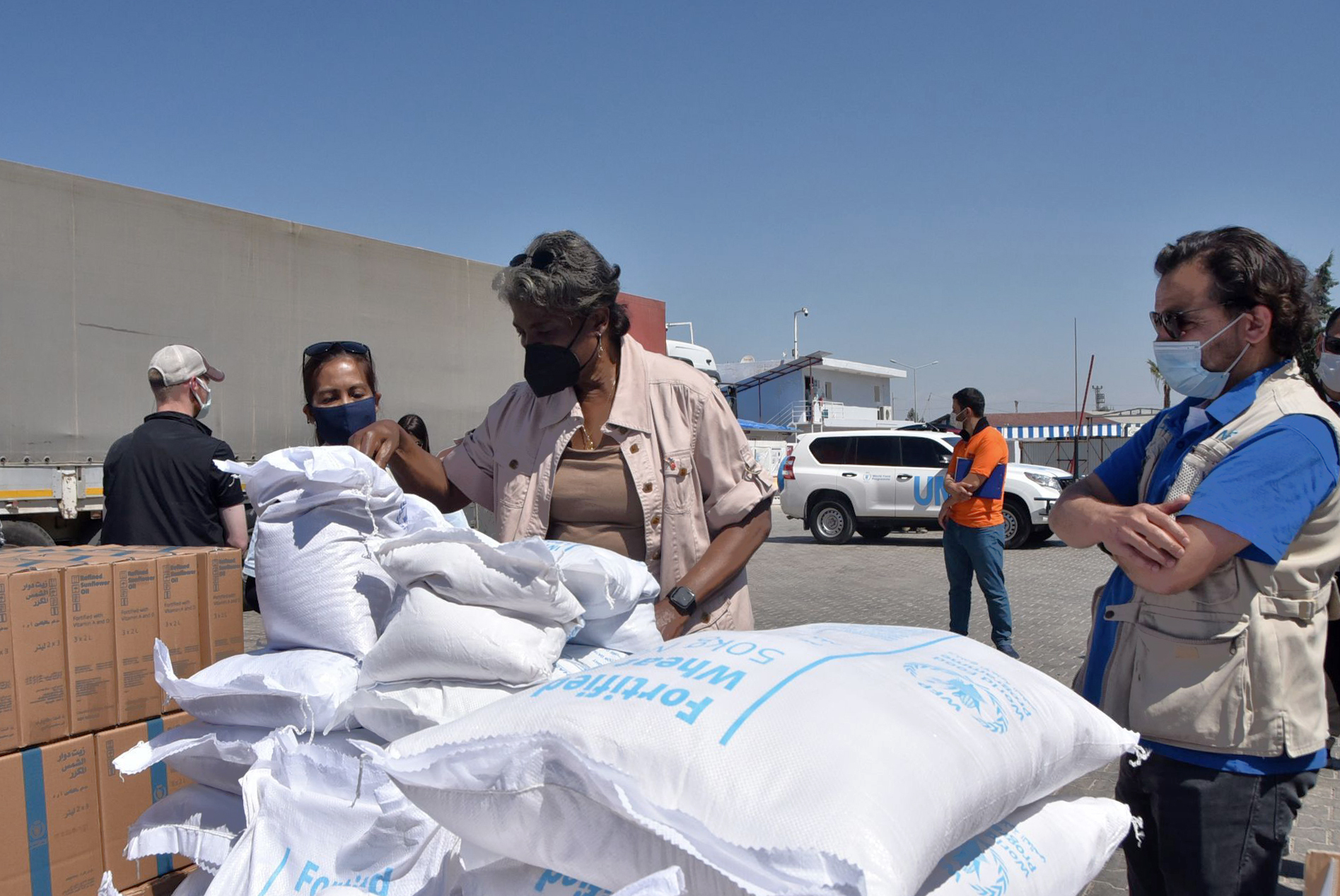
Illustration: Linda Thomas-Greenfield, US Ambassador to the United Nations, examines aid materials at the Bab al-Hawa border crossing between Turkey and Syria, June 3, 2021. (US Embassy in Turkey via AP, File)
The World Food Program says it has halved emergency food assistance in Syria due to funding shortages, warning that millions remain vulnerable despite signs of stabilization in parts of the country.
The UN agency’s biggest donor, the United States, has slashed its foreign aid under President Donald Trump, and other countries have also made or announced cuts in development and humanitarian assistance.
The WFP says in a statement that the number of people receiving emergency food aid in Syria fell to 650,000 this month from 1.3 million, while scaling back operations in all 14 Syrian governorates to just seven.
Meanwhile, 7.2 million people in Syria remain acutely food insecure, including 1.6 million facing severe hunger, the WFP says. Many households were already reducing meal portions, eating less nutritious food, or skipping meals altogether, it adds.
“The reduction in WFP’s assistance is driven solely by funding constraints, not by a decrease in needs,” Marianne Ward, the WFP’s country director in Syria, says in the statement.
The WFP also halts a bread subsidy program that supported more than 300 bakeries with fortified wheat flour, helping provide subsidized bread to up to four million people daily in some of Syria’s most vulnerable areas.
The WFP says it requires $189 million between June and November to sustain and restore assistance inside Syria.
It says funding shortages are also affecting Syrian refugees in neighboring countries.
In Jordan, the agency halts cash-based food assistance for 135,000 Syrian refugees living in host communities, while maintaining reduced support for around 85,000 refugees in camps. In Egypt, support for 20,000 Syrians has been reduced, while many refugee households in Lebanon remain heavily dependent on aid.
Coalition said preparing its own bill to dissolve Knesset, trigger elections
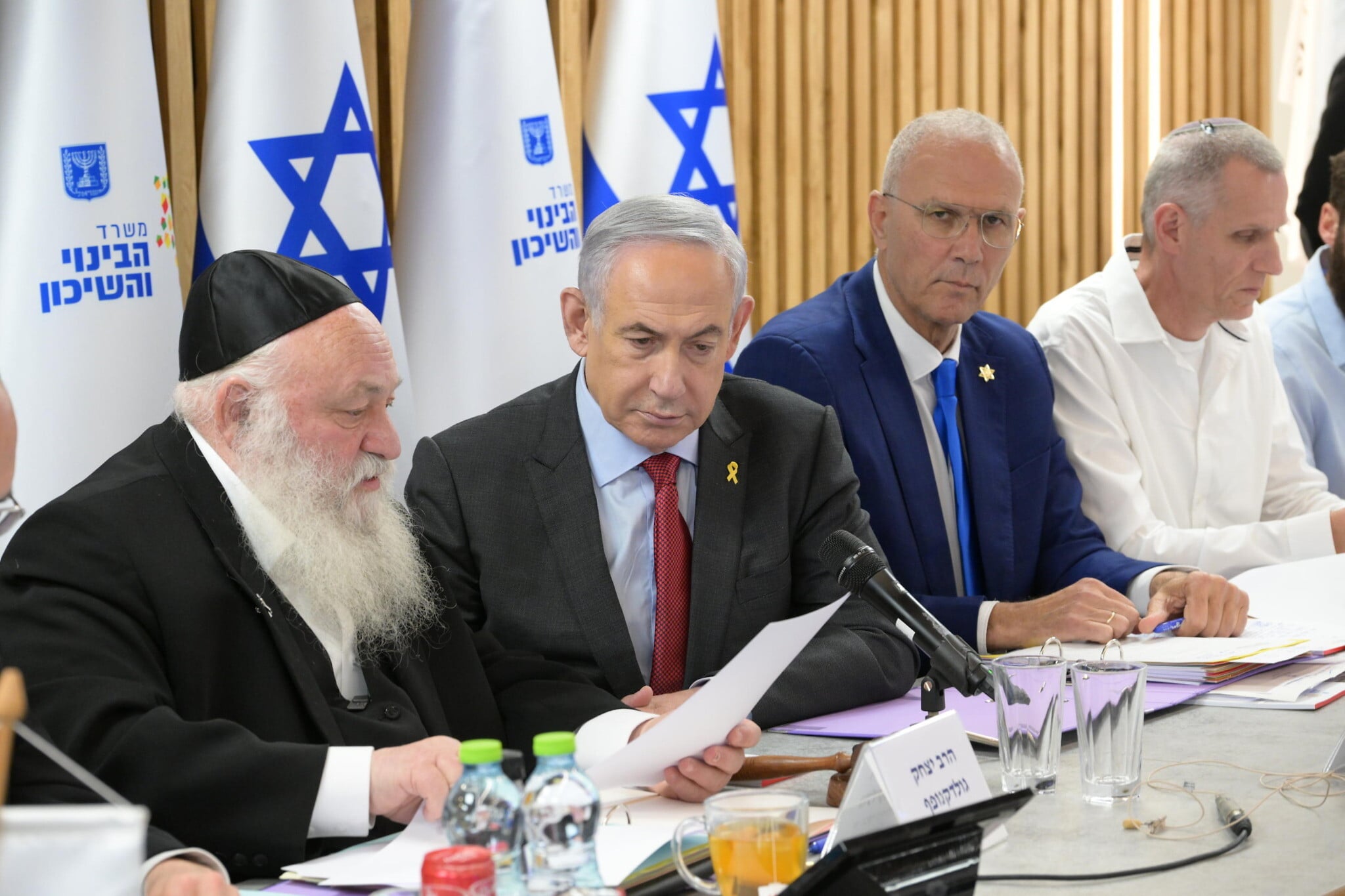
Head of the UTJ party Yitzhak Goldknopf (left) in a meeting with Prime Minister Benjamin Netanyahu, March 20, 2026. (Amos Ben Gershom/GPO)
Prime Minister Benjamin Netanyahu’s governing coalition is preparing to submit its own bill to dissolve the Knesset as early as next week, according to Hebrew media reports, a move that would trigger elections.
The reported step comes after opposition parties submitted their own bills to dissolve the parliament, after Haredi faction Degel HaTorah announced yesterday that it has lost faith in Netanyahu and is calling for early elections.
Elections are currently slated for October 27.
The coalition is submitting its own bill to dissolve the Knesset so that it can control both the legislative process and the timing of the vote, according to reports, which suggest that ultra-Orthodox parties are more likely to support a coalition-backed bill than one from the opposition.
If lawmakers ultimately vote to dissolve the Knesset, elections must be held within five months of the vote. The Haredi parties reportedly favor an election in early September.
Wizz Air to resume routes to and from TLV beginning May 28
Hungarian low-cost carrier Wizz Air will resume flight operations to and from Tel Aviv’s Ben Gurion Airport starting May 28.
“As Europe’s reliable airline and Israel’s number one low-cost airline, we are thrilled to confirm our return to Tel Aviv,” says Wizz Air Chief Commercial Officer Ian Malin. “The safety and security of our passengers and crew remain our top priority, and we have taken a cautious and measured approach to this decision.”
Wizz Air says the decision follows yesterday’s update from the European Union Aviation Safety Agency (EASA) softening its recommendation against operating in Israeli airspace.
“The airline will continue to monitor developments closely and remains in regular contact with aviation safety agencies, security authorities, and governmental bodies,” Wizz Air says.
Wizz Air suspended flight services after Israel’s airspace was shut to foreign airlines on February 28, when the US-Israeli war with Iran began.
Meeting PM, Gaza Board of Peace envoy says truce holding but ‘far from perfect,’ Hamas can remain as political party
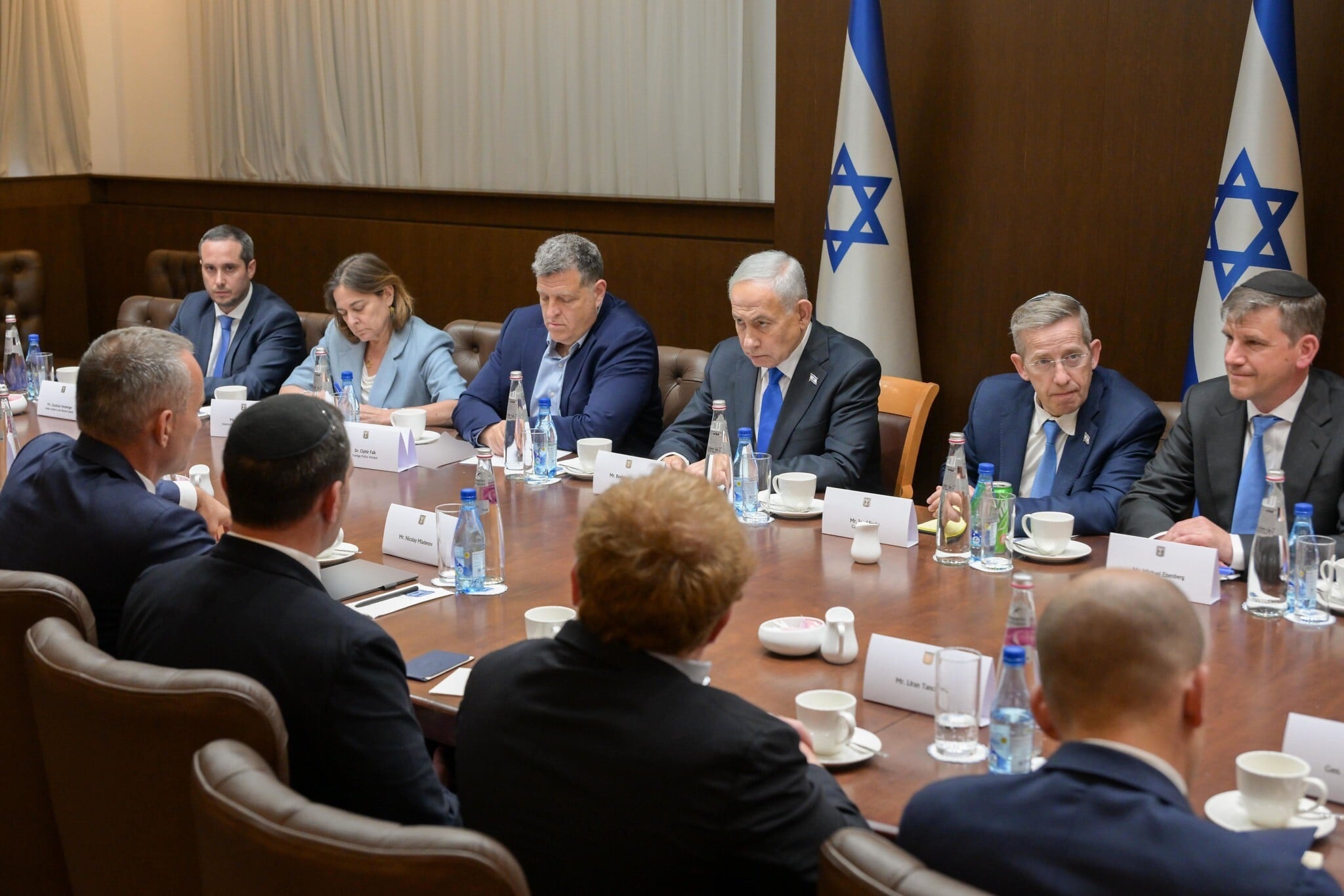
Prime Minister Benjamin Netanyahu meets with Gaza Board of Peace envoy Nickolay Mladenov in Jerusalem on May 13, 2026 Foreign policy aide Caroline Glick is seated second from the left. (Maayan Toaf/GPO)
Prime Minister Benjamin Netanyahu meets with the Board of Peace point man for Gaza Nickolay Mladenov, who is visiting Israel again after holding a meeting with the premier last week.
Mladenov described the last meeting as “positive and substantive,” with both sides reaffirming their commitment to US President Donald Trump’s 20-point plan for postwar Gaza, amid ongoing disarmament talks with Hamas. Currently, the enclave’s territory is roughly split between Israeli and Hamas control.
The Board of Peace, tasked with overseeing the management of postwar Gaza, gave Hamas until April 11 to accept its proposal for it to gradually hand over all of its arms, but Hamas has largely refused the demands.
Instead, the terror group submitted a counteroffer to the Board of Peace, insisting that the issue of its weapons only be addressed as part of a framework culminating in the establishment of a Palestinian state, a prospect that is a nonstarter for the Israeli government.
Mladenov says Hamas is not being asked to “disappear as a political movement” but must disarm. He also says clearing the rubble from Gaza will take “a generation of work.”
“We have a ceasefire. It is holding. It is not perfect. It is far from perfect. There are violations every day, and some of them are very serious,” says Mladenov during a press conference.
He adds, “We are asking the political leadership of those who govern Gaza now to step aside. This is required by the Security Council resolution in the 20-point plan.”
“We are not asking Hamas to disappear as a political movement,” he says during the meeting. “A political party that disavows armed activity can compete in national Palestinian elections. What is not negotiable, however, is that armed factions or militias… can exist alongside a transitional Palestinian authority.”
He also criticizes Hamas for consolidating power in parts of Gaza under its control, saying it hopes “to squeeze better terms of a negotiation.”
IDF says one dead, several wounded from troops’ fire in Palestinian village, after reports of teen being killed
The IDF says troops opened fire on Palestinian rioters in the West Bank village of Jaljilya earlier today, killing one person and wounding several others, after Israeli settlers raided the village.
Palestinian media reported earlier that a 16-year-old was shot dead there.
The military says that troops and Border Police officers were dispatched to Jaljilya, near Ramallah, following reports that a group of settlers had entered the village to search for a herd of sheep that was allegedly stolen from an illegal settler outpost constructed in Area A of the West Bank, which is governed by the Palestinian Authority.
When the forces arrived, the army says, they worked to escort all of the Israelis out of the village, “prevent confrontations,” and also take out the stolen livestock.
The IDF says several of those suspected of stealing the herd were detained and handed over to the police for questioning.
As the troops left the village, “a violent riot developed, which included stone throwing,” the military says, adding that troops responded with riot dispersal means and live fire at “main instigators.”
The IDF says it is aware that “several suspects” were wounded and one person was killed “by the forces’ gunfire.” It says the incident is under further investigation.
France probing if Israeli firm BlackCore interfered in elections, sources tell Reuters

Leader of left-wing party La France Isoumise (LFI), part of left-wing coalition Nouveau Front Populaire (NFP), Jean-Luc Melenchon (C) delivers a speech after the results of the first round of parliamentary elections are announced at La Faiencerie in Paris on June 30, 2024. (Dimitar DILKOFF / AFP)
French authorities are examining whether a foreign interference campaign aimed at a hard-left party ahead of March’s municipal elections was carried out at least in part by an obscure Israeli firm called BlackCore, three sources familiar with the matter tell Reuters.
French intelligence agencies are now investigating who may have commissioned the alleged BlackCore campaign to smear three France Unbowed candidates in a campaign that included deceptive websites and social media accounts alleging criminal behavior, as well as disparaging digital ads, two of the sources say.
Reuters could not independently establish who was behind BlackCore, verify where it was based, or find any reference to the company in Israeli corporate records.
BlackCore did not respond to repeated messages sent via a contact form on its website and its LinkedIn page – both of which were subsequently taken offline.
French prosecutors either did not return messages or declined comment about BlackCore’s alleged activities. Viginum, a disinformation detection service within the French prime minister’s office, also declined to comment.
BlackCore describes itself on its website and LinkedIn page as “an elite influence, cyber, and technology company built for the modern era of information warfare.” It said it provided governments and political campaigns with “cutting-edge strategies, advanced tools, and robust security to shape narratives.”
The reported operation targeted Marseille mayoral candidate Sébastien Delogu, Toulouse contender François Piquemal and their Roubaix counterpart David Guiraud, according to French authorities and the candidates themselves.
Its broad outlines were first exposed by newspaper Le Monde in March, when Viginum revealed a “foreign digital interference” scheme with “limited” reach targeting a “French political party” and its candidates in Marseille, Toulouse and Roubaix.
Polls show France Unbowed – an anti-Israel party known by its French acronym LFI – divides opinion.
The party is regularly accused of antisemitism by some Jewish community leaders and political rivals – claims it denies – while many business figures fret about its high tax-and-spend policies.
Israel’s Foreign Ministry tells Reuters it was not aware of BlackCore. It did not address the question of whether the French government had been in touch over the election interference allegations. France’s foreign ministry did not respond to requests for comment.
Times of Israel staff contributed to this report.
IDF: Son of top Hamas negotiator killed in Gaza strike along with terrorist who raided base on Oct. 7

Hamas terrorist Hamza Sharbasi is seen at the IDF's Nahal Oz base during the October 7, 2023, onslaught, in a photo released by the IDF on May 13, 2026. (Israel Defense Forces)
A Hamas terrorist who participated in the raid on the military’s Nahal Oz base during the October 7, 2023, onslaught was killed in an airstrike in the Gaza Strip last week, the IDF announces.
The IDF says the strike last Wednesday had targeted Hamza Sharbasi, a commander in Hamas’s Shejaiya Battalion, who had posed a threat to Israeli troops in Gaza. While not the target, the strike also killed Azzam al-Hayya, the 23-year-old son of Hamas’s chief negotiator Khalil al-Hayya.
According to the military, Azzam al-Hayya was a member of Hamas’s elite Nukhba Force, “who recently held a central role in the organization.”
The IDF says Sharbasi took part in the attack on the Nahal Oz base on October 7, where dozens of soldiers were killed and abducted.
“Recently, Sharbasi operated near the yellow line and, in the framework of his role, worked to advance terror plots against IDF troops operating in the area,” the military says.
President of military court who was accused of sexual harassment steps down, won’t face charges
The president of a military court who was accused of sexual harassment recently resigned from the IDF in an apparent deal that will see him avoid criminal charges.
The military confirms that the colonel will not face charges, “since the officer compensated the victim of the offense, and in light of his retirement and his commitment to take responsibility for his actions.”
The IDF says that “the officer retired from his position as a military judge and from the IDF.”
However, he will still face disciplinary proceedings, according to the military.
Gulf countries arrest over 100 Shiites for treason amid Iran war — NYT report
Gulf nations have arrested more than 100 Shiites and accused them of treason, The New York Times reports, after the countries came under heavy attack from the Shiite-led Iran during the recent war.
Those arrested are accused of loyalty to Iran, according to the report. The arrests have taken place in the United Arab Emirates, Kuwait and Bahrain, it says.
The cases are generally opaque, the report says, with trials mostly closed to press and counterterrorism laws often covering political dissent.
Among the arrests, Kuwait has said it nabbed three cells of the Iran-backed Hezbollah terror group, including one seeking to assassinate Kuwait’s leaders, the report says.
Dozens more Shiite suspects have been arrested in Bahrain and the UAE, says the Times.
Jury deliberations begin in Harvey Weinstein’s rape retrial in New York
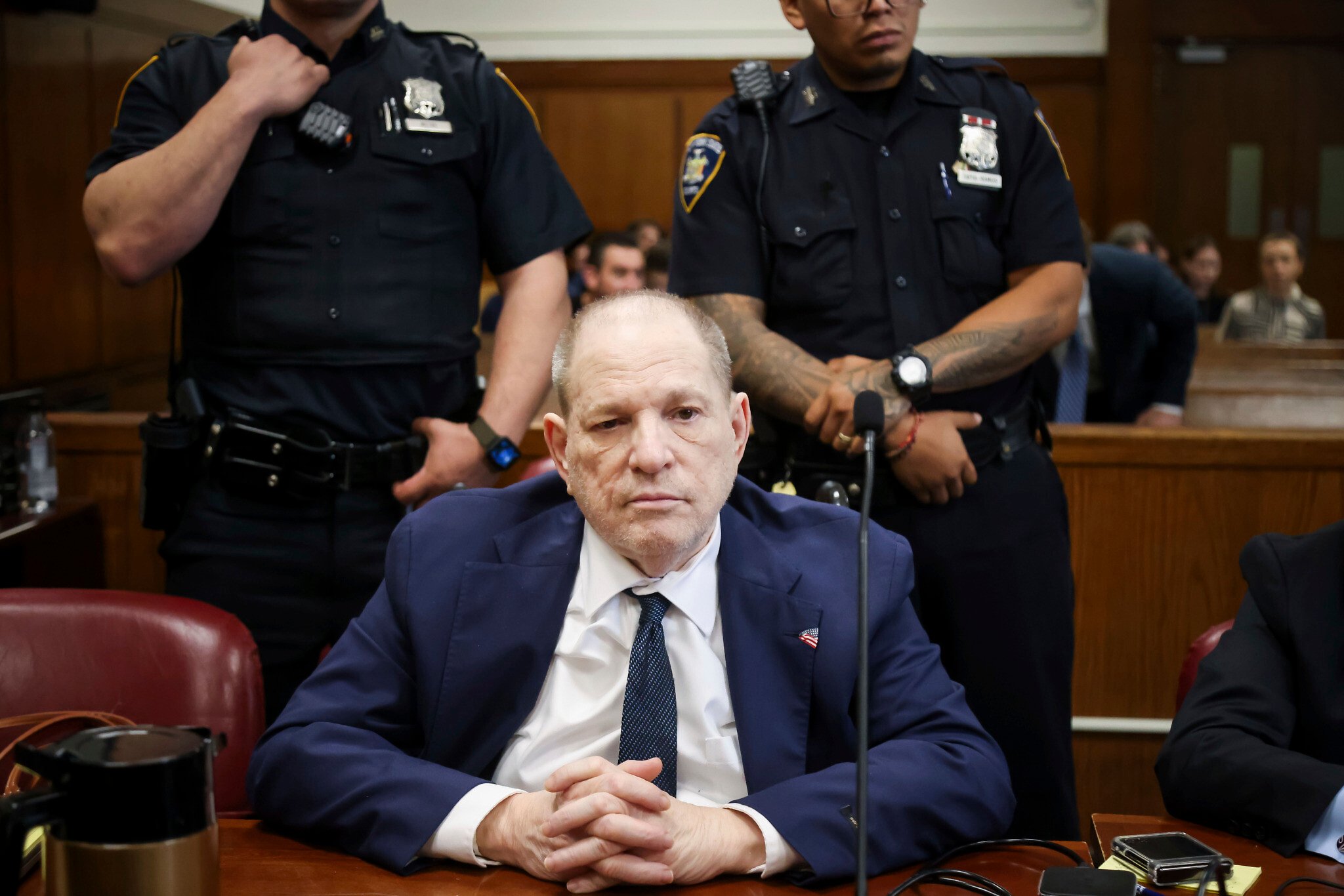
Harvey Weinstein appears at Manhattan criminal court in New York, June 10, 2025. (Michael Nagle/Pool Photo via AP)
Jurors start deliberating in Harvey Weinstein’s rape retrial, weighing an unresolved piece of a case that epitomized the #MeToo movement.
The jury is tasked with deciding whether the former movie mogul raped hairstylist and actor Jessica Mann in a Manhattan hotel on March 18, 2013.
Mann, 40, testified that the two had a consensual relationship, but that Weinstein subjected her to unwanted sex that day after she repeatedly said no.
Lawyers for Weinstein, 74, have maintained that the encounter was consensual, and they have emphasized that Mann continued seeing Weinstein afterward and expressing warmth toward him. Mann has said she was mired in complicated feelings about him, herself and what had happened and that she was “normalizing everything.”
Her viewpoint changed in 2017, when a series of sexual misconduct allegations against the Oscar-winning Weinstein propelled the #MeToo campaign to hold people — especially powerful men — accountable for sexual misbehavior. Weinstein has said he “acted wrongly” but never assaulted anyone.
Some of those accusations later generated criminal convictions against Weinstein in New York and California.
An appeals court overturned his 2020 New York conviction on charges that involved Mann and another accuser. At a retrial last year, jurors failed to reach a verdict on Mann’s portion of the case, leading to a second retrial this year. He is charged with one count of rape in the third degree.
The current jury heard nearly three weeks of testimony, five days of it from Mann. Weinstein decided not to testify.
Iran frees prominent human rights lawyer Nasrin Sotoudeh on bail – reports
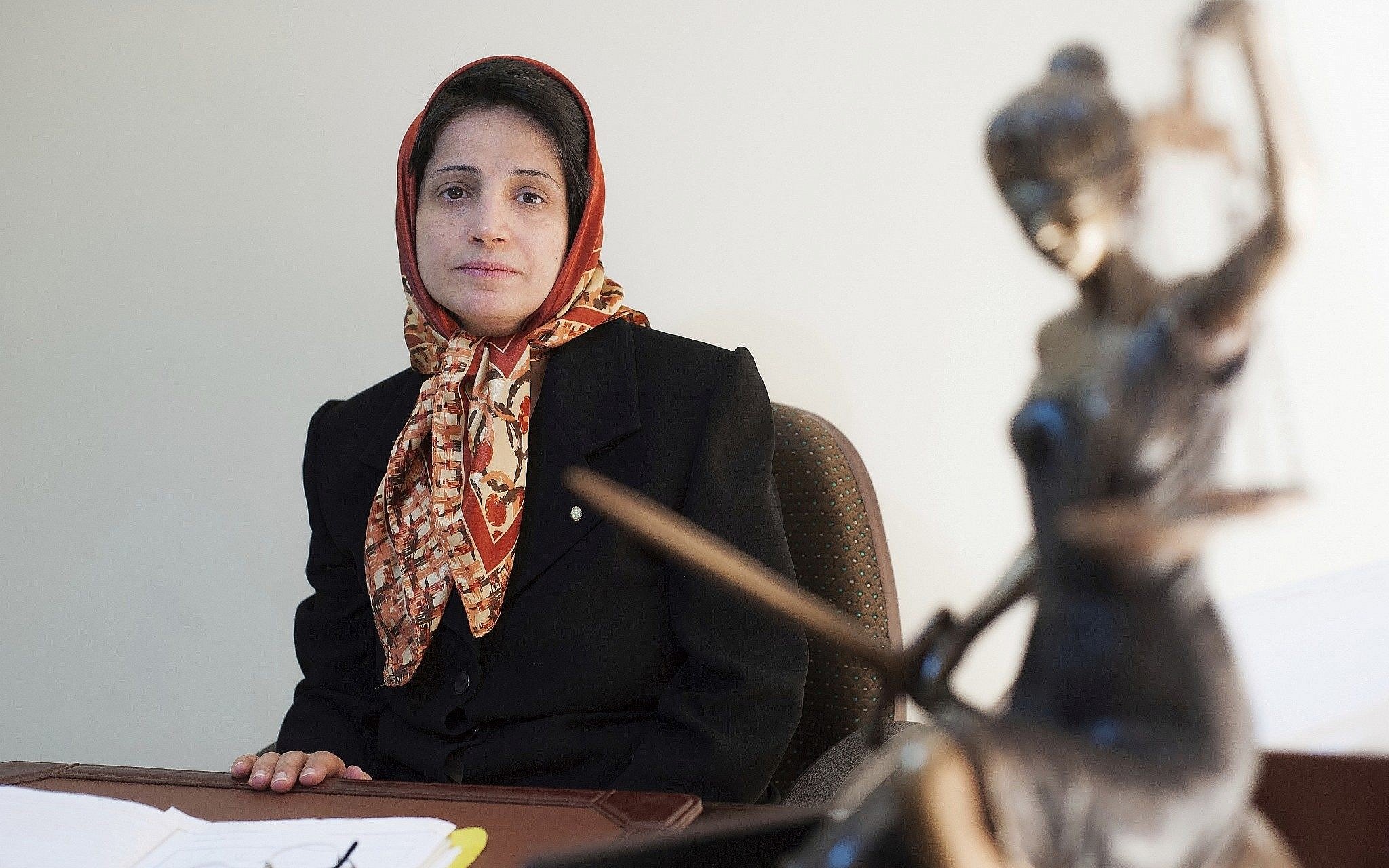
Iranian human rights lawyer Nasrin Sotoudeh in her office in Tehran, Iran, on November 1, 2008. (AP/Arash Ashourinia)
Iran has released on bail prominent human rights lawyer Nasrin Sotoudeh, who was arrested in early April in a crackdown during the war with the United States and Israel, Iranian news agencies and her daughter say.
Nournews, affiliated with Iran’s top security body, says Sotoudeh was freed on bail, without referring to any charges she might still face. Mehraveh Khandan, Sotoudeh’s daughter, confirms her mother’s release in a post on social media.
Sotoudeh, recipient of prizes including the 2012 Sakharov Prize from the European Parliament, has been jailed multiple times on security charges linked to her human rights advocacy.
On Sunday, Iran’s imprisoned Nobel Peace Prize winner Narges Mohammadi was moved to a hospital in the capital Tehran, after being granted a suspension of her sentence on heavy bail, a foundation run by her family said.
Nations drawing down oil stocks at record pace, IEA says
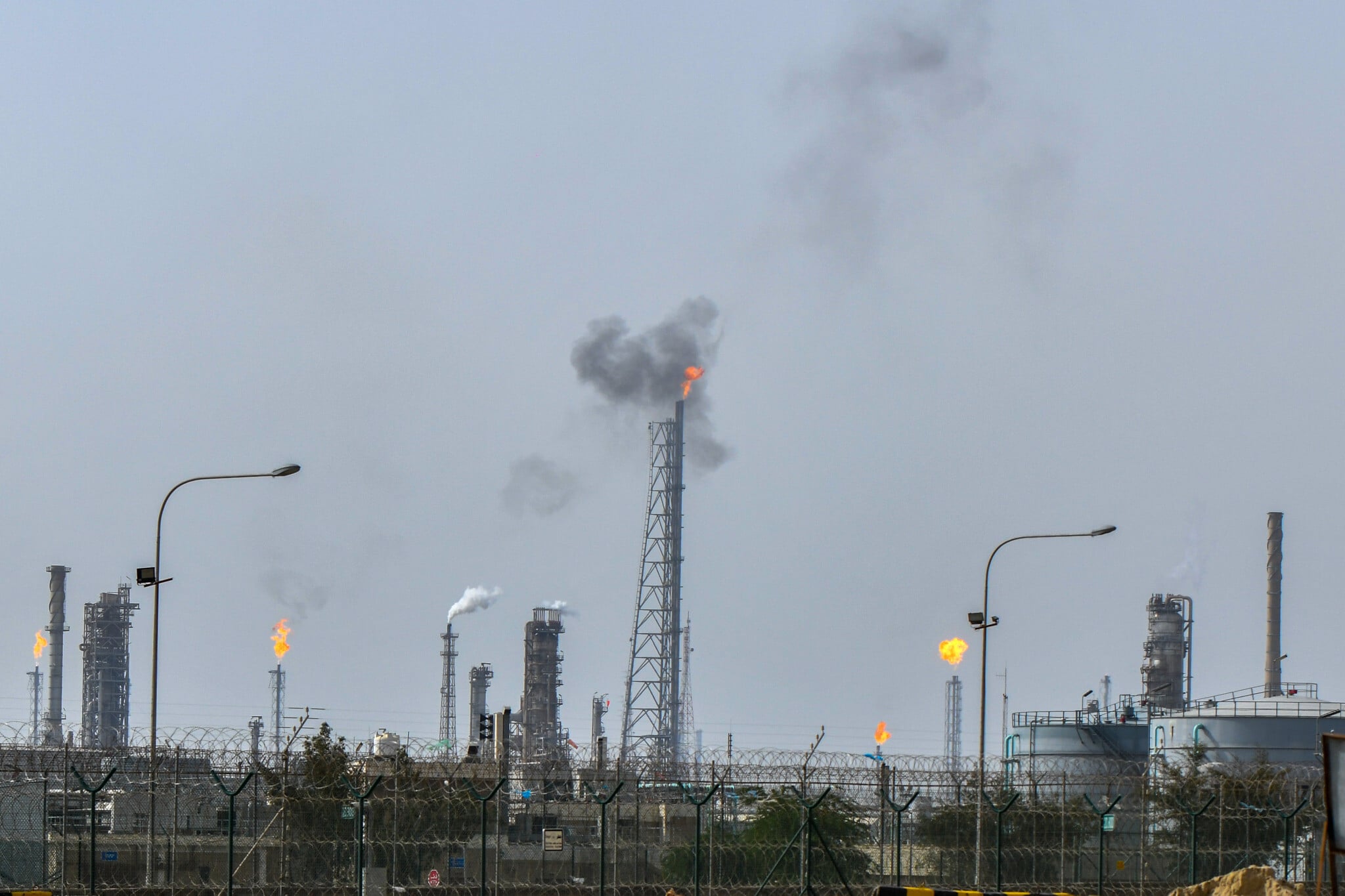
The Mina Al-Ahmadi oil refinery operates in Kuwait, March 20, 2026. (AP Photo, File)
Countries are tapping into oil inventories and strategic reserves at a “record pace” due to the “unprecedented” supply disruptions caused by the US-Israeli war with Iran, the International Energy Agency says.
Global stocks were drawn down by a further 117 million barrels in April, the agency says, after a 129-million-barrel drawdown in March following the war’s outbreak.
“Rapidly shrinking buffers amid continued disruptions may herald future price spikes ahead,” the IEA warns in its monthly report.
Tehran has effectively closed the strategic Strait of Hormuz to Gulf oil and gas exports, sending prices soaring and forcing nations to scramble for alternative supplies.
The IEA said in March that it would provide global markets with 400 million barrels from the emergency stocks of IEA members, of which around 164 million barrels have already been drawn.
“The pace of emergency stock releases picked up pace in April, with further volumes set to hit the market in the coming months,” the agency says.
Fears of shortages are rising with the summer travel season approaching in the northern hemisphere, with airlines already warning of jet fuel shortages in a matter of weeks if supply disruptions persist.
“With global oil inventories already drawing at a record clip, further price volatility appears likely ahead of the peak summer demand period,” the agency says.
Surging prices are also weighing on the demand outlook as end users, such as petrochemical and heavy manufacturers, reduce usage.
The IEA now expects global demand to shrink by 2.4 million barrels per day in the second quarter, down from its forecast of 3.5 million barrels before the war erupted.
Meanwhile, the OPEC oil cartel says it still believes demand will increase in 2026 by 1.2 million barrels per day.
Board of Deputies of British Jews welcomes King Charles’ vowing ‘urgent action’ on antisemitism
Britain's King Charles III speaks as he sits besides Queen Camilla during the State Opening of Parliament at the Palace of Westminster in London, May 13, 2026.(AP Photo/Kirsty Wigglesworth, Pool)
Following a statement earlier today by King Charles III that the British government will take immediate action to tackle antisemitism after a string of attacks targeting Jews, the Board of Deputies of British Jews calls on the government to follow through on that pledge.
“My government will take urgent action to tackle antisemitism and ensure all communities feel safe,” the king said earlier, as he delivered the British government’s legislative program for the coming year to lawmakers at the ceremonial opening of Parliament.
Board of Deputies Acting President Adrian Cohen welcomed the commitment, which, he says, “reflects the ongoing seriousness and urgency of the situation.”
“We also welcome the confirmation that the government will introduce legislation to tackle the growing threat from foreign state entities and their proxies,” he says in a statement, referring to reports of some of the attacks being linked to Iran. “We call on the government to enact these powers without further delay and use them as quickly as possible to proscribe Iranian-backed threats, including the IRGC.”
IDF says it intercepts an apparent Hezbollah drone in Lebanon; no injuries
The IDF says it intercepted an apparent Hezbollah drone over an area of southern Lebanon where troops are deployed a short while ago.
No injuries are reported in the incident.
Pop star Eyal Golan to be questioned by police over sexual assualt complaint — reports

Israeli singer Eyal Golan performs at Hayarkon Park in Tel Aviv, October 25, 2025. (Aloni Mor/Flash90)
Pop star Eyal Golan will be summoned for interrogation by police over the next two weeks regarding a sexual assault complaint filed against him, Hebrew outlets report.
The singer was set to be interrogated last week, but the session was postponed after he filed a complaint against the alleged victim, accusing her of attempting to extort him through threats.
The Central District police, who are investigating the case, reportedly obtained a recording in which the complainant’s friends can be heard saying she attempted to extort Golan, according to Channel 12.
As such, the complainant is also expected to be summoned for interrogation in the case.
The alleged victim, a beautician, told police that Golan came to her clinic for facial treatment around nine years ago, where he removed his pants and his underwear, exposed his genitalia and made sexual remarks to her. She claimed that he later pushed her to send him nude images, Channel 12 says.
Mamdani wins rare praise from ADL for increasing budget of NYC hate crimes office
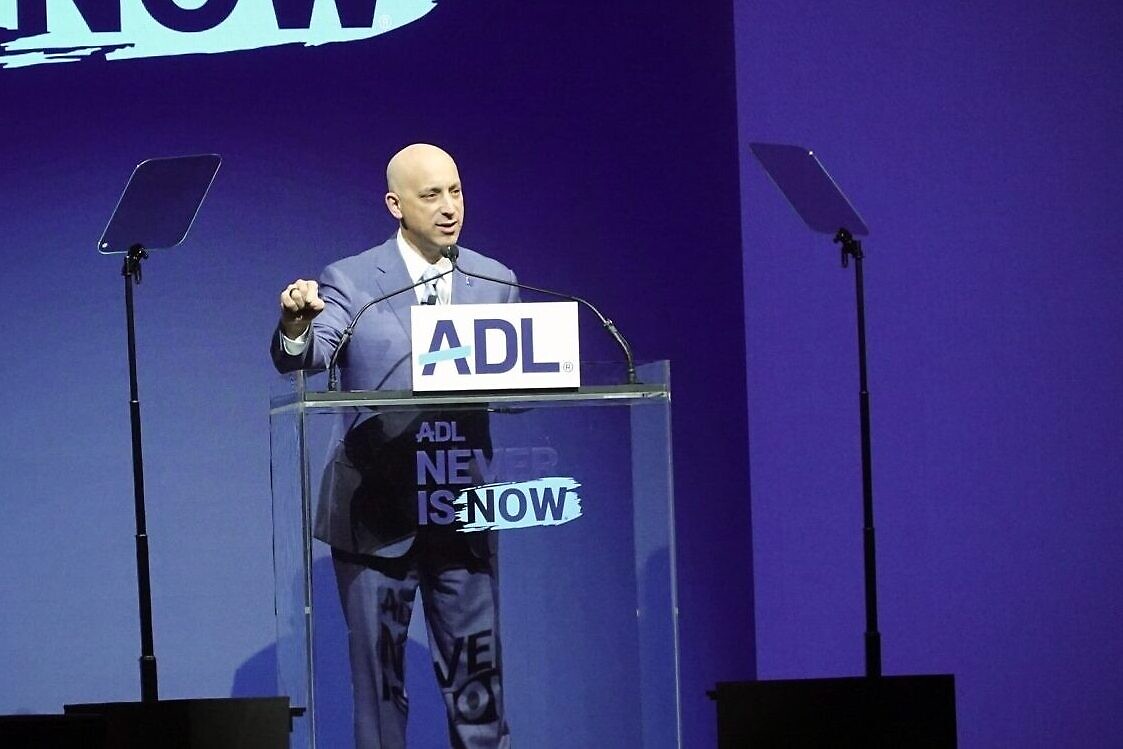
ADL head Jonathan Greenblatt at the group's annual Never Is Now conference, in New York City, March 16, 2026. (Luke Tress/Times of Israel)
New York City Mayor Zohran Mamdani wins rare praise from the Anti-Defamation League for announcing an increase in the budget for the Office to Prevent Hate Crimes.
Mamdani and the ADL have often been at odds during Mamdani’s campaign for mayor and since he took office at the start of the year. Mamdani is a longtime critic of Israel, while ADL CEO Jonathan Greenblatt has said anti-Zionism is antisemitism.
Mamdani said yesterday he would increase the budget for the Office to Prevent Hate Crimes to $26 million for the fiscal year 2027, part of his announced $124.7 billion executive budget.
The figure represents an increase of more than 800% for the office, the mayor’s office has said.
“We welcome Mayor Mamdani’s proposed 866% increase in funding for the Office to Prevent Hate Crimes and look forward to more concrete proposals to keep the Jewish community and all New Yorkers safe,” the ADL says.
Details about how the funds will be disbursed have not yet been finalized.
Jews are targeted in hate crimes in the city more than all other groups combined, according to NYPD data.
Iran’s foreign minister demands immediate release of 4 Iranians detained in Kuwait
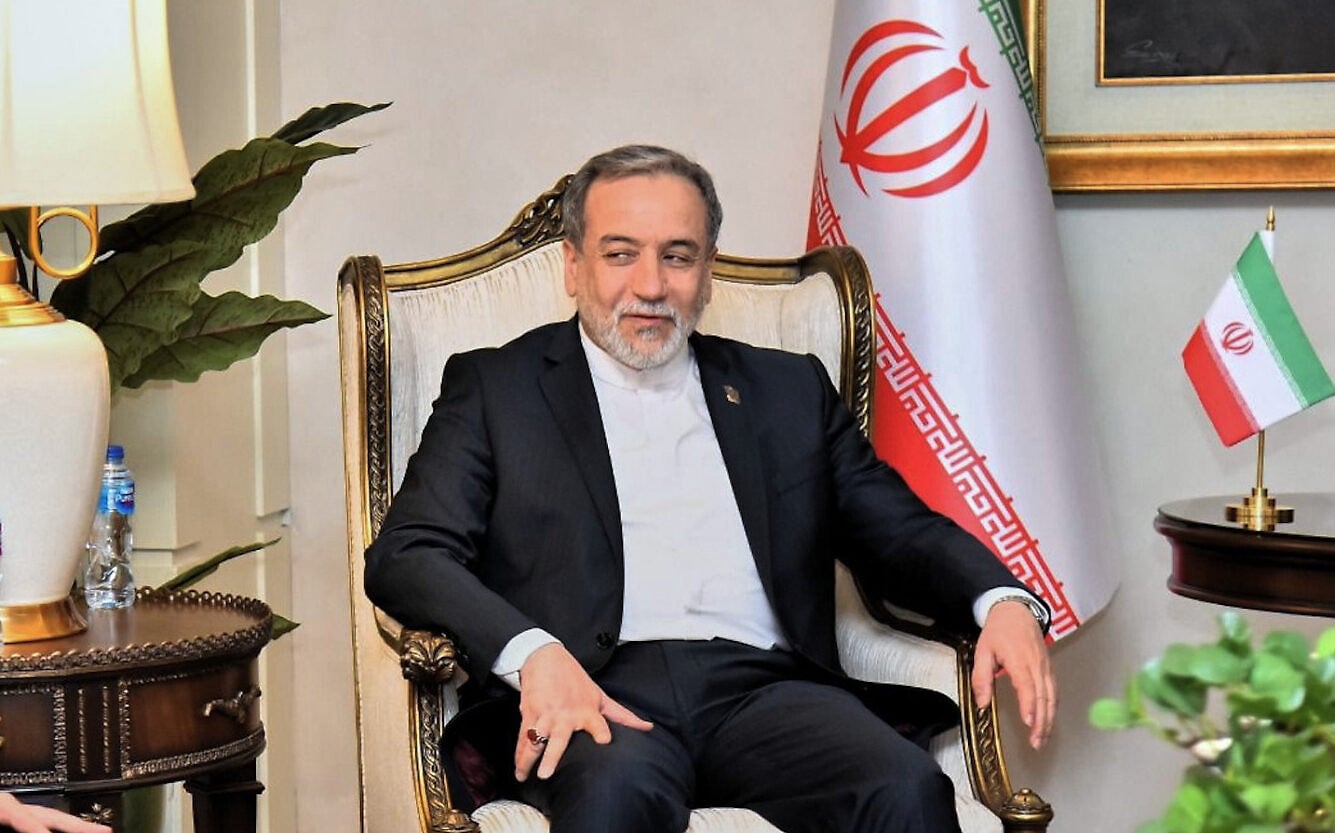
Iran's Foreign Minister Abbas Araghchi in Rawalpindi, Pakistan, April 24, 2026. (Pakistan Ministry of Foreign Affairs via AP)
Iran’s Foreign Minister Abbas Araghchi says Kuwait has ‘unlawfully’ attacked an Iranian boat and detained four Iranian citizens in the Gulf, adding that Tehran demands their release and reserves the right to respond.
Yesterday, Kuwait said it had arrested four people affiliated with Iran’s Revolutionary Guards who attempted to infiltrate the Gulf state by sea.
Lebanon says over 10,000 homes destroyed or damaged since truce with Israel began
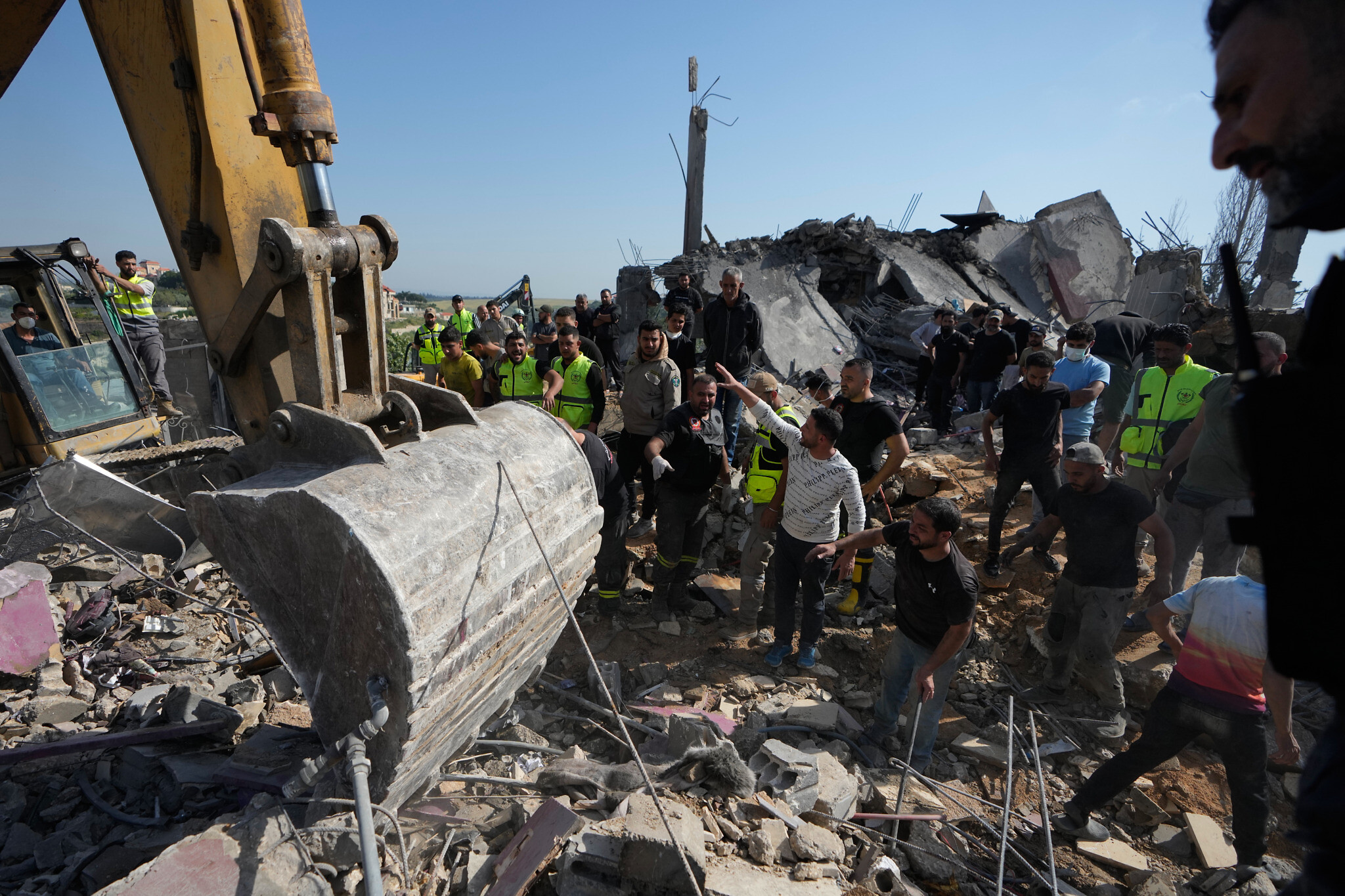
Rescue workers search for survivors using heavy machinery through the rubble of houses damaged by an Israeli airstrike in the village of Saksakieh, southern Lebanon, Saturday, May 9, 2026. (AP Photo/Mohammed Zaatari)
More than 10,000 homes have been damaged or destroyed in Lebanon since a ceasefire took effect in the war between Israel and the Hezbollah terror group, the head of the country’s National Council for Scientific Research says.
“Since the current ceasefire… we have witnessed 5,386 housing units that were completely destroyed, and 5,246 housing units damaged,” CRNS chief Chadi Abdallah tells a news conference broadcast by local media.
The IDF has drawn up a plan to establish a “security zone” in southern Lebanon, which involves demolishing Lebanese villages near the border and setting up army posts several kilometers inside the country in order to protect Israeli border villages and distance the threat posed by Hezbollah.
Netanyahu reveals he secretly visited the UAE during war with Iran
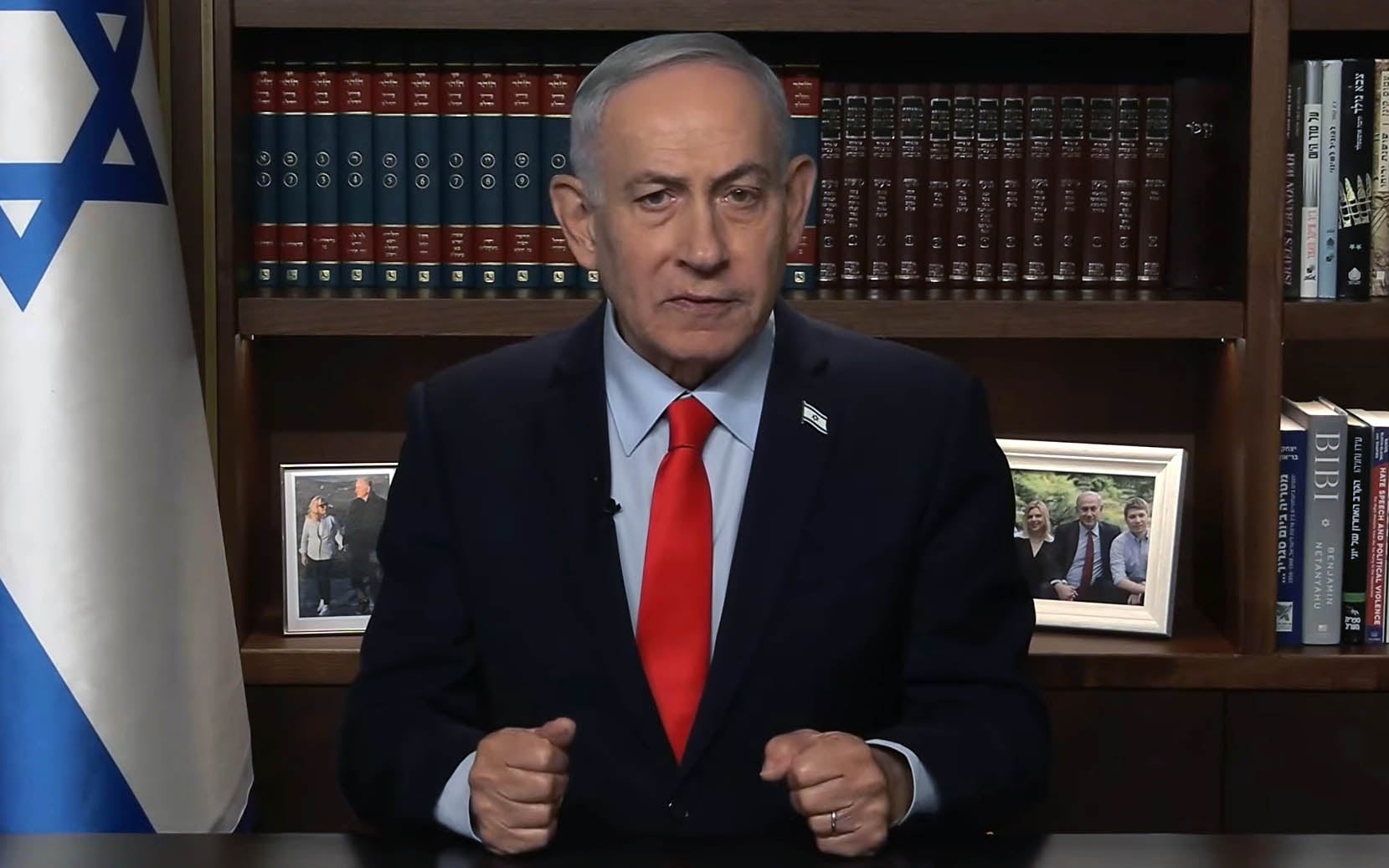
Prime Minister Benjamin Netanyahu in a video statement, May 3, 2026. (Screenshot/GPO)
Prime Minister Benjamin Netanyahu visited the United Arab Emirates secretly during the US-Israeli war with Iran, his office says.
Netanyahu met with UAE President Sheikh Mohammed bin Zayed, according to the Prime Minister’s Office.
“This visit led to a historic breakthrough in relations between Israel and the United Arab Emirates,” says the PMO.
Earlier this week, senior US officials confirmed that Israel sent an Iron Dome battery and soldiers to operate it to the UAE during the war with Iran.
In addition, Mossad chief David Barnea visited the UAE at least twice during the war with Iran to coordinate on the conflict, Arab officials and a source familiar with the matter told The Wall Street Journal.
The two countries also reportedly coordinated an attack on a major Iranian petrochemical site.
Israel and the UAE normalized ties in 2020. In 2018, Netanyahu reportedly flew to the UAE for a secret meeting with bin Zayed.
Nava Freiberg contributed to this report.
Government offers optional extension of school programs following wartime disruptions

Illustrative: Israeli children, parents and staff clean at "Gan Nitzan" in Givatayim, as schools and kindergartens are due to re-open after being closed for more than a month due to the war with Iran, April 08, 2026. (Miriam Alster/Flash90)
The government will spend NIS 1.1 billion ($377 million) on expanded summer education programs for students from kindergarten through ninth grade to help them recover from wartime learning disruptions, Prime Minister Benjamin Netanyahu, Finance Minister Bezalel Smotrich and Education Minister Yoav Kisch announce in a joint statement.
The school year typically concludes at the end of June.
Kisch says the optional program is intended to help students make up for learning gaps caused by, among other things, five weeks of closures during the war with Iran that covered the Passover break, while also providing “emotional support and innovative artificial intelligence programs.”
First announced in April, the initiative was then estimated to cost approximately NIS 750 million ($242 million), pending final budget agreements between the Education and Finance ministries.
Smotrich says that the program will “allow parents to return to work after a difficult year,” and that the program will include an AI-based learning pilot.
The initiative includes extending state-subsidized summer programming for students in kindergarten to third grade for three additional weeks and expanding it to include students through sixth grade, as well as a summer academic catch-up program for middle-school students.
The subsidized elementary-school program, which functions much like a day camp, typically runs for about three weeks for kindergarten through third-grade students, but will now operate for twice as long and include older elementary grades.
The new middle-school program, by contrast, is designed as an academic catch-up framework to help students make up for lost learning time, and will focus on “AI literacy, math, science and English” as well as STEM.
Republican-controlled US Senate backs Trump on Iran war despite deadline lapse

The US Capitol is seen, February 24, 2026, in Washington, ahead of US President Donald Trump State of the Union. (AP Photo/Jose Luis Magana)
US senators narrowly rejected a resolution curbing President Donald Trump’s power to wage war on Iran — their first vote on the conflict since a 60-day deadline expired for the White House to seek formal authorization.
The measure, introduced by Oregon Democratic Senator Jeff Merkley, is the seventh failed attempt by Democrats to rein in Trump’s war powers since the conflict began more than 10 weeks ago. The vote tally is 50-49.
Three Republicans voted for the Democratic-led resolution and one Democrat, Pennsylvania’s John Fetterman, voted against it.
Democrats say that, under the War Powers Act, the administration had until May 1 to secure congressional approval for military action after Trump notified lawmakers in early March of strikes against Iran.
They say that Trump is now operating in clear violation of the law. The administration disputes that interpretation, arguing that the clock was paused by a ceasefire announced more than a month ago.
The legal and political standoff has become a major test of Congress’s authority over war powers more than 50 years after the law was passed in the aftermath of the Vietnam War.
While most Republicans have continued to back Trump, the expiration of the 60-day window had been viewed by some lawmakers as a potential turning point in support for the conflict, which has entered its 75th day amid rising costs and growing concern over US military readiness.
Merkley acknowledged before the vote that the administration had “complicated” the issue by declaring the clock paused.
“They’ll have another chance to vote next week, and the week after that,” Democratic Senator Tim Kaine tells reporters, vowing to hold Republican feet to the fire.
“We’re going to force this vote every week until the Senate says we shouldn’t be at war. And I do believe that day is coming.”
Even if a resolution were eventually to pass the Senate, it would still face steep hurdles in the Republican-controlled House and would likely be vetoed by Trump.
Red Cross in secret talks with Israel to visit Palestinian security prisoners — report
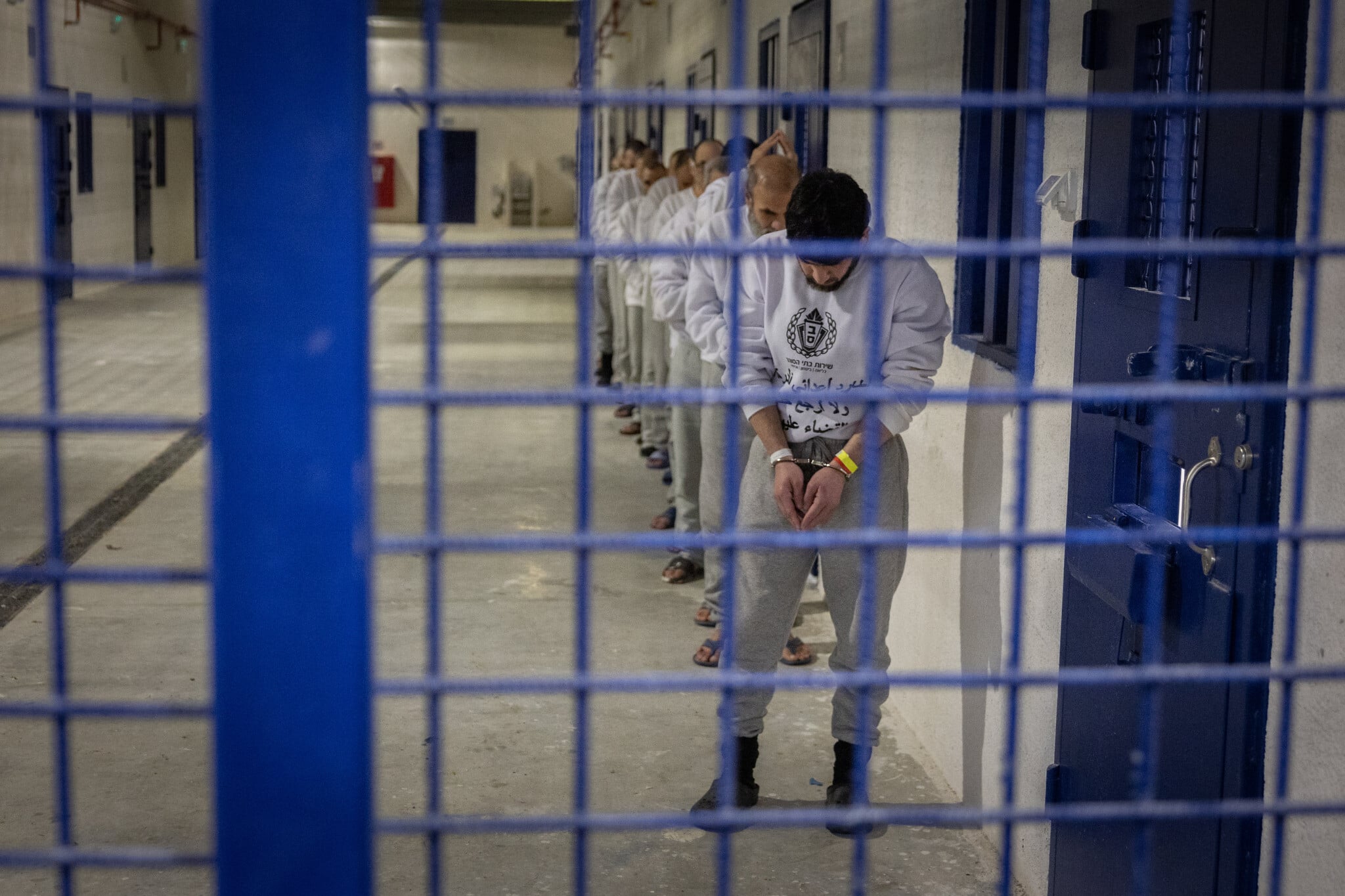
Israel Prisons Service officers prepare inmates for release as part of a hostage deal at Ketziot Prison in southern Israel, on February 26, 2025. (Chaim Goldberg/Flash90)
The Red Cross is reportedly engaged in talks with the Israeli government in hopes its representatives will be allowed to meet with Palestinian security prisoners, Haaretz reports, after Israel banned such visits after the Hamas-led October 7, 2023, attack.
“The International Committee of the Red Cross is holding a direct and confidential dialogue with Israeli authorities regarding its work and the issue of detention, specifically regarding the manner and conditions in which visits to detention facilities can be resumed,” the organization said in a response to the Hebrew daily.
The Prison Service’s blanket ban on Red Cross visits to Palestinian security inmates, ongoing since the October 7 invasion and massacre, has come under intense criticism from rights groups, which claim that the ban is meant to cover up alleged abuses in Israeli prisons.
Responding to a High Court petition by Israeli human rights groups demanding the Red Cross be allowed to meet security inmates, the state announced Friday it would permit the organization’s officials to visit facilities where the prisoners are held — but not actually meet them.
In its response, the state said that at Prime Minister Benjamin Netanyahu’s direction, it would allow Red Cross visits to the Prison Service’s five security facilities, as well as IDF facilities where security prisoners are held, claiming that Red Cross representatives would be “impressed by the detention conditions.”
Prison officials have defended the ban, citing security concerns. In a Knesset committee meeting last year, the head of the Prison Service’s counterterrorism department claimed visits by “foreign actors” could increase tensions and lead to riots, endangering guards and wardens, without elaborating further.
The four petitioning human rights groups — the Association for Civil Rights in Israel, Physicians for Human Rights – Israel, HaMoked and Gisha — allege that the state’s continued refusal to allow Red Cross visits is inexcusable in light of reports of widespread abuse and malnutrition of security prisoners.
Ben Gvir pushes legislation to enforce limits on volume of mosques’ calls to prayer
A man looks out from a minaret at the Al-Aqsa Mosque in the Old City of Jerusalem on January 23, 2018. (Yonatan Sindel/Flash90)
National Security Minister Itamar Ben Gvir’s far-right Otzma Yehudit party announces that it will seek to advance a bill tightening the enforcement of limits on the use of loudspeakers in mosques.
The bill, sponsored by Knesset National Security Committee chairman Zvika Fogel, aims to enforce the prohibition of “unreasonable noise from the muezzin.”
Muezzins use loudspeakers in mosques to issue calls to prayer five times a day, including the predawn Fajr prayer.
Previous legislation on the subject “allowed broad exceptions with limited enforcement,” Otzma Yehudit says in a statement, adding that its bill “imposes clear personal responsibility on the operating entity and significantly strengthens the powers of enforcement and punishment.”
The statement says: “According to the bill, no public address system will be installed or operated in a mosque without a permit. The granting of a permit will be assessed according to the intensity of the noise, measures to reduce it, the location of the mosque, its proximity to residential areas and the impact of the noise on residents. In the event of a violation of the rules, a police officer will be able to demand an immediate cessation, and if the violation continues, to confiscate the public address system.”
Those operating or installing a loudspeaker without a permit will be liable to a NIS 50,000 ($17,178) fine, while those operating such systems in violation of the terms of their permits will have to pay NIS 10,000 ($3,435).
“In many places, the sound of the muezzin is unreasonable noise that harms the quality of life and health of residents,” says Ben Gvir. “This is a phenomenon that cannot be tolerated. The Israel Police will act decisively to enforce it, and the bill gives it the missing tools.”
In late 2024, Ben Gvir instructed the police to confiscate speakers from mosques and fine them for noise in a bid to stop the Muslim houses of worship from broadcasting calls to prayer, leading to pushback from Arab and Muslim leaders as well as the ultra-Orthodox Shas and United Torah Judaism parties.
Right-wing lawmakers and activists have spearheaded efforts to muffle mosque loudspeakers over the years. Jewish residents of East Jerusalem and other areas of Israel have long complained about what they say is the excessive noise coming from mosques.
Israel’s public broadcaster deletes, apologizes for meme about Croatian Eurovision band’s tattoos

Lelek from Croatia performs the song "Andromeda" on stage during the dress rehearsal for the first semifinal of the 70th Eurovision Song Contest in Vienna, Austria, May 11, 2026. (AP/Martin Meissner)
Israel’s Kan public broadcaster issues an apology to Croatia’s Eurovision act for a post that poked fun at the singers’ facial tattoos.
In a satirical Hebrew post on X last night, Kan posted an image of the Lelek singing group and wrote: “When you overdo the henna tattoos in Eilat,” referring to the performers’ facial art.
In response, Lelek wrote on Instagram that they were “disturbed by the comments made by the Israeli broadcaster KAN, in which our culture and the sacrifices made by oppressed Catholic women were mocked.”
The group added, “It is especially disturbing to ridicule women singing about female pain and suffering while showing such a complete lack of empathy and respect for the suffering of others.”
Kan has deleted the post, and Lelek appears to have since deleted the Instagram story.
In a statement to reporters, Kan says it “immediately removed the post. There was no intention to insult the Croatian delegation or the Croatian public. We apologize for the post, and will apologize also to the head of the Croatian delegation.”
The Kan X account posted a variety of light-hearted memes and posts poking fun at multiple artists during last night’s semifinal in the song contest. Both Israel’s Noam Bettan and Croatia’s Lelek advanced to Saturday’s grand final.
Roman Gofman, PM’s embattled pick to lead Mossad, says he’ll go ‘all the way’ to get job — report
Incoming Mossad director Maj. Gen. Roman Gofman arrives for a Defense and Foreign Affairs Committee meeting at the Knesset on February 5, 2026. (Yonatan Sindel/Flash90)
Maj. Gen. Roman Gofman, Prime Minister Benjamin Netanyahu’s military secretary and pick to be the next head of the Mossad intelligence agency, has told associates that he intends to get the job despite opposition from the attorney general and, reportedly, the current leader of the Mossad.
“I plan on going all the way,” he said in meetings, according to Channel 12. “I believe the appointment will pass the High Court.”
Attorney General Gali Baharav-Miara on Sunday told the High Court of Justice that she opposed Gofman’s appointment, and urged it to be canceled as it “suffers from extreme and glaring unreasonableness” due to Gofman’s role in using a minor for a so-called influence operation. As a result of Gofman’s alleged actions, the teen was detained and interrogated by the Shin Bet domestic security agency, held in isolation for two months, charged with espionage offenses, and jailed for 18 months before the charges were dropped.
Current Mossad chief David Barnea also reportedly opposes the appointment. Netanyahu has spoken out in his defense in the face of the criticism.
According to Channel 12, Gofman is building a team and choosing top aides, with the expectation that he will take over the agency. He has also carried out a series of meetings with top officials in the Mossad.
Netanyahu has also been meeting with senior IDF officers as he searches for a potential replacements for Gofman as military secretary.
UAE reaffirms diplomacy, rejects confrontation with Iran, presidential adviser says
Anwar Gargash, an adviser to the United Arab Emirates president, says that the UAE remains committed to political solutions and diplomacy amid regional tensions, while stressing the country’s right to defend its sovereignty.
The Gulf state has been targeted by barrages of Iranian missiles and drones during the US-Israeli war with the Islamic Republic.
The UAE says it does not seek conflict and has worked to avoid it, adding that relations between the Arab states and Iran should not be based on confrontation.
Soldier jailed, commanders penalized after IDF chief calls out ‘Messiah’ patch
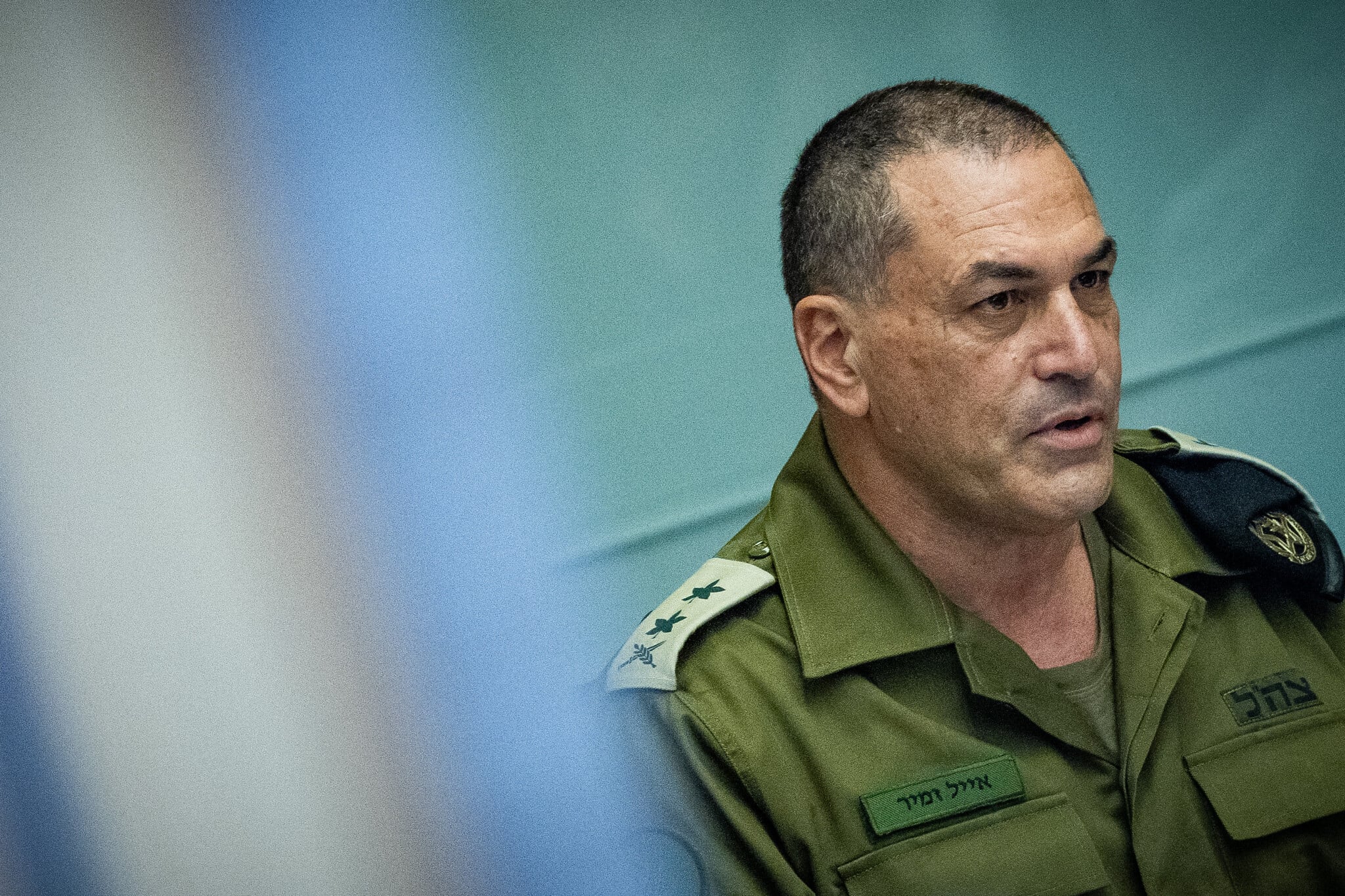
IDF Chief of Staff Eyal Zamir attends a Foreign Affairs and Defense Committee meeting at the Knesset in Jerusalem, May 10, 2026. (Yonatan Sindel/Flash90)
During a visit to an army position in the West Bank today, IDF Chief of Staff Lt. Gen. Eyal Zamir called out a soldier for wearing a non-military patch bearing the word “Messiah.”
The soldier was then sentenced by his brigade commander to 30 days in military jail. His platoon commander received a suspended two-week sentence, and the battalion commander was censured.
Last month, Zamir told senior commanders that the military has seen eroding discipline in the multi-front war over recent years, citing the widespread non-military patches worn by soldiers.
Far-right rapper and police volunteer ‘The Shadow’ gave briefing to Ben Gvir, top cops

Rapper Yoav Eliasi "The Shadow" shows his "inspector" insignia, July 15, 2024. (via Facebook)
Far-right rapper and civilian police volunteer Yoav Eliasi, known by his stage name “The Shadow,” gave a briefing to National Security Minister Itamar Ben Gvir and senior police officers earlier today.
Footage of the meeting aired by Channel 12 News sparked outrage among Ben Gvir’s critics, amid claims that the far-right minister has been steadily working to politicize law enforcement.
The controversial musician heads a civilian security squad responsible for the Tel Aviv District. In the video of the briefing, he says his team is “doing nonstop work, providing governance, providing force” against crime in the area. He specifies that his team was especially active during the Muslim holy month of Ramadan.
“There is no one from the command who ever stays in the office; we’re seeing everyone in the field. During Ramadan, everyone was in the field,” he tells the officers. Ben Gvir interjects to praise Eliasi, saying that the Muslim holy month this year “was the quietest Ramadan.”
During the June 2025 war with Iran, Eliasi sparked controversy when he and his civilian security squad detained a group of foreign journalists at a missile impact site in Tel Aviv, only for a police spokesman to subsequently release them.
Witnesses claimed he separated Israeli journalists from foreign ones in a stairwell and allowed the former group to proceed while detaining several non-Israeli reporters. After an appeal by the journalists’ union to the Tel Aviv District Police over the incident, police decided to prevent civilian security squads from interacting with reporters at “various sites.”
In a Facebook post, Ben Gvir defends his meeting with the rapper. “The pile-on and shaming that they are doing to my friend Yoav ‘The Shadow’ Eliasi over a distorted headline is simply a disgrace,” he writes.
יואב אליאסי (הראפר "הצל") מעביר "סקירה ביטחונית על פעילותו" לבן גביר ולבכירי המשטרה. אצל בן גביר טוענים – הוא מפקד יחידת הכוננת המחוזית של תל אביב ולכן נותן סקירה לבכירים@DaphnaLiel pic.twitter.com/PnslvVUTdF
— החדשות – N12 (@N12News) May 13, 2026
UN rights chief calls on Israel to abolish October 7 military tribunal

UN High Commissioner for Human Rights (UNHCR), Volker Turk, speaks during a press conference in Colombo, Sri Lanka, June 26, 2025. (AP)
The United Nations rights chief calls on Israel to repeal a newly established special military tribunal to try Palestinian terrorists accused of taking part in the Hamas-led October 7, 2023, invasion and massacre.
The Knesset on Monday night passed a law to establish the special military tribunal, with 93 votes in favor and none opposed.
The rare bipartisan legislation would see the establishment of a special court within the military justice system to try the roughly 300 alleged terrorists captured by security forces inside Israel during the invasion and held in detention since.
Under the legislation, the tribunal will be able to charge the assailants with all relevant crimes, including genocide under the terms of Israel’s 1950 Law for the Prevention of Genocide, harming Israeli sovereignty, causing war, assisting an enemy during a time of war, and terror charges under Israel’s 2016 law for combating terrorism.
Those convicted of genocide charges would be liable for the death penalty.
“There must be full accountability for these horrific attacks, but this cannot be achieved through trials that fall short of international standards,” Volker Turk, the UN High Commissioner for Human Rights, says in a statement.
“This law must be overturned. This law will inevitably institutionalize one-sided justice and discrimination against Palestinians, which cannot be in anyone’s interest and runs counter to international human rights law,” he says.
In a statement sent to AFP, Israel’s diplomatic mission in Geneva says Turk’s office should concentrate on categorizing Hamas as a terrorist group and “cease blaming Israel for seeking justice for victims.”
The mission says Israel was using a military court because of the “nature and magnitude of the offenses” and the volume of evidence.
“The law does not alter substantive criminal law, create new offenses or penalties, establish retroactive criminal liability, or impose a mandatory death sentence,” the mission says.
IDF officers said to tell PM up to 80% of incidents they address in West Bank are Jewish terror
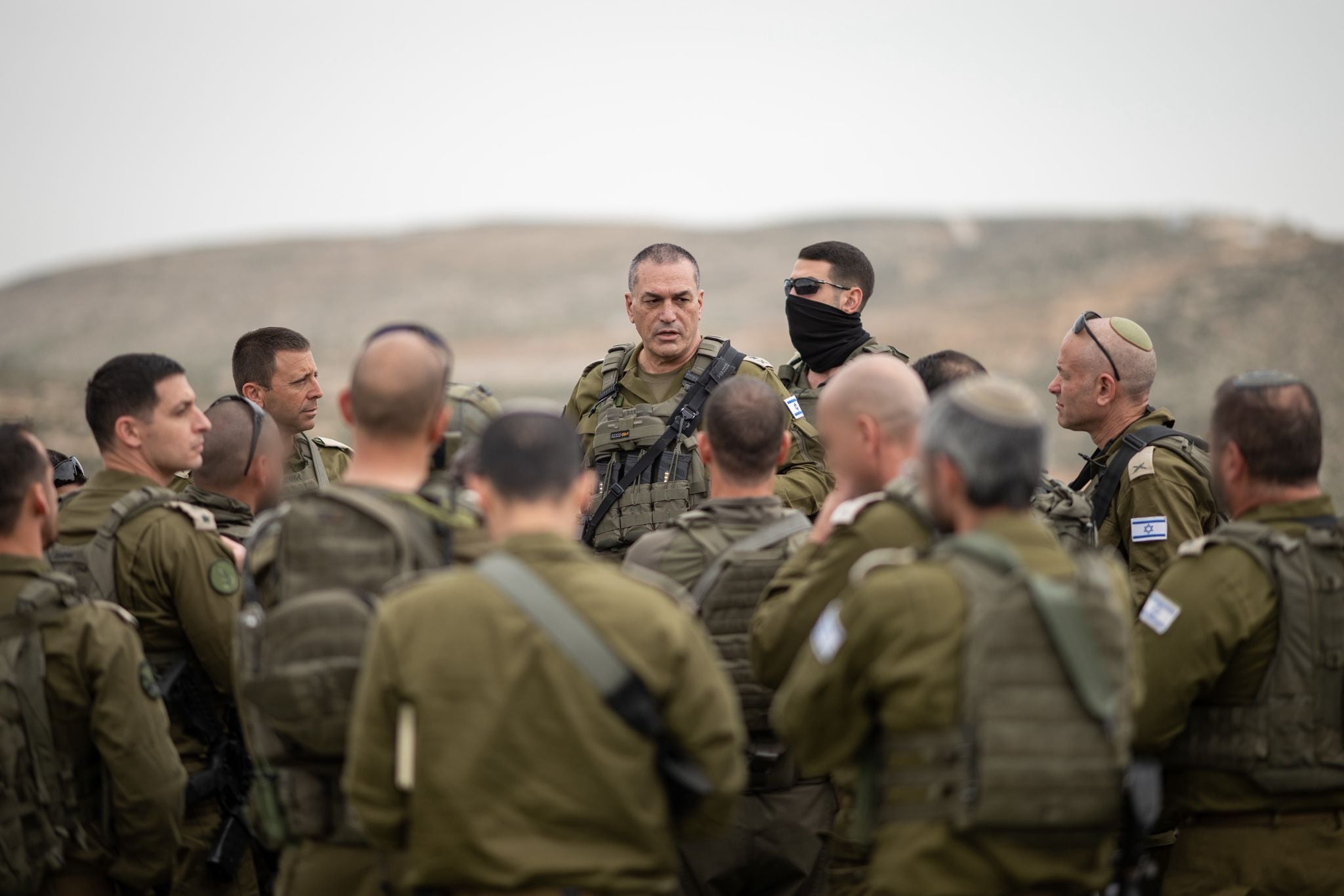
IDF Chief of Staff Lt. Gen. Eyal Zamir meets with officers in the West Bank, March 18, 2026. (Israel Defense Forces)
Up to 80 percent of incidents that IDF brigades in the West Bank record are Jewish attacks on Palestinians, an officer in the IDF Central Command told Prime Minister Benjamin Netanyahu during a meeting today on Jewish terrorism, the Kan public broadcaster reports.
The need to devote resources to Jewish terrorism means that IDF units are forced to cut back on arrests of Palestinian terror suspects, according to the officer.
“There are company and battalion commanders here who spend the night preventing [Palestinian] terrorism and most of the day dealing with [Jewish] nationalist crime,” said the officer, according to the report. “Arrests of wanted suspects and offensive operations are canceled because of these incidents. In some brigade operations rooms, 80 percent of the reports in the log are [Jewish] nationalist crime.”
“We are failing every day in maintaining law and order, and we have no tools,” said another officer, according to Kan. “There are [illegal settlement] outposts we have evacuated dozens of times — they return. There are key activists inciting youths to violence who are not being removed, and if they are arrested, they are released and return after two days.”
The second officer reportedly stresses that “there are outposts engaged in daily violence against Palestinians; by the time we arrive at the scene, there is nothing left to do. The system is structured in a way that makes it impossible to defeat this. It’s only a matter of time before we wake up one morning to a Telegram group reporting that terrorists slaughtered Jews in one of the outposts.”
Another officer in Central Command is said to have told Netanyahu that when he brings up the importance of upholding the law, it is seen as expressing a left-wing political position.
Shin Bet chief David Zini reportedly said at the meeting that “outposts that generate violence should be evacuated.”
He calls for the evacuation of Israeli outposts “that are problematic, lack security, and outposts in Area B,” which is under Palestinian Authority governance and Israeli security control.
Neo-Nazi who plotted to poison Jewish children gets 15-year sentence in NYC

An NYPD vehicle is seen outside of Congregation Temple Emanu-El on December 14, 2025, in New York City. (Ryan Murphy/Getty Images/AFP)
A federal court in New York City sentences a neo-Nazi from the country of Georgia to 15 years in prison for crimes, including a plot to poison Jewish children.
Michail Chkhikvishvili, 22, is a leader of the Maniac Murder Cult, an international white supremacist group that follows neo-Nazi ideology, prosecutors said.
Chkhikvishvili, who uses the moniker “Commander Butcher,” recruited followers to commit mass casualty attacks in New York City.
He had distributed a manifesto called the “Hater’s Handbook” that called on others to commit school shootings and other violent attacks “for the white race.”
One of the people he encouraged to commit the attacks was an undercover FBI agent.
In November 2023, Chkhikvishvili plotted a mass casualty attack set to take place on New Year’s Eve in New York City. He planned to have the assailant dress as Santa Claus and distribute poisonous candy to racial minorities.
In January 2024, he altered the plan and directed the FBI agent to target Jewish schools and Jewish children in Brooklyn with poison.
Chkhikvishvili sent detailed instructions to the agent about creating lethal poisons and gases, such as ricin.
Chkhikvishvili was extradited to the US from Moldova last year.
Yisrael Beytenu threatens to sue Facebook user for fake AI image of Liberman hugging Abbas
The hawkish Yisrael Beytenu opposition party threatens to sue a social media user for an AI-generated image of its chairman, Avigdor Liberman, hugging Mansour Abbas, the chairman of the Islamist Ra’am party.
“In recent days, a false and distorted publication against Yisrael Beiteinu has been circulating on social media, involving the cynical and intentional use of fake AI images designed to mislead the public and harm the party. A preliminary investigation reveals that an account involved in spreading these lies is identified with Netanyahu supporters and even operates simultaneously to promote a specific candidate in the Likud primaries,” the party posts on X.
“The matter has been referred for legal action, and our attorney has issued a warning letter ahead of taking legal proceedings against all those involved in distributing and echoing the false publication,” the party adds.
A copy of the letter, sent to Facebook user Natalia Haritonova by an attorney representing the party, threatens to sue unless the picture is removed.
Experts have raised concerns about the use of generative AI in the run-up to this year’s Knesset elections, due to take place by October. In February, the Central Elections Committee ruled that Prime Minister Benjamin Netanyahu’s Likud party had to take down a manipulated image that appeared to show Naftali Bennett and Yair Lapid joining hands with Arab party leaders in celebration of a deal that the two men weren’t part of or present for.
Coalition submits bill to dissolve Knesset and trigger elections within 5 months
A general view of a plenum session at the Knesset in Jerusalem, May 11, 2026. (Yonatan Sindel/Flash90)
Coalition whip Ofir Katz submits a bill to dissolve the Knesset and trigger elections, co-sponsored by all of the parties in Prime Minister Benjamin Netanyahu’s coalition.
The bill states that the next election will be held not less than three months from the bill’s passage and that the date of the election will be determined by the Knesset House Committee. Elections must be held within five months of the bill’s passage, which would mean by mid- to late-October at latest. Elections must in any case be held by October 27.
The bill is co-sponsored by lawmakers from the United Torah Judaism, Shas, New Hope, Religious Zionism and Otzma Yehudit parties.
A preliminary vote to dissolve the Knesset cannot be held before Monday at the earliest under Knesset rules. The opposition also supports dissolving the Knesset, and with coalition support, the bill’s passage is all but assured.
The ultra-Orthodox UTJ party’s Degel Hatorah faction announced on Tuesday that it would seek to dissolve the Knesset because of the coalition’s failure to pass a law enshrining the decades-old exemption of Haredi yeshiva students from military service.
Opposition parties submitted dissolution bills yesterday and urged Knesset Speaker Amir Ohana to hold a preliminary vote as early as Wednesday, in an effort to capitalize on Degel HaTorah’s announcement.
In response, Netanyahu’s coalition began preparing competing efforts to dissolve the Knesset and trigger early elections. Katz’s bill appears to be an effort on the part of the coalition to control both the legislative process and the timing of future elections rather than letting the opposition do so.
At Jewish Dems event, Minneapolis’s Jacob Frey says anti-Zionism can blur into antisemitism
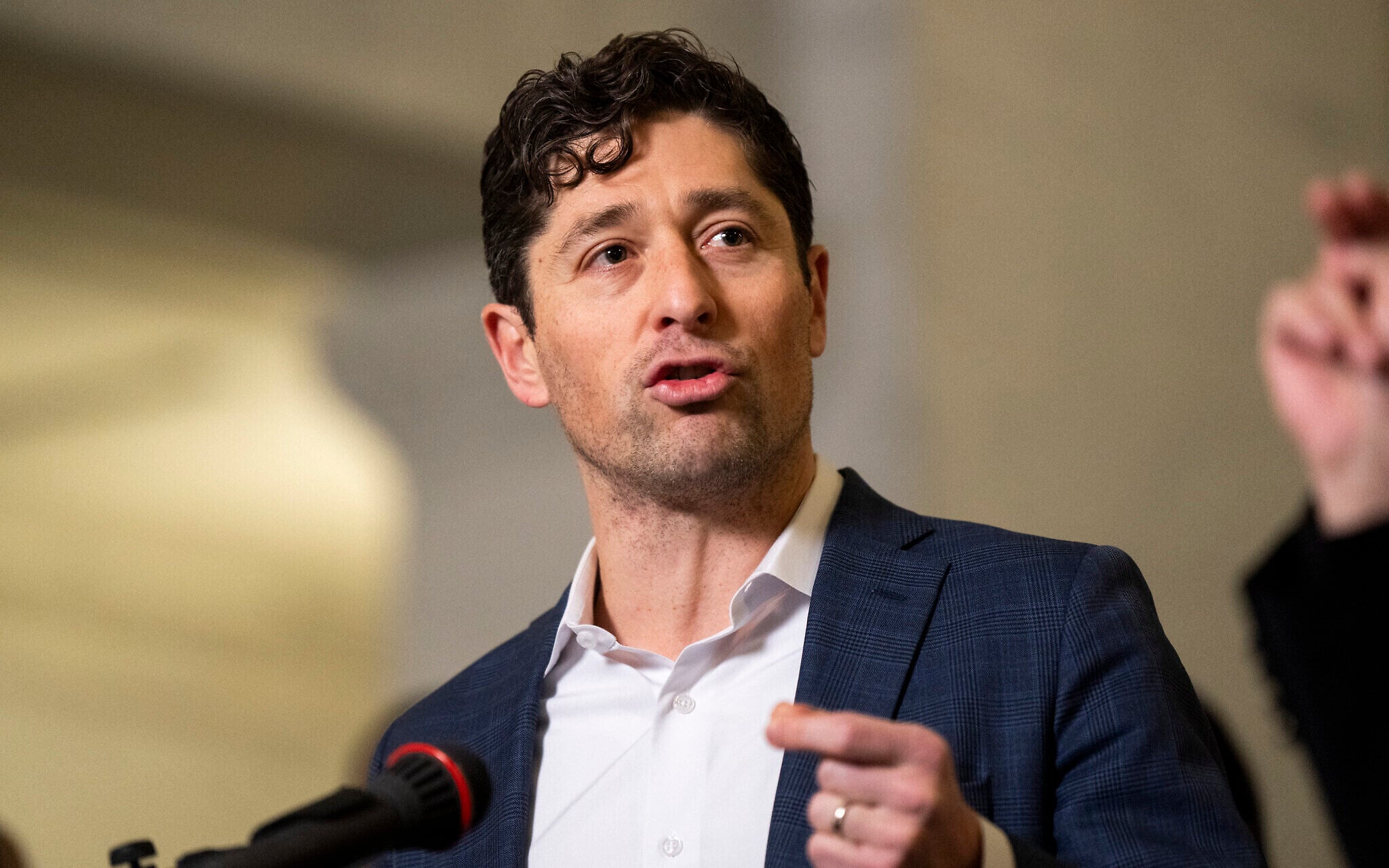
Minneapolis Mayor Jacob Frey speaks during a press conference at city hall on January 9, 2026, in Minneapolis, Minnesota. (Stephen Maturen/Getty Images/AFP)
Jacob Frey, the Jewish mayor of Minneapolis, decries some criticism of Israel during a Jewish Democratic event.
Speaking at the national conference of the Jewish Democratic Council of America in Washington, DC, Frey recounts visiting a local grocery store shortly after the Hamas-led attack on Israel on October 7, 2023.
“The tiny little Jewish section, which had hummus and maybe one other product, was tagged with, ‘Why do you support genocide?’” he says. “And this was just the Jewish section, it wasn’t even the Israeli section.”
Frey continues, “So as much as people say, and have often said, ‘No, we’re talking about Zionists, not Jews’ — well, many of those same people are tying Zionism to Judaism. You can’t have it both ways at the same time.”
He concludes that “you can both believe in a State of Israel and support it, and simultaneously be opposed to some of the horrific acts that [Prime Minister Benjamin] Netanyahu has conducted.”
Responding to a question about anti-Israel sentiment in his party, Frey says he thinks Democrats should do more to constrain fringe sentiments within the party.
“It’s easy for me, and it’s very easy for Democrats, to critique the right,” he says. “I’ve got a whole team supporting me when I said [to immigration agents] get the F out of Minneapolis. That was not a hard thing to do; that’s just what I felt. What’s harder to do is to tell your own side, sometimes your own friends that, you know what, you’ve gone too far.”
He adds, “My deep concern right now is that people don’t have the guts to tell their own side what they don’t want to hear.”
Asked in an interview following the session about whether Democrats should be campaigning alongside figures like the progressive anti-Israel streamer Hasan Piker, who has drawn accusations of antisemitism, Frey tells JTA that he is not familiar with the debate around Piker nor his positions.
When asked about Israel and anti-Zionism during the Q&A session, Frey expands on his belief in the State of Israel as well as his criticisms of its government.
“You can recognize the importance of a place for peace and refuge, a place where refugees by the hundreds of thousands and millions have immigrated to Israel — from both Ashkenazi countries and also Iraq, Iran and Yemen — a very mixed ethnically and culturally place,” Frey says. “You can recognize that the history is complex. That there are areas where we collectively as Jews can improve. Where policies can be improved.”
US Senate confirms Trump pick Warsh as chairman of Federal Reserve
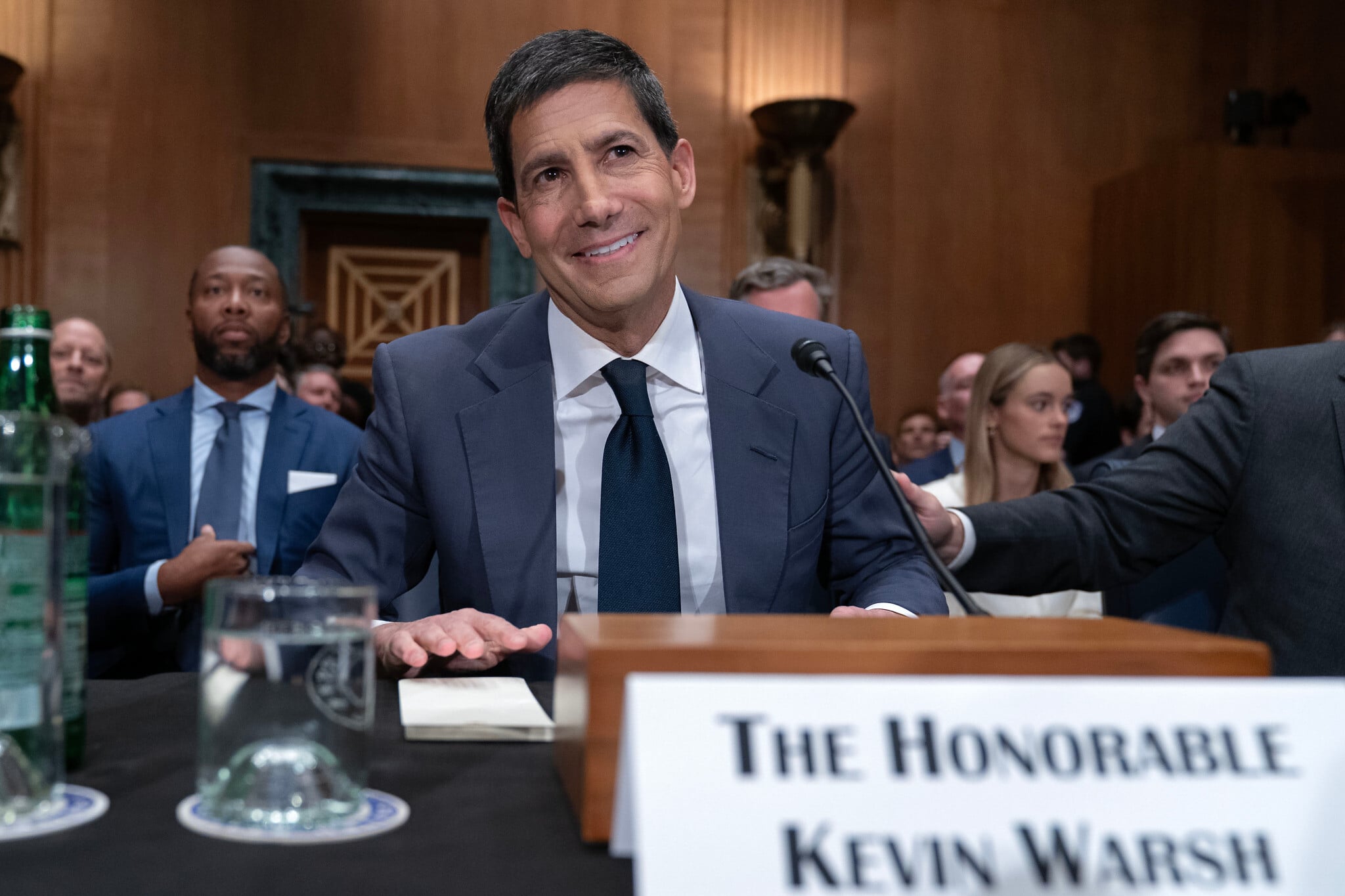
Kevin Warsh testifies during his nomination hearing to be a member and chairman of the Federal Reserve Board of Governors before the US Senate Banking, Housing and Urban Affairs Committee on Capitol Hill, in Washington, DC, April 21, 2026. (AP/Jose Luis Magana)
The US Senate confirms US President Donald Trump’s nominee to lead the Federal Reserve, Kevin Warsh, bringing new leadership to the world’s most powerful central bank at a fraught moment for the global economy.
Warsh, 56, a former top Fed official, is confirmed in a largely party-line 54-45 vote and will replace Jerome Powell as chair at an unusually difficult time for the independent agency.
Warsh, who is Jewish, is the son-in-law of World Jewish Congress President Ronald Lauder.
Inflation has topped the Fed’s two percent target for five years and is now rising faster because of spiking gas prices. The Fed’s interest rate-setting committee is divided and saw the most dissenting votes in more than three decades last month.
And Powell, after years of personal attacks from Trump and an unprecedented Justice Department investigation, plans to remain on the Fed’s board even after his term as chair ends, potentially creating a competing power center.
Times of Israel staff contributed to this report.
Drone strike hits Iranian opposition camp north of Iraq’s Erbil, security sources say
A drone strike hit an Iranian opposition camp north of Iraq’s Erbil, security sources say, adding that an arms and ammunition depot inside the camp was targeted.
There are no reports of fatalities.
Iran executes man convicted of killing policeman in unrest — Iranian Fars news agency
Iran executes a man convicted of repeatedly stabbing and killing a police officer during nationwide protests in early 2026, the semi-official news agency Fars news agency reports.
According to a report by rights group HRANA, a lawyer alleged that authorities did not allow independent lawyers to take the case.
Saudi warplanes struck militias in Iraq during war, sources tell Reuters

Royal Saudi Air Force F-15s provide an honorary escort for Air Force One, with US President Donald Trump aboard, as it arrives in Saudi Arabia, May 13, 2025. (Alex Brandon/AP)
Saudi fighter jets bombed targets linked to powerful Tehran-backed Shi’ite militias in Iraq during the Iran war, while retaliatory strikes were also launched from Kuwait into Iraq, multiple sources familiar with the matter tell Reuters.
The strikes are part of a broader pattern of military responses around the Gulf that remained largely hidden during a conflict that has drawn in the wider Middle East since joint Israeli-US strikes on Iran began on February 28.
Those attacks triggered Iranian strikes on Gulf states and Israel that have rattled the global economy and shut the Strait of Hormuz, through which a fifth of global oil and liquefied natural gas flows.
The sources for the strikes from Saudi Arabia and Kuwait include three Iraqi security and military officials, a Western official, and two people briefed on the matter, one of them in the US.
The Saudi strikes were carried out by Saudi air force fighter jets on Iran-linked militia targets near the kingdom’s northern border with Iraq, one Western official and the person briefed on the matter say. The Western official says some strikes took place around the time the US-Iran ceasefire began in early April.
They targeted sites from which drone and missile attacks were launched at Saudi Arabia and other Gulf states, the sources say.
Citing military assessments, the Iraqi sources say rocket attacks were launched on at least two occasions from Kuwaiti territory on Iraq. One set of strikes hit militia positions in southern Iraq in April, killing several fighters and destroying a facility used by Iran-backed militia Kataib Hezbollah for communications and drone operations, they say.
Reuters cannot determine whether the rockets from Kuwait were fired by the Kuwaiti armed forces or the US military, which has a large presence there. The U.S. military declined to comment. The Kuwaiti information ministry and the Iraqi government did not immediately respond to requests for comment.
On Tuesday, Reuters reported that Saudi Arabia launched strikes directly on Iran during the war in retaliation for attacks on the kingdom, the first time Riyadh is known to have hit Iranian soil. The UAE also carried out similar strikes on Iran, three people familiar with the matter said.
With elections ahead, cabinet ministers handing out jobs to associates — report

Transportation Minister Miri Regev speaks during a press conference regarding the reopening of Israeli airspace amid the war with Iran, in Tel Aviv, March 3, 2026. (Yehoshua Yosef/Flash90)
With elections due to take place by October, members of Prime Minister Benjamin Netanyahu’s cabinet are looking to appoint their associates to top government positions, Channel 12 reports.
According to the network, this week Transportation Minister Miri Regev appointed former Hatzor HaGlilit Regional Council chief Shimon Suissa (Likud) to a senior ministry role where he will control budgets of tens of billions of shekels. The appointment was made even though 10 years ago, police recommended prosecuting Suissa for fraud.
Channel 12 also states that the politically connected Israel Railways board chairman, Moshe Shimoni, will be tapped as the new chairman of the Israel Electric Corporation while Yigal Amadi will take over Shimoni’s position despite allegedly attempting to give a job to a relative of a prominent pro-Netanyahu journalist while in charge of the National Transport Infrastructure Company.
Netanyahu associate and Israeli ambassador to the United Arab Emirates Yossi Shelly is also due to be given a plum job, the network reports.
“All appointments made in the Transportation Ministry and government companies are professional, high-quality appointments of individuals who have proven themselves in the field. All appointments are made in accordance with procedures, under legal supervision by the Civil Service Commission, and according to the required criteria,” Regev’s office tells the network in a statement.
Government approves plan to upgrade Ashkelon desalination plant
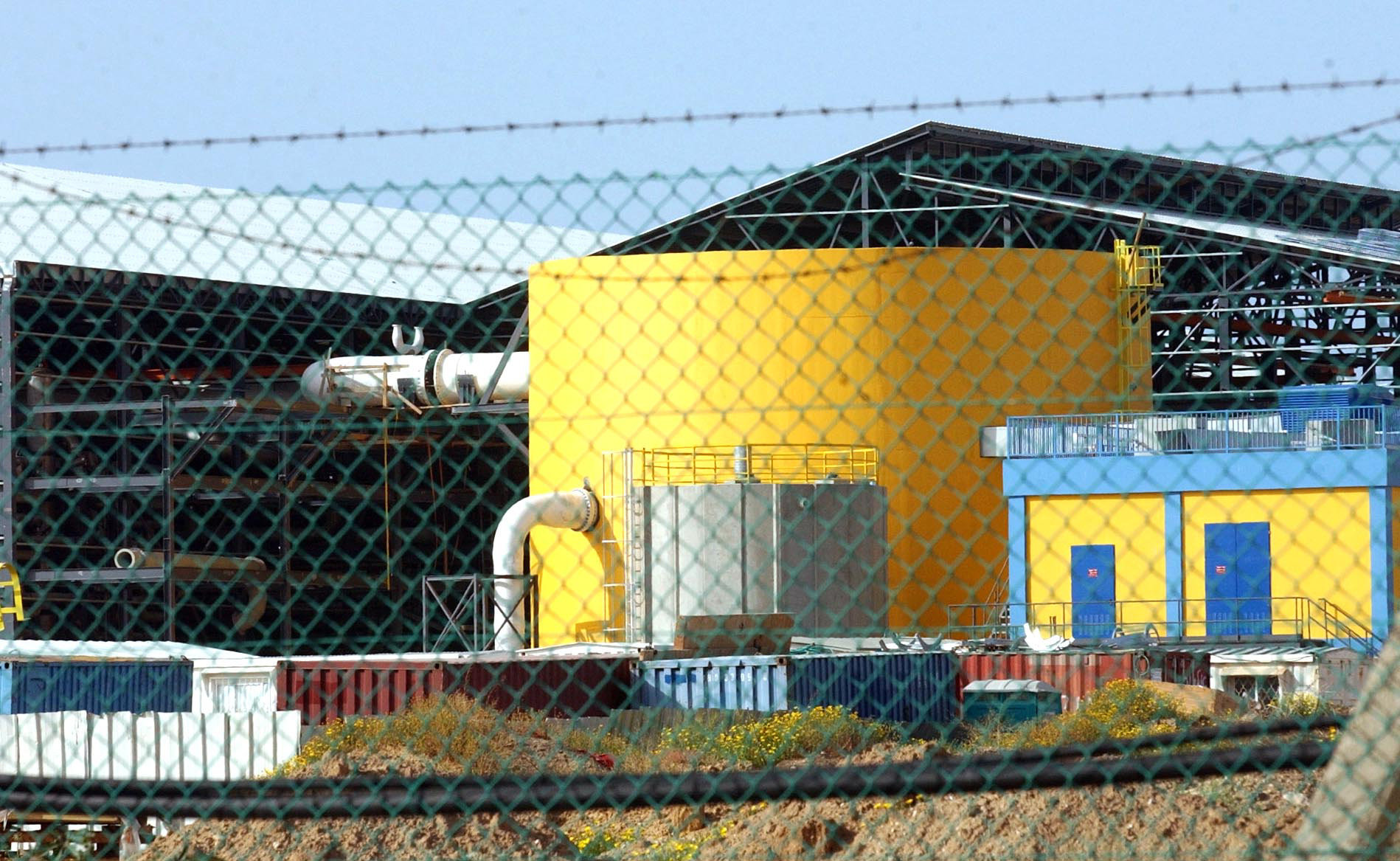
An undated photo of a desalination plant in Ashkelon, Israel. (Edi Israel/Flash90)
The Government approves a plan to upgrade Israel’s first desalination plant, established in 2005 in the southern coastal city of Ashkelon, and to increase its production from 120 million to 220 million cubic meters per year.
The plan provides for additional sources of power, generated by natural gas, and for a special water pipe to take the brine byproduct of desalination out to sea. To date, the brine has been diluted in the cooling water of an adjacent coal-fired power station.
The plan also earmarks an area in the Europe Asia Pipeline Company compound for an additional desalination facility to be built in the future.
US senator’s son accosts NY congressman with drunken antisemitic tirade — report

US Rep. Mike Lawler, of New York's 17th District, marches in the 2025 Israel Day Parade, on New York's Fifth Avenue, May 18, 2025. (Richard Drew/AP)
US Rep. Mike Lawler was accosted at a bar by US Senator Rand Paul’s drunk son, who peppered him with antisemitic invective, according to a report in the US publication NOTUS.
Lawler, whose district covers a heavily Jewish suburban New York area, is an outspoken supporter of Israel and opponent of antisemitism, but is not Jewish himself. Both he and Rand Paul, of Kentucky, are Republicans.
In an exchange at a Washington, DC, bar that was witnessed by Reese Gorman, a reporter for NOTUS, Rand Paul’s son William approached Lawler and said “your people” would be to blame if his favored candidate lost in a Kentucky congressional primary. William Paul then confirmed that he was referring to Jews.
When Lawler clarified that he wasn’t Jewish, Paul reportedly responded, “Oh wow, I’m so sorry for calling you a Jew.” Paul then went on to say that Jews were “anti-American” and more loyal to Israel than the US, according to the report. Lawler reportedly told him off for being antisemitic.
Paul also reportedly told Lawler that he “needs to watch more Tucker Carlson,” a reference to the far-right anti-Israel podcaster who has invited multiple antisemites onto his show. Paul also said he was “just really drunk,” according to the report.
In response, Paul writes on X, “I had too much to drink and said some things that don’t represent who I really am. I’m sorry and today I am seeking help for my drinking problem.”
The Kentucky congressional primary in question has seen a separate antisemitic incident. A prominent Jewish donor to Republican politicians is the target of an attack ad against Republican Ed Gallrein, who is running against Rep. Thomas Massie. The ad claims that Singer, 81, will bring his “trans madness to Kentucky.” It describes him as a “major pro-gay, pro-trans activist who works with far-left, hardcore Democrats,” and shows a Star of David overlaid with the rainbow Pride flag.
UAE denies that Netanyahu secretly visited country during Iran war
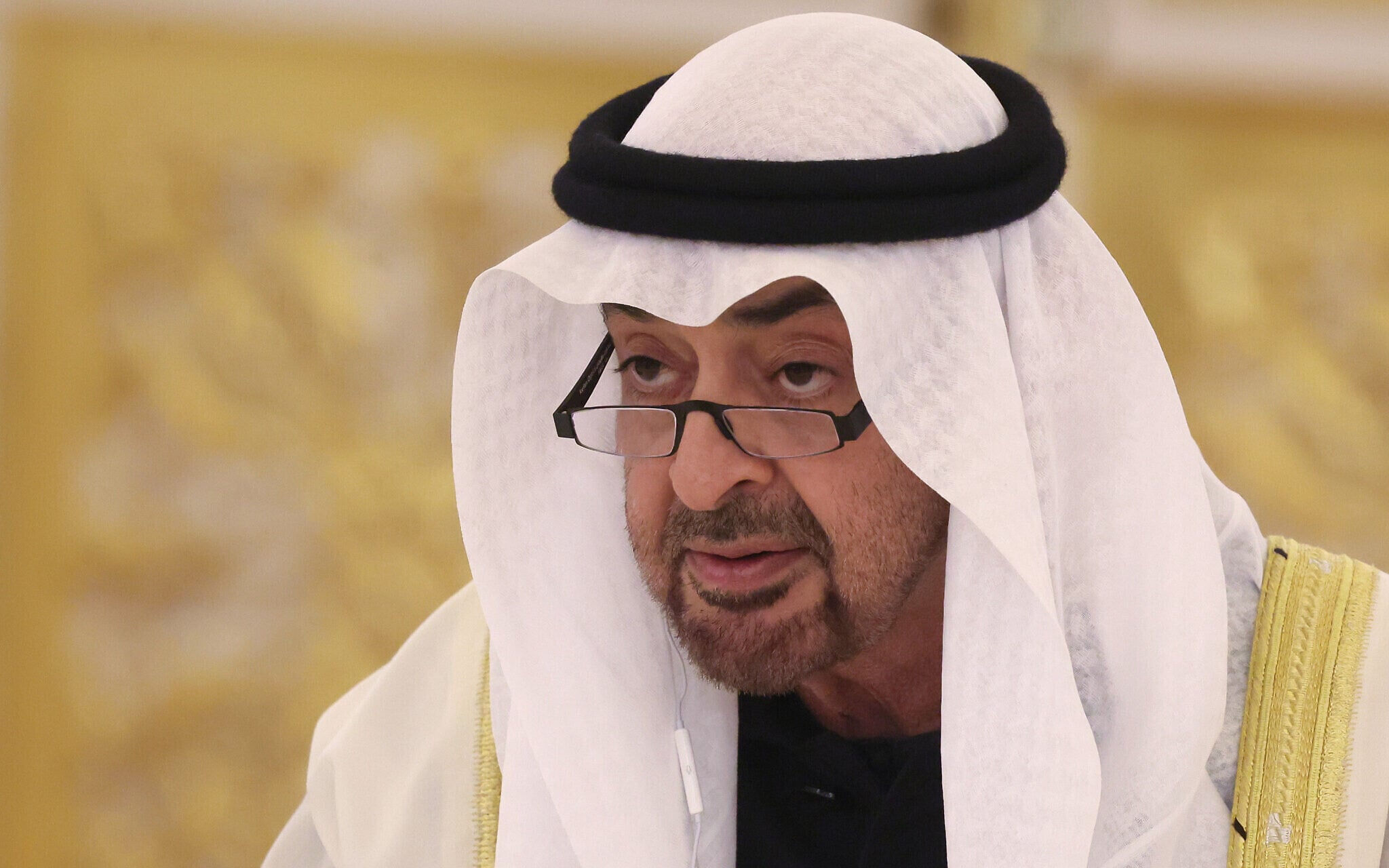
President of the United Arab Emirates, Sheikh Mohamed bin Zayed Al Nahyan speaks during his meeting with Russian President Vladimir Putin at the Grand Kremlin Palace in Moscow, January 29, 2026. (Maxim Shipenkov/Pool Photo via AP)
The United Arab Emirates foreign ministry denies a statement from Prime Minister Benjamin Netanyahu’s office that he secretly visited the UAE during the war against Iran, calling it “entirely unfounded.”
“The UAE reaffirms that its relations with Israel are public and conducted within the framework of the well-known and officially declared Abraham Accords, and are not based on non-transparent or unofficial arrangements,” it says in a statement. “Accordingly, any claims regarding unannounced visits or undisclosed arrangements are entirely unfounded unless officially announced by the relevant authorities in the UAE.”
“The UAE calls on media outlets to exercise accuracy and professionalism, and to refrain from circulating unverified information or promoting misleading political narratives,” adds the foreign ministry.


read more: